Stay In This World
The stories, the culture, the conversations. Every week.
No spam. No third parties. Just Unruly.
On the conversations African fathers and sons never learned to have.
Not long ago a friend said something to me, the way people say things that are actually quite serious. Casually. Almost as a joke. "Wetin we go talk besides ball?" He was describing his relationship with his father. The question was hung in our group chat for a moment and then someone laughed and then someone else said "same" and then the rest of them said same and I sat there reading the thread thinking about how much weight a throwaway comment can carry when enough people throw it away in the same direction.
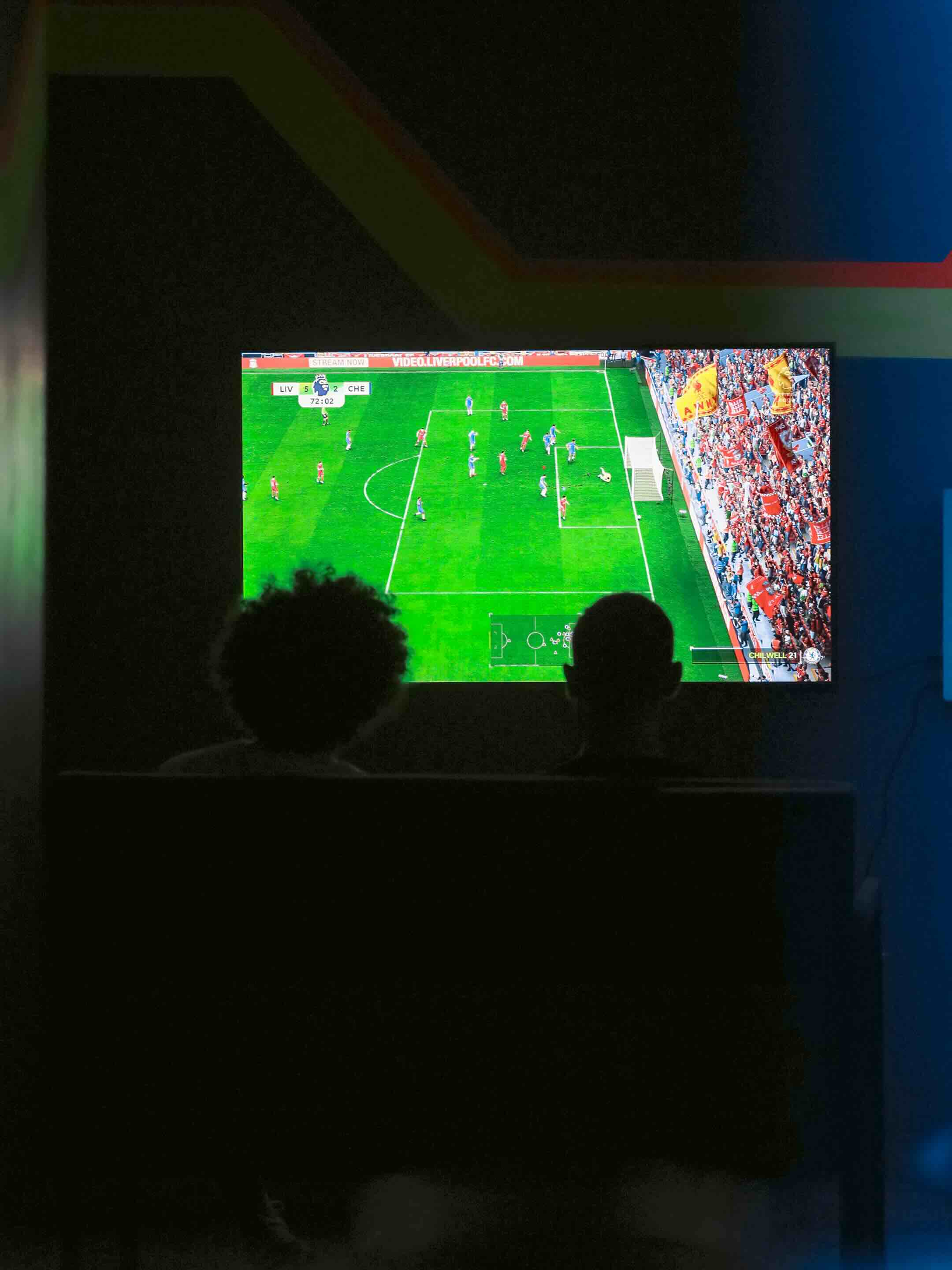
I put up a poll. The kind you run in a group chat when something is bothering you and you want to know if it is bothering anyone else. The results were not surprising in the way that things that confirm your fears are never really surprising. Most of them said yes. Football was the primary language between them and their fathers. The match was the occasion for conversation. Without it, there was not silence exactly, but something close to it. A presence that did not quite know how to become a relationship.
I want to be careful here because I am not against football. I love it with the specific and slightly embarrassing devotion that people reserve for things that got to them early. I am not arguing that the sport has done something wrong by being the thing that African fathers and sons reach for when they need to be in the same room together. I am asking what it means that it is sometimes the only thing. Karl Marx wrote that human beings are distinguished from other animals not by consciousness but by the fact that they produce their own means of subsistence. The act of producing something together is, in his framework, what makes us social. What binds us. I think about that when I think about the football match as a shared activity. Two people watching something happen, reacting together, producing between them the raw material of a relationship. The match is not just entertainment. It is a production. And in many African homes it is the primary factory where fathers and sons manufacture the thing they are too unequipped to build from scratch.

The question my friend was asking even if he did not know he was asking it — is what happens when the factory closes. When the son does not watch football or grows out of it or simply has a Sunday where he would rather do something else. What remains? What was being built all along, and is it strong enough to stand without the scaffolding?
There is a particular texture to emotional silence in African homes that I think is worth naming precisely because it is so rarely named. It is not hostility. It is not indifference. It is more like two people standing at a door neither of them knows how to open, waiting for someone to slide a key under it. Football is the key. It works. The door opens. They are inside the relationship, briefly, arguing about the starting lineup or who should have been substituted or sharing the particular grief of a last minute conceded goal. And then the match ends and the door closes again and they are back outside, in the familiar quiet, waiting for next weekend.
I do not think African fathers are uniquely emotionally unavailable. I think they inherited a language of closeness that was almost entirely non-verbal and activity-based, and they are passing it on in the only way they know. The father who watched football with his own father did not learn to say "I am proud of you" or "I was wrong" or "tell me what you are afraid of." He learned to sit beside someone and watch something together and let the watching be the love. That is not nothing. It is actually quite a lot. But it is also not everything, and the gap between what it is and what it needs to be is where a lot of quiet damage accumulates.
The worrying thing about the poll was not the number of people who said yes. It was the lightness with which they said it. The "same" that came quickly, almost reflexively, as if the deficit was so ordinary it had stopped registering as a deficit. We have normalised the football match as a sufficient substitute for emotional intimacy and I do not think we have fully reckoned with what that normalisation produces over time. Sons who do not know how to tell their fathers things. Fathers who do not know how to ask. Both of them waiting for Saturday.
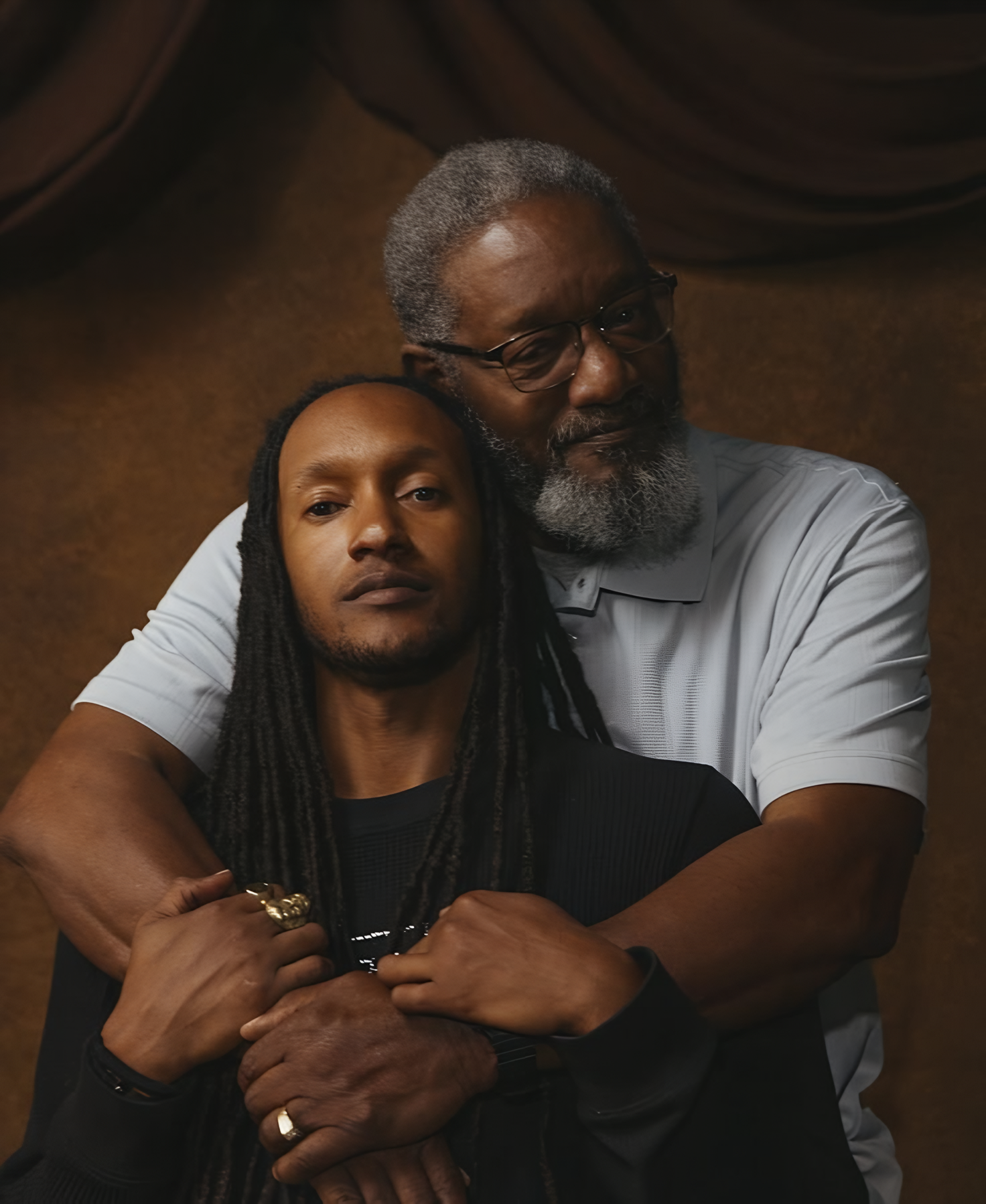
I am aware that the emotionally distant father who communicates through shared activities is not unique to Africa. But there is something about the specific conditions of African fatherhood, the colonial inheritance of stoicism as strength, the economic pressure that converts presence into provision, the cultural architecture that assigns emotional labour almost entirely to mothers, that makes the football match carry more weight here than it might elsewhere. It is not just a shared interest. It is load-bearing.
My friend's question deserves a serious answer. What do we talk about when we talk about football? We talk about everything we cannot otherwise say. We talk about pride without using the word. We talk about being together without admitting we need to be. We talk about fear — of the match being lost, of the season ending badly — in a register that keeps the real fears at a safe distance.
The match is a language. A limited one, but a real one. The problem is not that it exists. The problem is when it becomes the only one available. When a son switches off the television and a father does not know what to do with his hands. When the final whistle blows and both of them reach for their phones because the silence on the other side of the game is a place neither of them has learned to live in. Without the match, what are we? That is the question. And the answer, I think, is that we are two people who were never given the words and are now old enough to notice the absence. Which is not a comfortable place to be. But it might be the necessary starting point for something better than ninety minutes and injury time and the hope that next week's fixture will do what this week's almost did. The door is still there. The key does not have to be football. That is all I am saying. It just has to be something.