Stay In This World
The stories, the culture, the conversations. Every week.
No spam. No third parties. Just Unruly.
Inside the visual world of Mayowa Lawal and the ideas shaping his work.
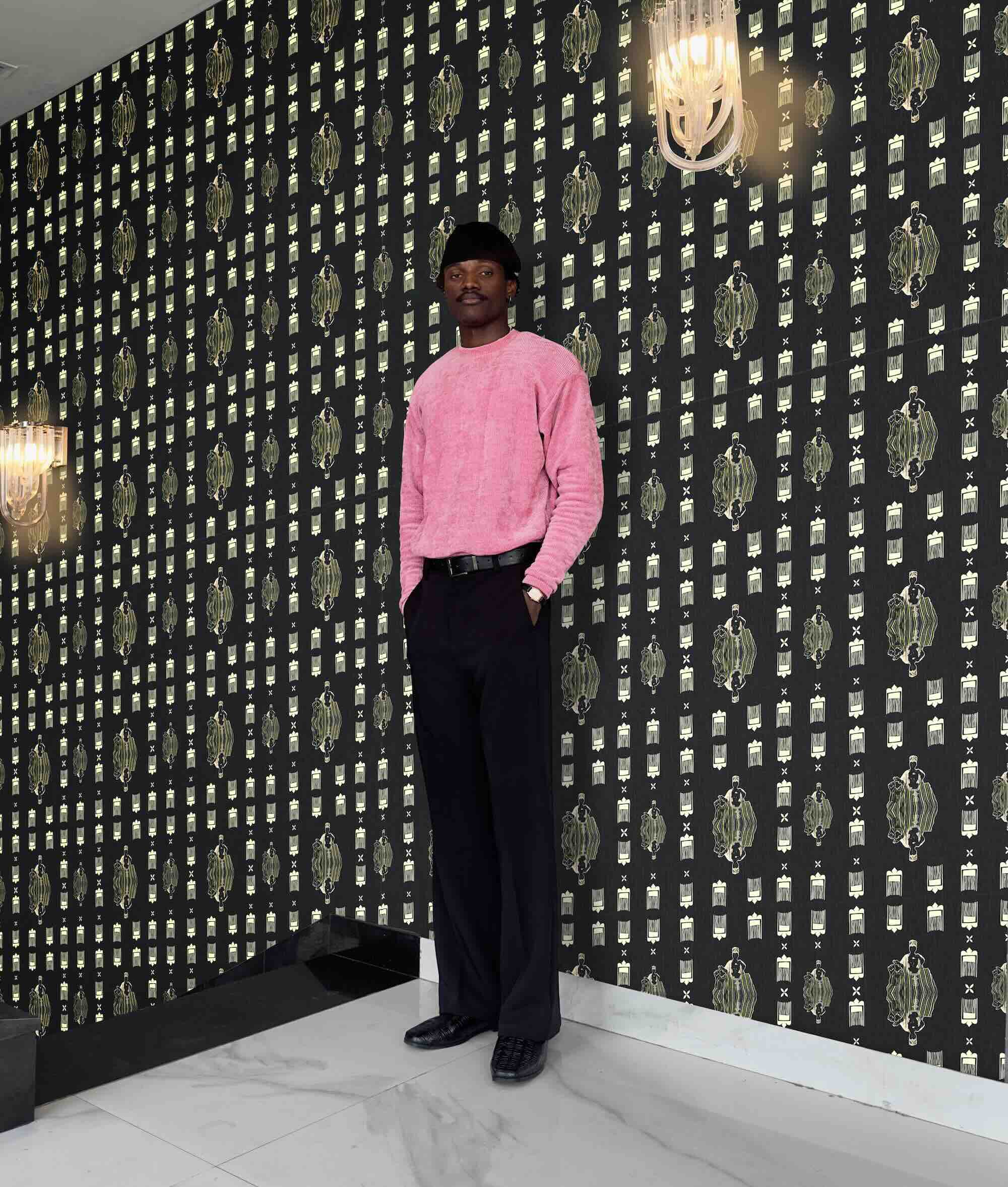
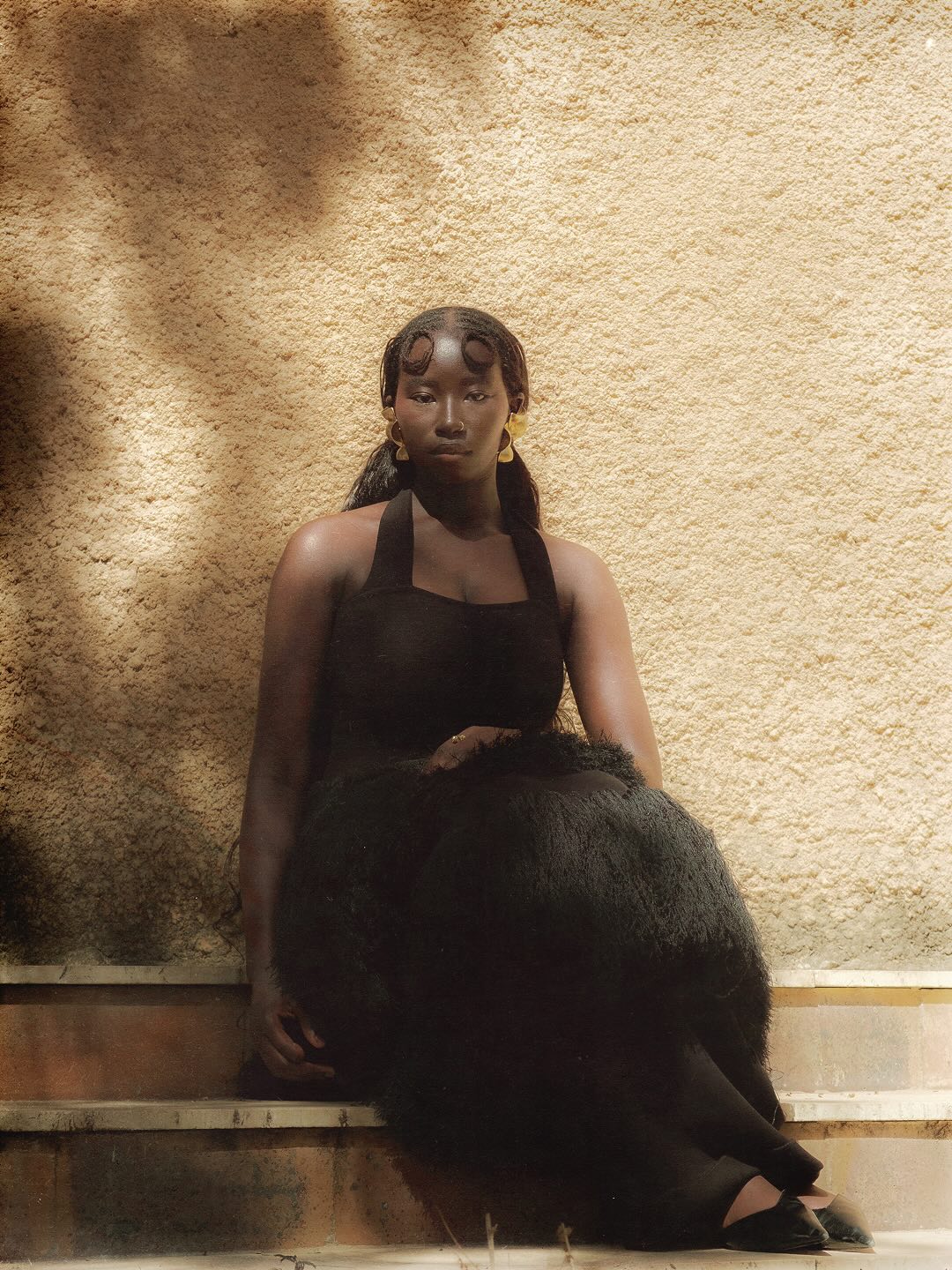
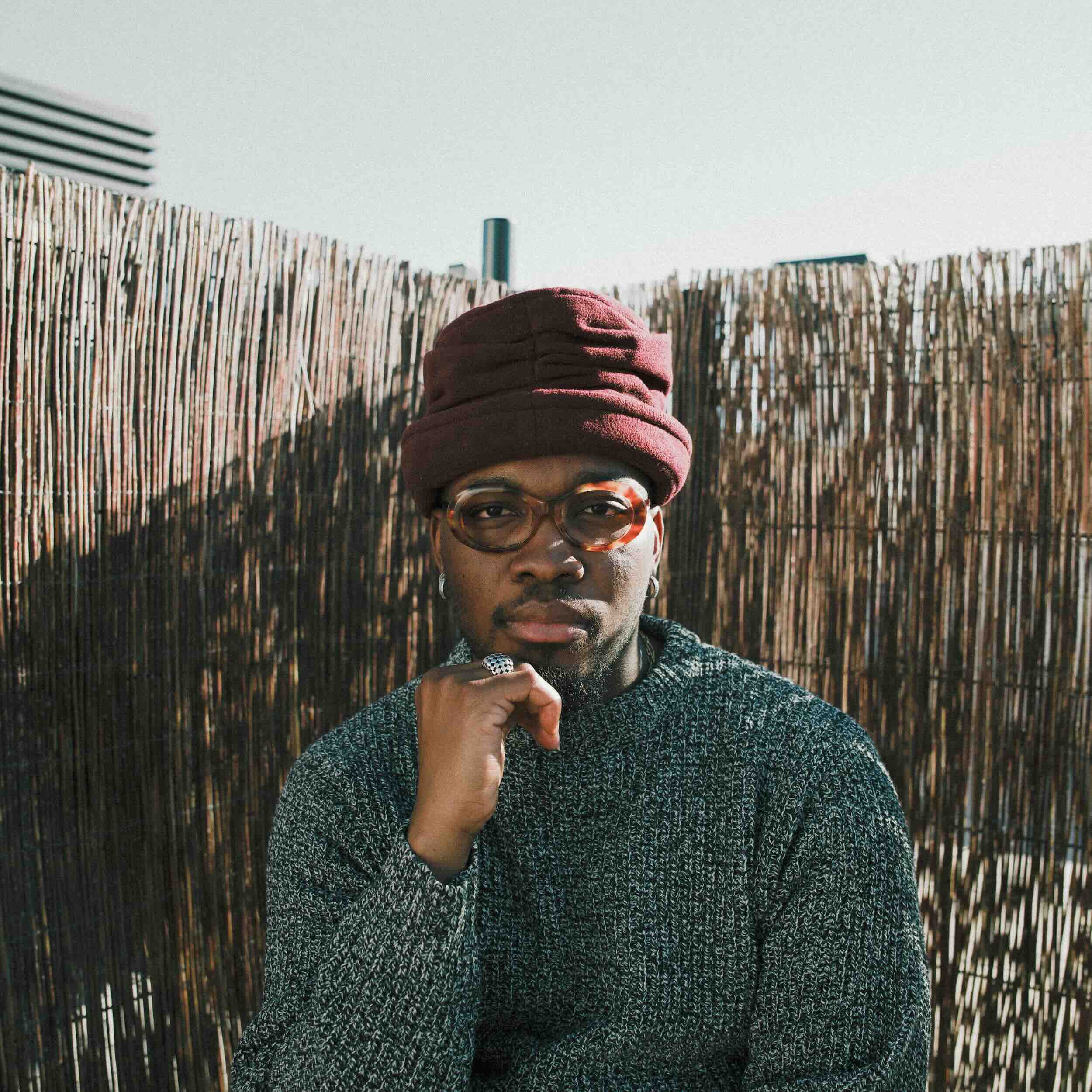
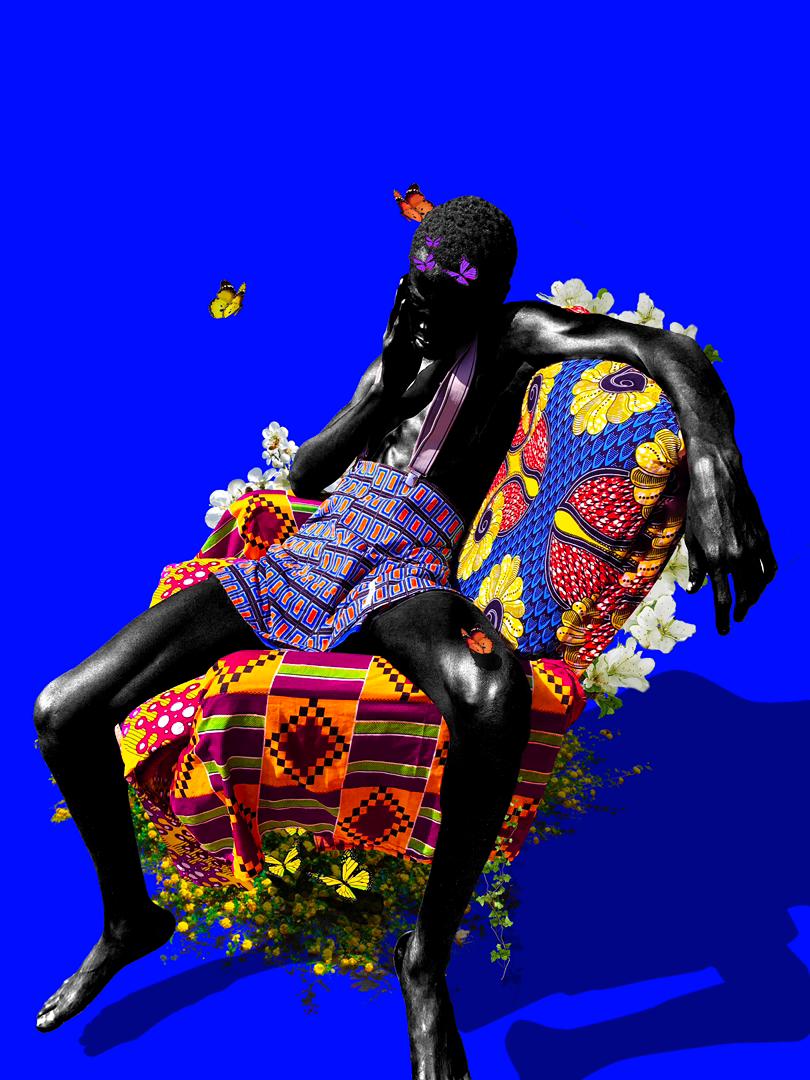
Mayowa Lawal is a photographer whose work doesn't reveal itself all at once. Through deep shadows, rich Ankara fabrics, and carefully constructed compositions, he creates images that often leave people wondering and in awe.
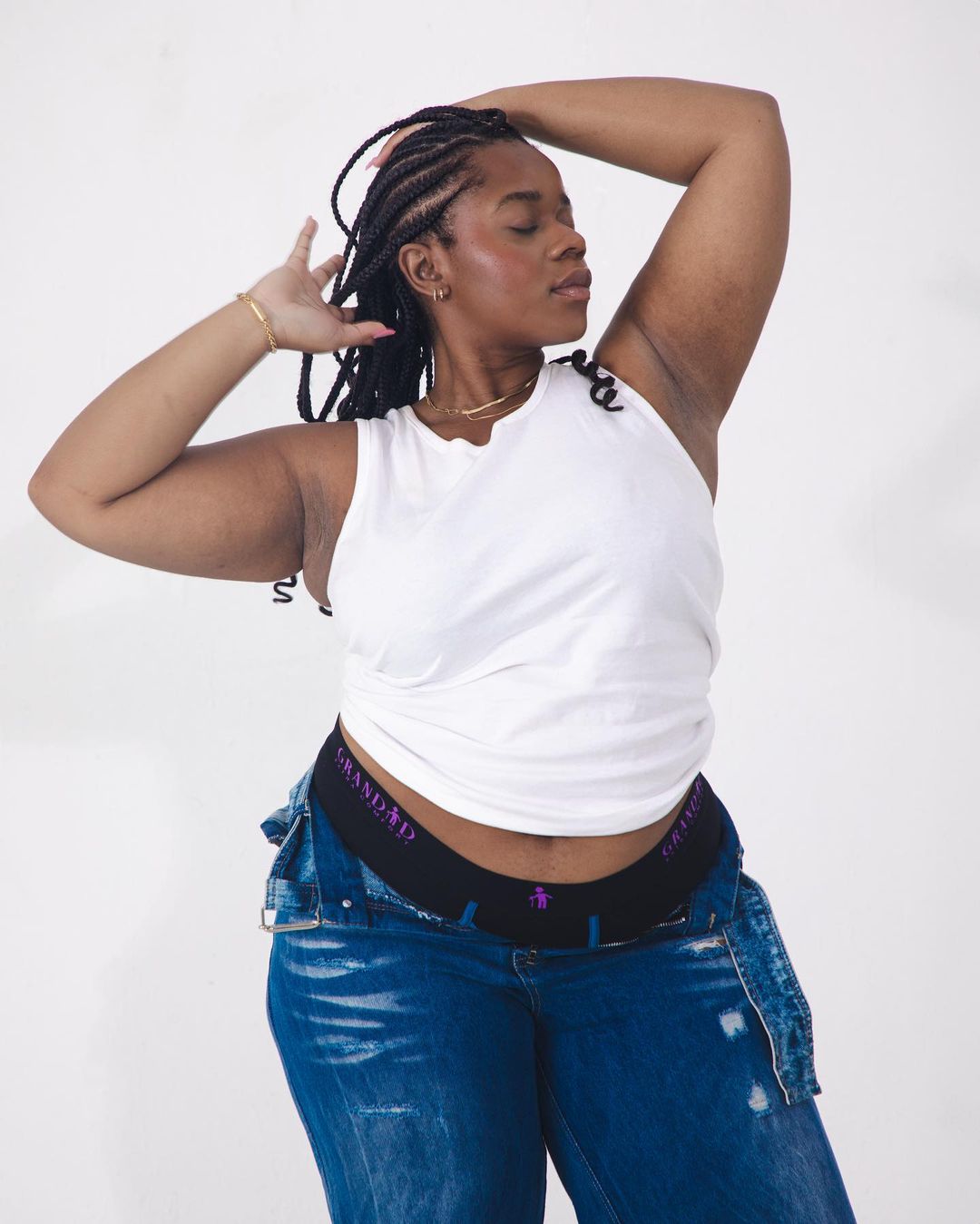
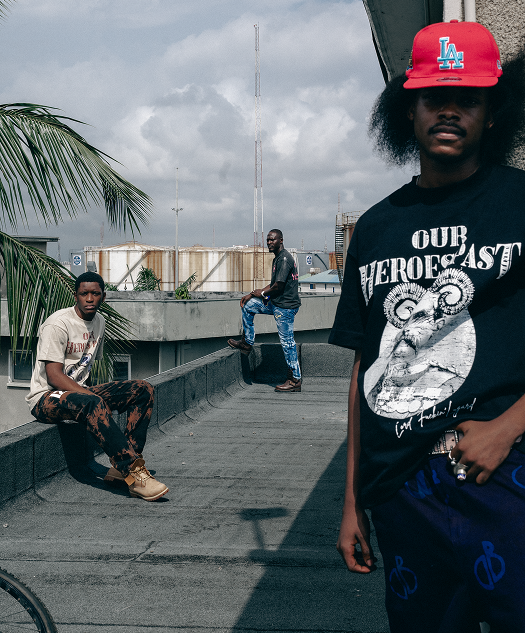
Growing up around textiles sold by his mother and inspired by the culture around him, Mayowa has developed a visual language that’s entirely his. That same blend of heritage, creativity, and instinct also shapes BROTHERSLAWEE, the cultural project and fashion brand he co-founded with his brother. Together, they are exploring what they call "The New Culture" — a space where young African creatives stop asking for permission and start defining their own narratives. For Mayowa, international nods from the likes of Vogue and Apple are fine milestones, but the real endgame is creative sovereignty.
In this conversation, Mayowa talks about the ideas behind his work, building alongside family, and why creating your own world matters just as much as creating great art.
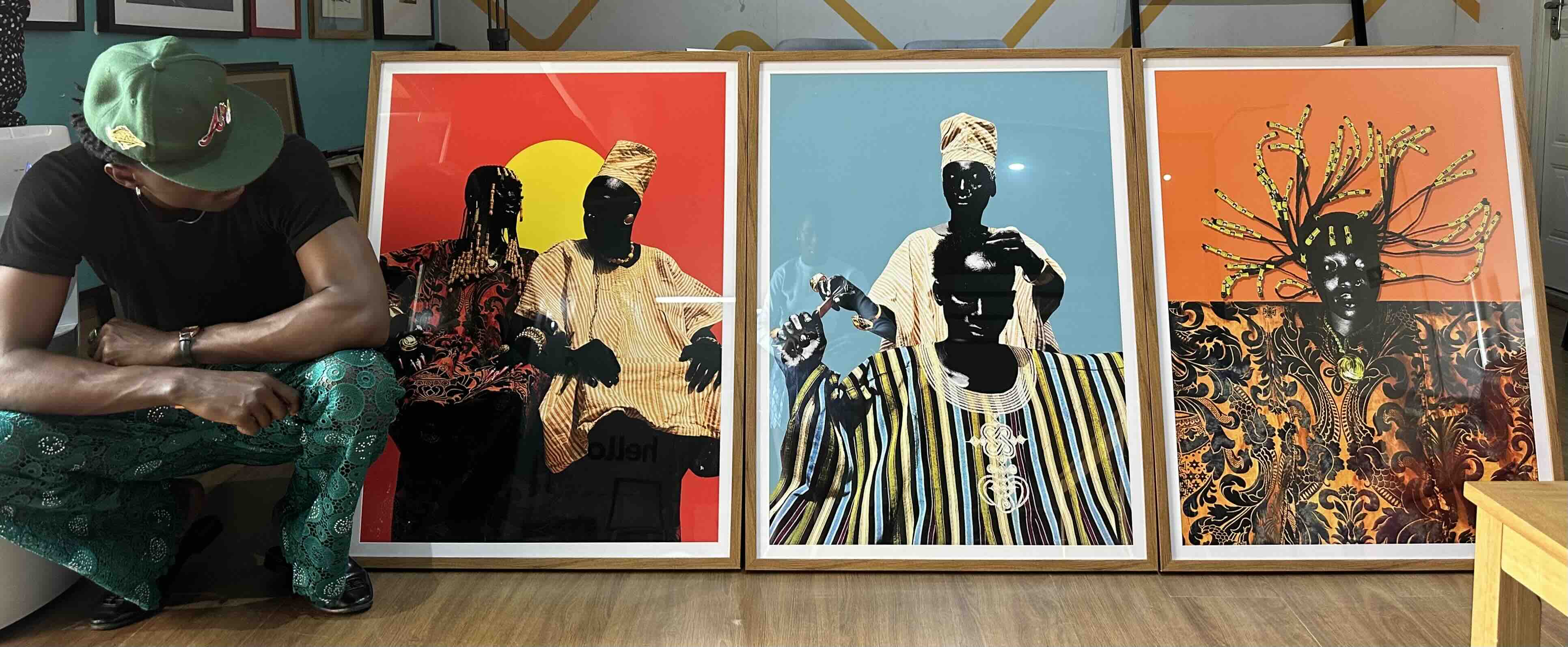
I don't think I ever completely switch off from creating. Even when I'm not making photographs, I'm noticing things. It could be a conversation, a football match, a film, a colour combination from someone walking on the streets of Lagos, or the way a fabric seller arranges textiles in a market.
Outside of art, I'm actually quite simple. I enjoy gaming, watching anime, spending time with friends and family, and having long conversations about ideas. A lot of my life now is also dedicated to building BROTHERSLAWEE alongside my brothers. So even when I'm not creating artwork, I'm thinking about how we can build something that contributes meaningfully to the creative landscape.
Colour excites me. Fabric excites me. Ideas excite me. And I love the feeling of excitement—a lot! Football excites me too. I genuinely love watching my team, Barcelona, play. There's something beautiful about creativity existing within a structure. A lot of the things I admire in art, I also admire in football: intuition, confidence, timing, and individuality.
And honestly, people excite me. I enjoy meeting people who are passionate about something. It doesn't matter whether they're artists, designers, traders, or entrepreneurs; you can learn a lot from people who genuinely care about what they do.
I am a big fan of architecture, art, technology, and football, as I mentioned earlier. I studied Computer Science, and although my career moved towards art, my love for tech-related stuff is everlasting. Technology taught me how systems work, how ideas connect, and how to approach problems creatively. I think it still influences how I build projects today.
I also spend a lot of time studying architecture and watching documentaries on homes that are inspired by and rooted in heritage. Not just African culture, but how people across different parts of the world use traditions to express identity. I deeply respect and admire the relationship between tradition and modernity—how people combine both worlds to form a unique creation. It's something I think about far more than people would probably expect.
I have learnt to stop forcing it. Creativity doesn't respond well to pressure.
My family, my friends, my people, and my environment. No matter where the work travels, my foundation remains the same. I have two brothers—one who is into art as well, and we built a cultural fashion brand together. We challenge each other, support each other, and constantly push each other to grow.
Lagos keeps me grounded, too. It's impossible for me to separate myself from this city. So much of how I see colour, diversity, and culture comes from growing up here.
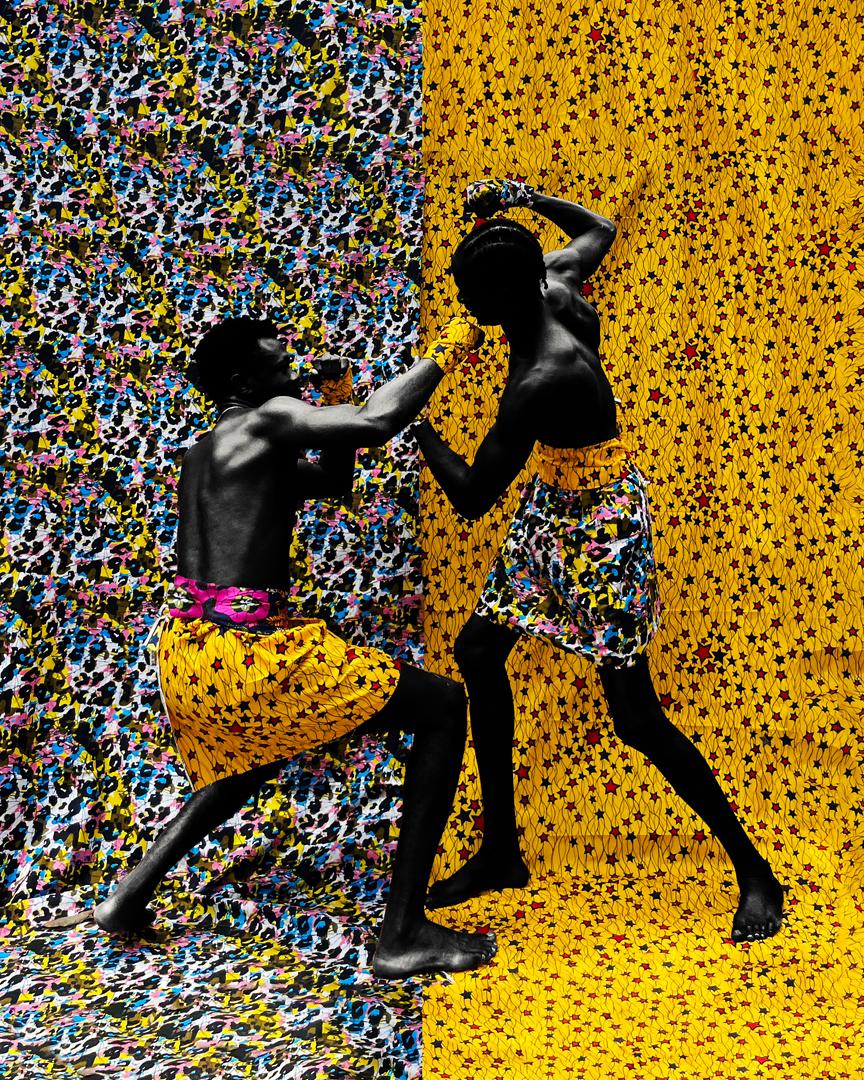
I don’t have a direct answer to this. The end products of my creations are basically the result of the world that influences my visual approach. I see something, and I make sure to replicate that vision in the closest way possible.
I was surrounded by Ankara fabrics because my mother sold them, and I also come from a hometown where a colourful festival like the Ojude Oba takes place. Colour and pattern became part of my visual language long before my artistic practice. At the same time, I wanted to create images that felt closer to the worlds I imagined. Photography became the tool, but the goal was always larger than photography itself.
I think I became interested in how the human body could disappear into darkness while the fabrics and the world around the figures carried the narrative forward. That's when the work began developing its own visual language. A lot of people describe the images as paintings, and I understand why. I think it's because I'm not approaching photography as documentation; I'm approaching it in my own way.
The name resonated with me because it spoke about adornment, beauty, and expression, which are all things that exist within my work. But beyond aesthetics, Ankara represents a lot culturally. It's a fabric that has traveled across generations, countries, and communities. It carries stories, heritage, memory, movement, and identity. The fabric is still central to my work, but now I see it as a language
It started off as an intuition. When I reduce the body into deep shadows and allow the fabrics to emerge, something interesting happens. That's the space I enjoy working within.
The relationship came first. My brother and I have always influenced each other creatively. We grew up in the same environment, shared references, shared experiences, and developed a lot of our taste together. BROTHERSLAWEE came from something natural. We already saw the world in a similar way, and the name simply gave structure to something that already existed.
I believe now that BROTHERSLAWEE is bigger than either of us individually. It's becoming a movement where art, fashion, culture, and storytelling can meet, contributing to a broader cultural conversation. We call it “THE NEW CULTURE.”
Definitely both. Sharing similar tastes has made things way easier in our everyday lives, and it also has its tension disadvantages to it too.
It's always an honour when work travels. As an artist working from Lagos, there's something powerful about creating something from my home and seeing it resonate internationally. It reminds you that stories can come from anywhere.
For me, success is becoming increasingly connected to what I am building through my art and BROTHERSLAWEE. Of course, there are institutions, exhibitions, and collaborations that would be incredible to experience, but I don't think a single moment defines success. I'd love to see BROTHERSLAWEE become a cultural institution.
I think I’m doing both. Everything I create comes from somewhere, so in that sense, I'm constantly responding to culture. But at the same time, every body of work is an attempt to contribute something back.
Ownership means having the ability to define yourself before someone else does that for you. It means owning your narrative, your freedom to create, owning the intellectual property, owning the platforms, and owning the future of what I'm building. That's something I think about often, both as an artist and as a founder.
The New Culture is not about replacing culture; it's about continuing it. It’s about merging the old and the new, bridging tradition and modernity. The most exciting things often happen when both worlds meet, and BROTHERSLAWEE is in that space.
We're inspired by heritage, and we're interested in allowing it to evolve, breathe, and exist within contemporary life. The New Culture is what happens when young people become active participants in shaping how culture looks today, rather than simply inheriting it. It's art, fashion, music, storytelling, community, and innovation.
Most importantly, it's ownership. It's the confidence to create from where we are, rather than constantly seeking permission from somewhere else.
Wonder. I want people to pause and feel curiosity. And if someone walks away feeling a stronger connection to culture, identity, imagination, or even themselves, then the work has done what it was meant to do.
I hope it encourages people to trust their instincts and build from their own experiences rather than chasing someone else's blueprint. And through BROTHERSLAWEE, I hope to leave behind something that continues creating opportunities long after me. The dream is to build worlds.