Stay In This World
The stories, the culture, the conversations. Every week.
No spam. No third parties. Just Unruly.
What fifteen years of instinct cost her, and what she's choosing instead.

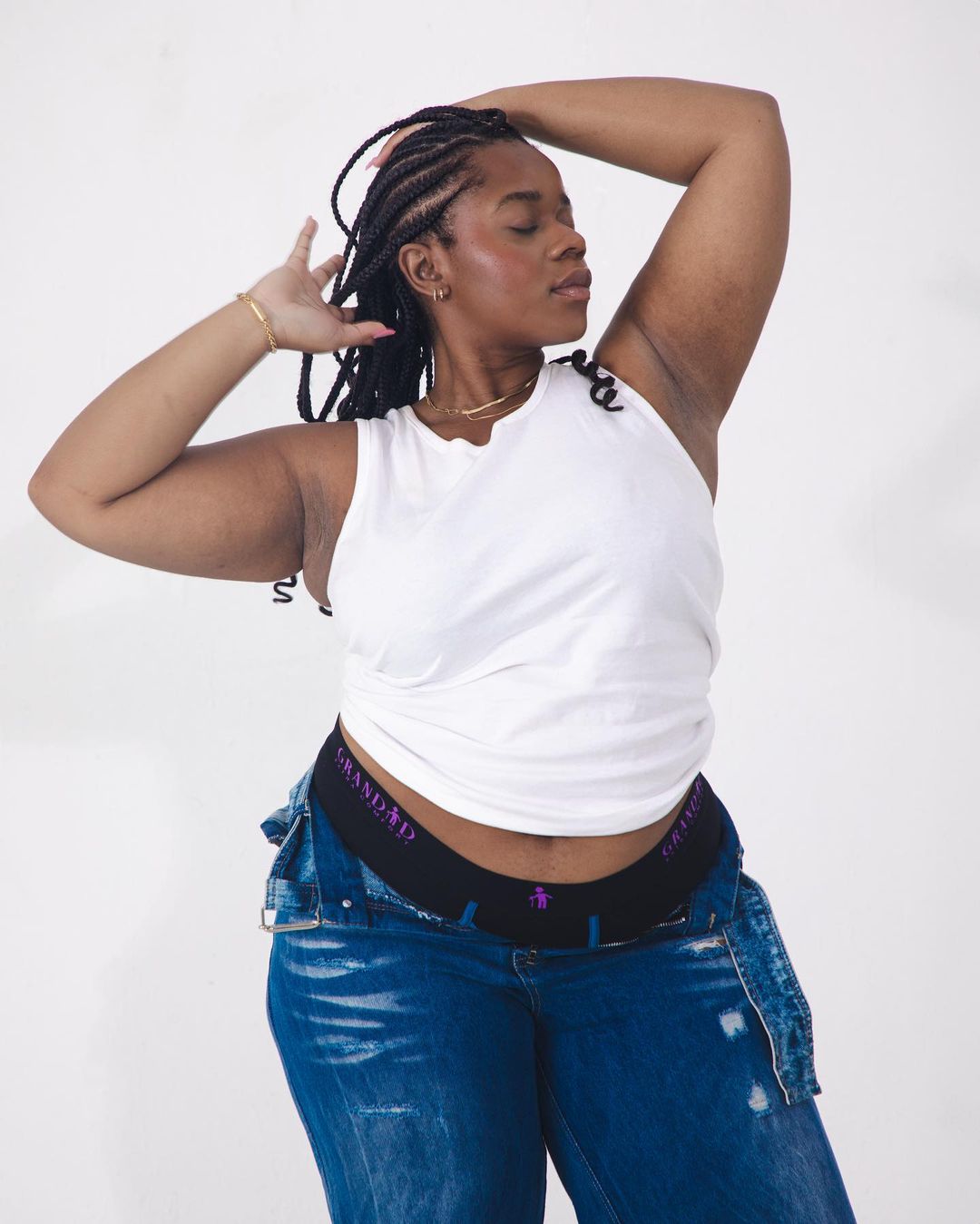
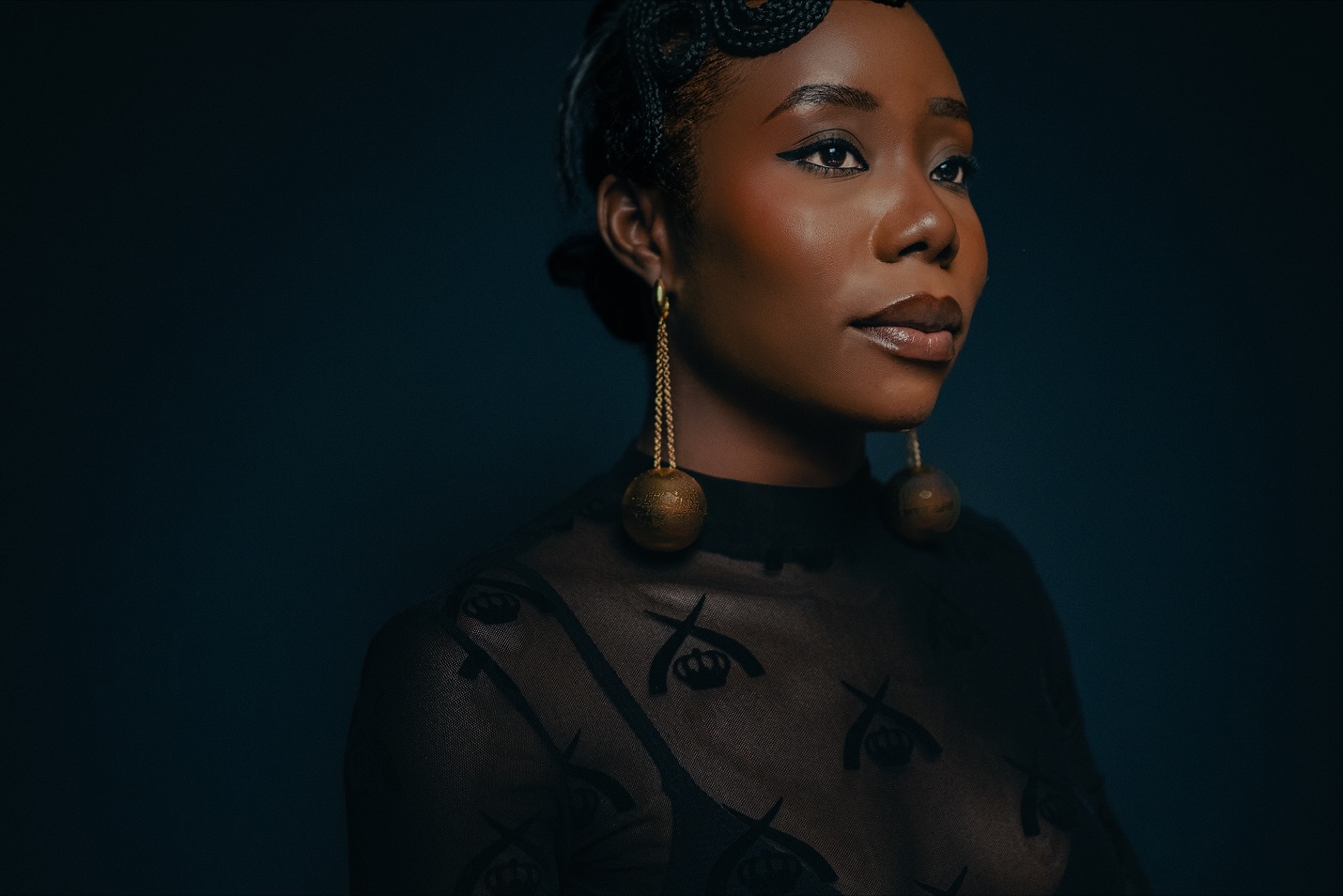
Flo Ngala has built one of the most remarkable photography careers of her generation without planning to. She started in Harlem at thirteen with a camera for school. At twenty-two, she was the personal photographer to a global music star. By 2022, she was shooting the Met Gala for Vogue as the first Black woman they invited to do so.

In a recent conversation with her, what struck me was not just the career she’s built. It is how clearly she sees what it costs, and how differently she is thinking about what comes next.
She spoke about her twenties. How she landed high profile opportunities long before getting mentorship or leadership structures that would’ve helped her understand what to do with said opportunities. She went with the flow. “It was sort of hard to take a stake in who I was and define myself,” she says, not blaming anyone for it. “I do wish I did a bit more to protect my energy and to ground myself. When I was younger, I just didn’t really understand how important that stuff was.” Now, she’s thinking about the next ten years differently.

The thing that makes Flo’s work recognizable across various contexts is not a subject or a theme. Her work spans editorial, documentary, portraiture, and community. When I asked her what connects them, she spoke about her craft.
“I think the through line for me is very technical. I love the groundedness of contrast, composition, tone, texture. People have told me they can see the consistency in my style of shooting, which I really appreciate because I feel like it’s the same filter and the same lens ultimately that is finishing the image.”
The proximity of her images is also something she’s known for, and she talks about where that comes from. She is, by her own description, a recovering people pleaser. She loves to ask her guests about themselves, their families, their day and is genuinely curious about the person in front of her. That desire to make people feel comfortable, to over-communicate and put them at ease, shows up in her work. This is not a learned technique, but truly who she is at her core, and it shows up in the work whether she intends to or not.
“It is one of the few practices that allow you to get that connected to someone, even if its for a bit of little time.”
She learned to photograph other people by first photographing herself, understanding how a camera sees, by first turning it on herself, before she turned it anyone else.

That instinct to look closely at people who looked like her didn’t start as a statement, but as a contrast. Flo spent her teenage years moving between two worlds that barely touched. A predominantly white private school by day, and then Harlem by night. The subjects that intrigued her were the ones she saw on her commute home via train, not the ones in her classroom. “I never really defaulted to capturing those subjects,” she says of the white kids around her in school, “unless maybe it was a model, where I’m intrigued by their beauty, or a certain celebrity subject, where I’m intrigued by their success”. Her first major shoot, at twenty one, was in Senegal, working for an international designer.
“Being able to lens melanated people, people from the diaspora, just sort of informed the richness and the depth of my interest”
Flo’s parents are Nigerian and Cameroonian. She describes herself as someone who sees things frankly, and does not sugarcoat. That same instinct, is what led her to turn her lens to what was true to her rather than what was simply available.

It was harder for her to talk about the costs of her career. “The hardest thing to protect has been my spirit”, she says. She grew up spiritually rooted, and says she is only now building her own relationship with spirituality, separate from how she was raised. The turbulence she described, was not to be dramatic, but the particular confusion of being young, talented, and in demand, without anyone around to teach her how to deal with all of it. But she’s also fair to herself, understanding that she was young, in her twenties, and she was simply figuring things out in real time. But it cost her, and she described it as a boomerang effect, like a whiplash. Decisions made hastily, in a life moving fast.
Now, she’s decided to look at things differently, seeing endless pathways and possibilities. She talks about starting a production company, a modeling agency, a book, and prioritizing ownership over her ideas that till now, she’s only ever made for other people and not for herself. In the same breath, she also is open to the opposite direction: going in-house somewhere, slowing down, learning skills she never got to explore. “It doesn’t mean I have to be this forever”, she says. “It doesn’t mean I have to tie myself to this one version of me for the rest of my life”. Fifteen years after she first picked up a camera for a school assignment, Flo Ngala is no longer reacting to what’s in front of her. Rather, she’s deciding on her own terms, what she wants the next image to look like.