Stay In This World
The stories, the culture, the conversations. Every week.
No spam. No third parties. Just Unruly.
A sculptural practice built on the act of holding.
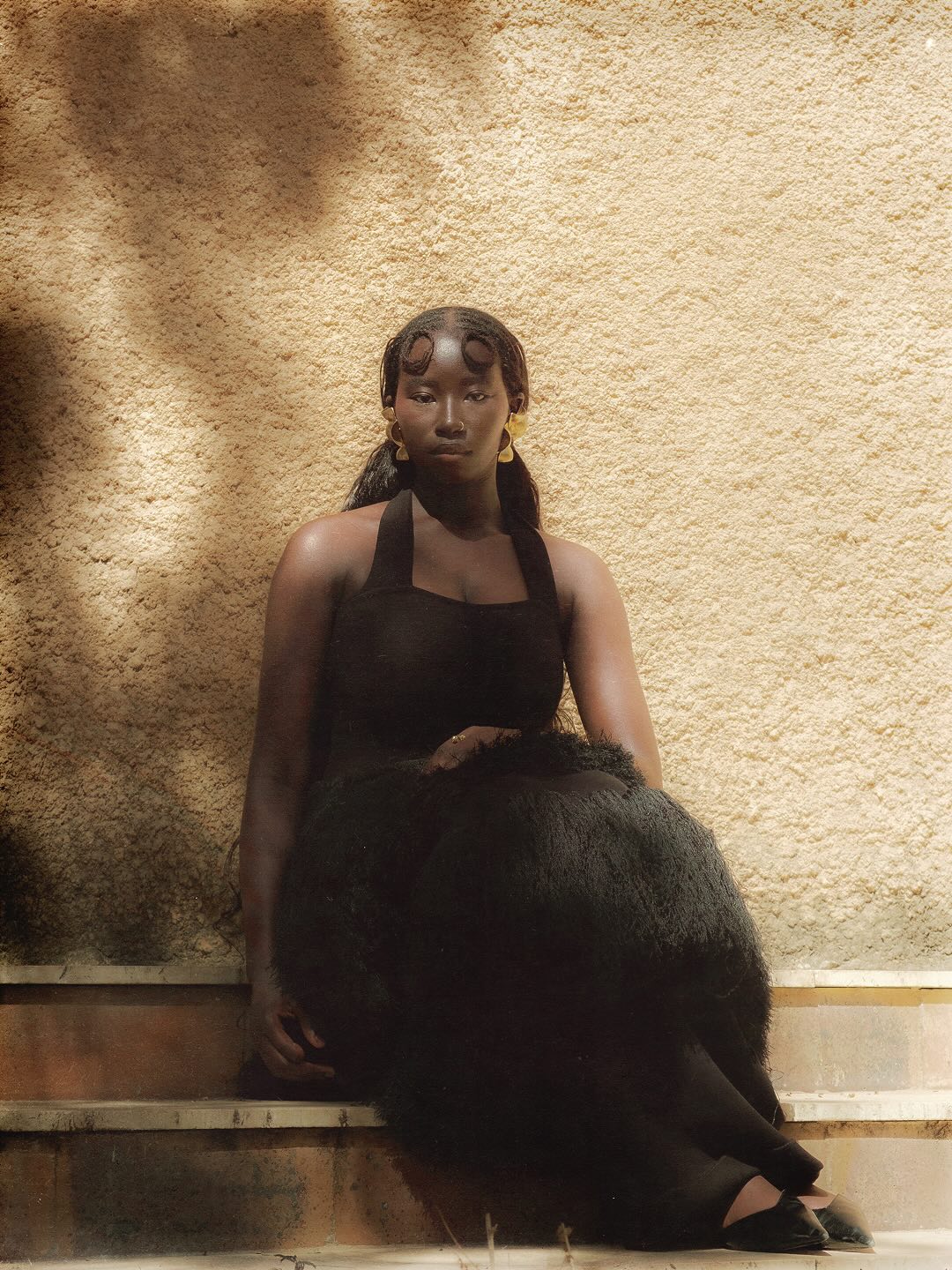
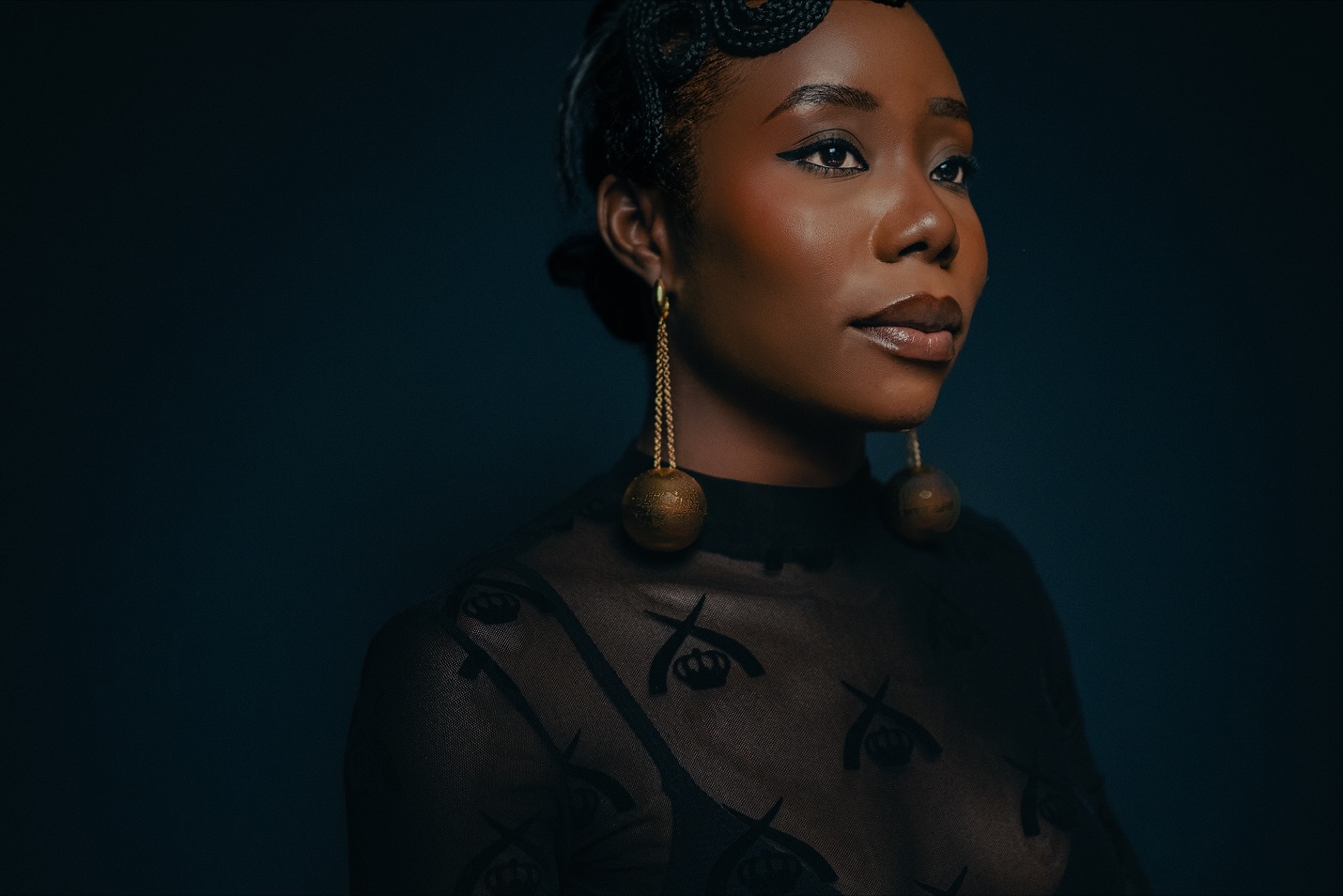
Deeply anchored in a sculptural practice built on holding and reflecting, Aminata Mboup is welcoming what her work wants to be. She does not see this as a crisis to rush through. It is, by her own description, the point.
Born and raised in Dakar and now based in Toronto, Mboup is a sculptor and craft designer whose practice has spent the past season in a particular kind of stillness. Something closer to deep listening, incubation. There is a lot of research, a lot of readings, a lot of what she calls exploration of ancient forms, trying to understand how structure was manifested in the past so she can understand how to manifest her own emotions in the present. On a constant mandate to reflect her times.
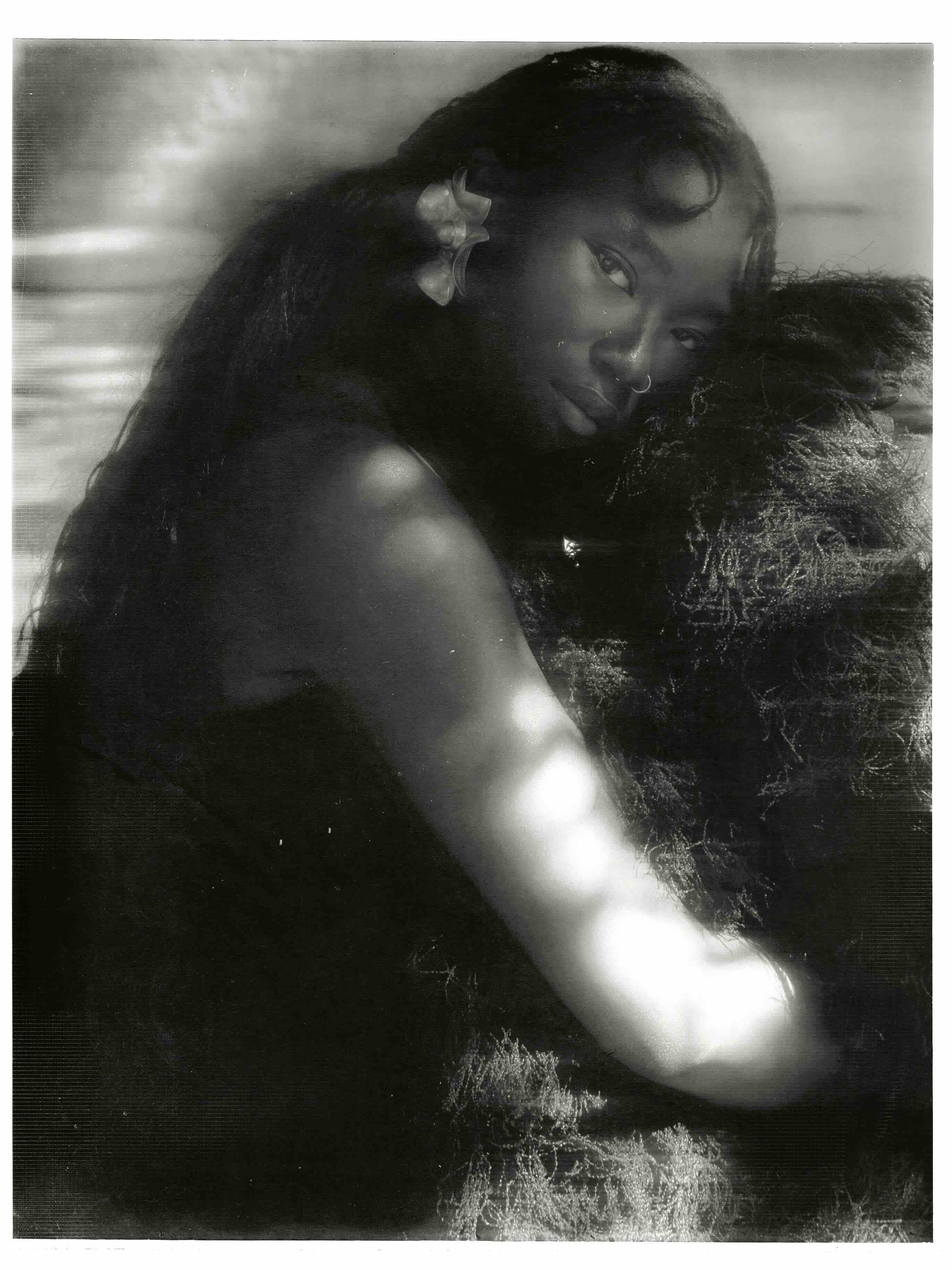
On her desk and around her studio, she keeps what she describes as her garden of forms, miniatures of shapes that have caught her attention, fish bones, chairs, vases, characters from animated films she has watched, even her own snow boots. She replicates them on a smaller scale, to experience the intimacy of proximity. Studying every fact and minute detail to understand what and who they are. A dialogue.
"I get intrigued by forms around me," she says, "I make miniatures of them and I replicate them so I can understand who they are and intimately know what it would feel like to commit to translating that language to bigger scales, while going deeper into myself."
This is where you find her first in her practice, in silence, late in the night. Not rushing to arrive at a particular destination, but learning the terrain. In the past year she has produced three large scale sculptural pieces, exhibited, and collaborated with Maison Margiela, University of Toronto's Hart House, Prada Beauty, Re.stance Collective, The Textile Museum of Canada, and engaged in an editorial interior design research residency over the summer with Vida Lenta, bringing her visual language to institutions and brands across culture, art and fashion. She has also spent 345 hours casting concrete, weaving metal and melting pieces together for a single sculptural piece. But ultimately the work she is most interested in is the quieter kind, the research and the replication, the garden of small things that nobody else sees. The required repetition necessary to build anything durable. Form, she says, is a manifestation of our times. Understanding what it has looked like before is how she understands what it needs to look like later.
The name IYEKETI comes from Wolof, her native language, spoken in Senegal. It means to feel uplifted. Originally a simple Instagram handle, chosen after she left a friendship that had been doing the opposite, one she describes as suffocating. Coming out of it, she wanted to feel that her life could move forward. That she could take up space and feel righteous doing so.
The desire to take up space was not a simple one. She grew up in Dakar navigating what she describes as conflicting realities, being deeply rooted in the loving of her home and culture, while struggling with colourism that felt indissociable from it.
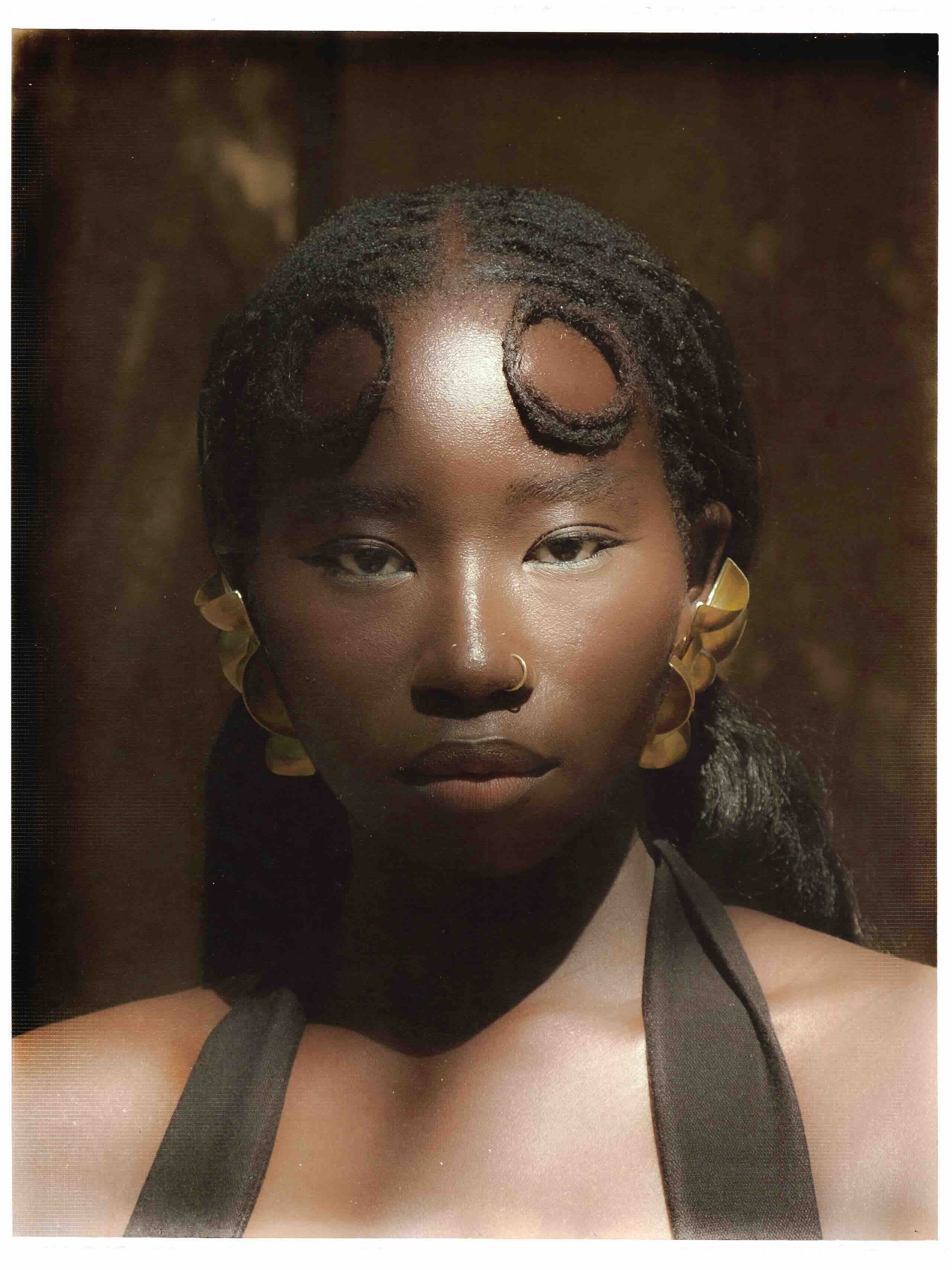
"The way we approach darker skin tones as a whole throughout the world," she says, "whether it be on the African continent, in Asia and South America, there's this understanding that the darker you are, the more brutality there is in your presence, the more force, the more aggression. And so you are less deserving of compassion. Less deserving of pity and softness. You can be, and will be manifested by those around you as a vessel that can receive more pain without having the right to shatter."
To shift the narrative for herself, she had to first understand that her humanity was not a negotiable form. That decision became her practice. "In the same way that I wanted to take up space, I came up with this philosophy for the dignity of the self for everything and all, reinforced by the fact that we all feel and have a rightful calling to exercise our emotions and shape the world from them, and it became my art practice." It was also the moment she began her training with ceramics, which naturally led her into sculptural form. Over time, others started referring to IYEKETI not just as her handle or her studio, but as her creative house, something that embodied not only her art practice and philosophy, but the way she manifests herself into the world. She has since embraced the term. It fits. It is fluid, she says, in the same way that she is fluent. A vessel and house that is still becoming, alongside its maker.
The vessel is something that keeps returning. It appears across her collections, across her materials, across the way she talks about what making actually is for her. It is not a stylistic preference. It is a philosophy.
"Historically," she explains, "vessels have always been made to receive and to hold something before redistributing it. Across cultures and across time, statues were built to represent gods, to hold nature, to carry the memory of ancestors, people who used to exist and are now venerated. Vessels are a way to hold our realities. And the same way that form is the manifestation of it, vessels are the way to hold it." They hold history. They hold understanding. A shape from the past, examined closely enough, reveals what the people who made it needed, where they felt lacking, what they were asking the divine in themselves to give them.
But for Aminata, the vessel is not only an object she makes. It is what she is. "I myself am a vessel at the end of the day," she says. "I hold many things within me and I am also growing and reflecting reality through who I become and my choices. I was raised, and always still am, to hold certain things within me by those who love me." She receives songs, photographs, laughter, jokes, her grandmother's way of doing foudeune (henna). Occasionally others see it and do it too, nothing belongs to her, she simply mirrors them. She retells the joke, she shares the song. She applies the foudeune paste, remanifesting the story again in her own language, to be received and retold, again and again as the cycle of our collective stories weave into each other.
"Vessels are a reflection of ourselves," she says, "in the ways that we become, transport, share energies and emotions, we kind of archive ourselves for future stories."
This is why, even though a vessel is solid and grounded and does not move, she believes it is a conveyor, moving energies quite often. A conduit. What she puts into it, others can receive, and what they bring to it, they can hold for themselves and perhaps remanifest in their own ways. The vessel does not close around its contents. It offers them outward.
She also makes a distinction between what sculpture can hold and what other forms of expression cannot. Everything, she says, is sculptural. The way she dresses, the way she ties her hair, the shape of a building she passes on the street. All of it is information, three-dimensional and felt. "If I can see it from different angles, it also means that I can touch it," she says. "It evokes more senses, not just in my eyes, but my hands, skin, whole body moving forward to take it in better." In a moment when so much of how we experience the world is flattened into screens, into the two-dimensional surface of a phone, she believes there is a collective hunger for form. For the physical. For something that could still be there in twenty years, easy to find and prove.
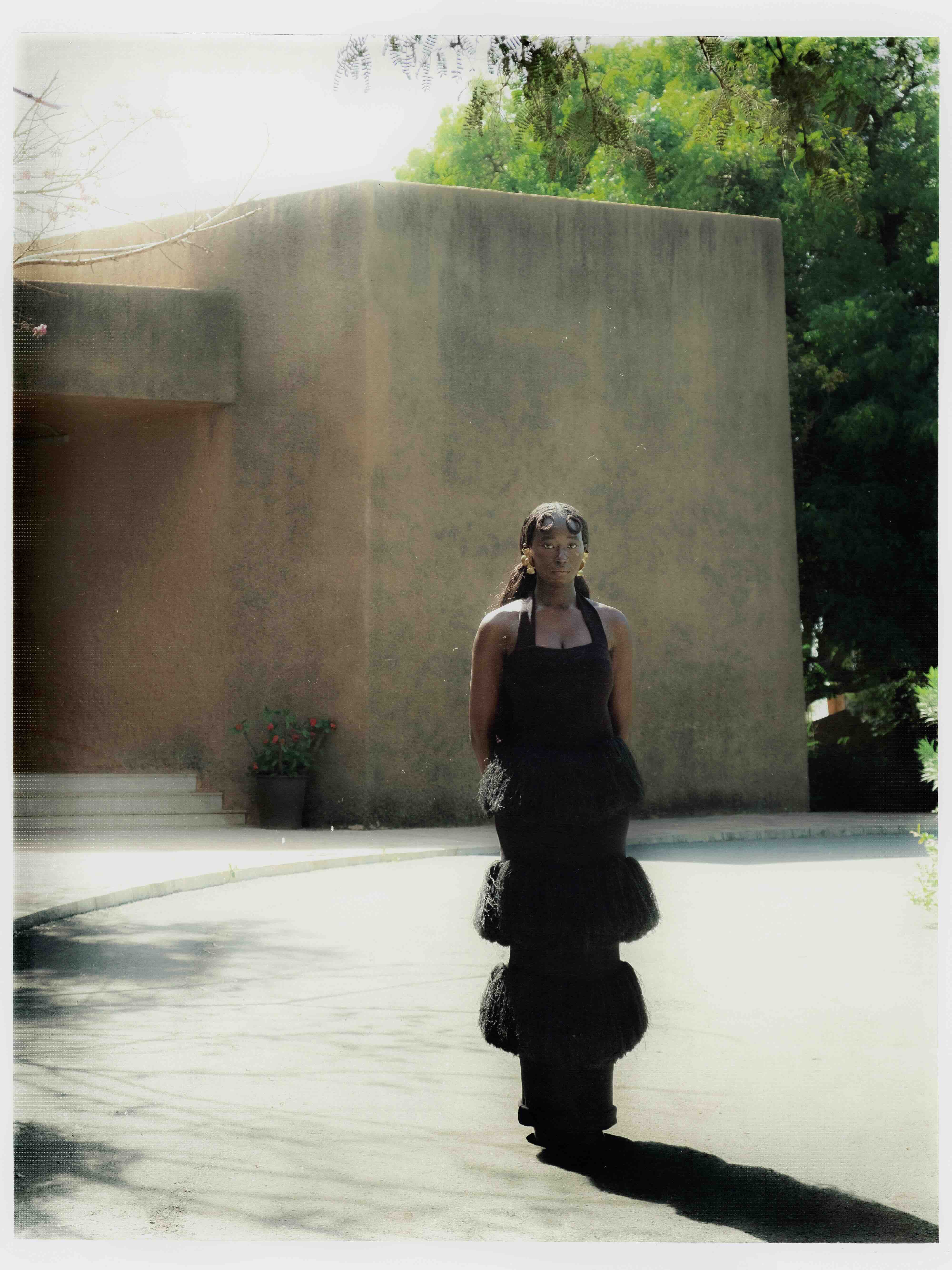
The question at the center of one of her most recent works arrived from two places at once, and she was not sure, at first, that either of them belonged to her. The first was Saint-Omer, the 2022 film by Senegalese director Alice Diop, which explores motherhood as a biological and psychic entanglement. In the film, a monologue describes how the cells of a mother and the cells of a child mix in the womb during conception, so that even after birth, each carries something of the other inside them. They become chimera creatures, multiple parts that are each other. The second was a line from the miniseries Little Fires Everywhere, spoken almost in passing: "was I myself or one of my mothers?" The line stayed with her. It kept reverberating.
"Was I Myself Or One of My Mothers?" became the title of the opening work in her Mother-Mould series, built over 345 hours of repeated concrete casting. The process itself kept producing the question. While making the molds, she learned that the outer plaster shell used in mold making is called the mother mold, because it holds the silicone and the creation inside. The person who teaches you to make it is also called your mother mold. And the mold itself, she noticed one day, had begun to look like a pregnant belly.
"I feel sometimes the work already knows what it is," she says. "I am just a conduit for it to become, and that tension in the journey is forever intriguing to me."
Making the piece held her together during what she describes as a very sad time. She had to get up and go to the studio, because what else was there to do. And through that process, she felt that as she was making it, the piece was also making her. "I've left pieces of myself in this piece," she says, "and she's left bits of herself and me as well."
The question the work asks is one she returns to daily. She looks around and recognizes her mother in herself, in the way she sounds, in the social and political realities she navigates, in the way she is received by a world that also received her mother and others before her. The parts she did not understand in them when she was young have surfaced in her own life. "Is this a part of me or is this a part of my mother?" she asks. "Am I myself or am I her and others who have mothered me, taught me and fed me life through their eyes? Do I belong to myself or do I always belong to my many mothers? Am I always an extension of (ot)hers?"
The second chapter of the series, À Ma Tendre Furie, fabricated in Baltic birch plywood and polymer plaster, carries the same questions into different territory. It asks who is afforded the grace of rightful anger, a question that lands differently for a dark-skinned woman raised in a world that told her she deserved less compassion, less patience, less room to feel pain without being seen as a threat. The fury in the title is not destructive. It is generative. It is, in her framing, the ground from which new boundaries, new desires, and new selves are born.
Mastery, for Aminata, is not a destination. It has no finality. It is a decision made over and over again. "For me, it is to be comfortable in the fact that mastering is a process and it will never be finished," she says.
"You cannot ultimately hold mastery over anything, as it is always fluid. Change is the only constant, so the openness to become fluidity and the vulnerability, courage and humbleness necessary to understand that reality and take it in, is what feels like true mastery to me."
She compares it to polishing. You can polish forever. The only reason you stop is the results of what you are seeking, but the possibility of continuing never closes. What mastery requires, more than anything, is the humility to know that you do not know, because only from that position can you decide to learn. She wants to be the kind of elder, she says, who remains open to what a younger spirit could teach her. Who knows that the world she grew up in is not the same one a younger soul is navigating, and who says, teach me, because there will always be things she is willing to know, so she can hold.
She recently learned mold making. She is learning metal. She is learning wood. Each new material is a new language, a new negotiation, a new relationship with something that has its own life and its own decisions about what it wants to become. The practice keeps widening and she keeps following it. A mastery of change and acceptance.
What comes next, she says honestly, she does not know. And she has made peace with that. She is someone who gets anxious when she plans too much, who finds that over-organizing the future stops her from being what she most wants to be, which is an imaginative person. Imagination, she believes, gets nourished by living. By laughing with friends. By watching a film and taking in someone else's vision. By reading a book and letting another person's mind come to hers. "If I feel good, then I can imagine," she says, "then I can make more things, and I can show up better as a community member, I can feel more rested, I can volunteer, I can give more to others because I have given myself enough. I don't minimize the importance of carrying for our own vessels when we can. If we abandon ourselves we are doomed to eventually abandon others."
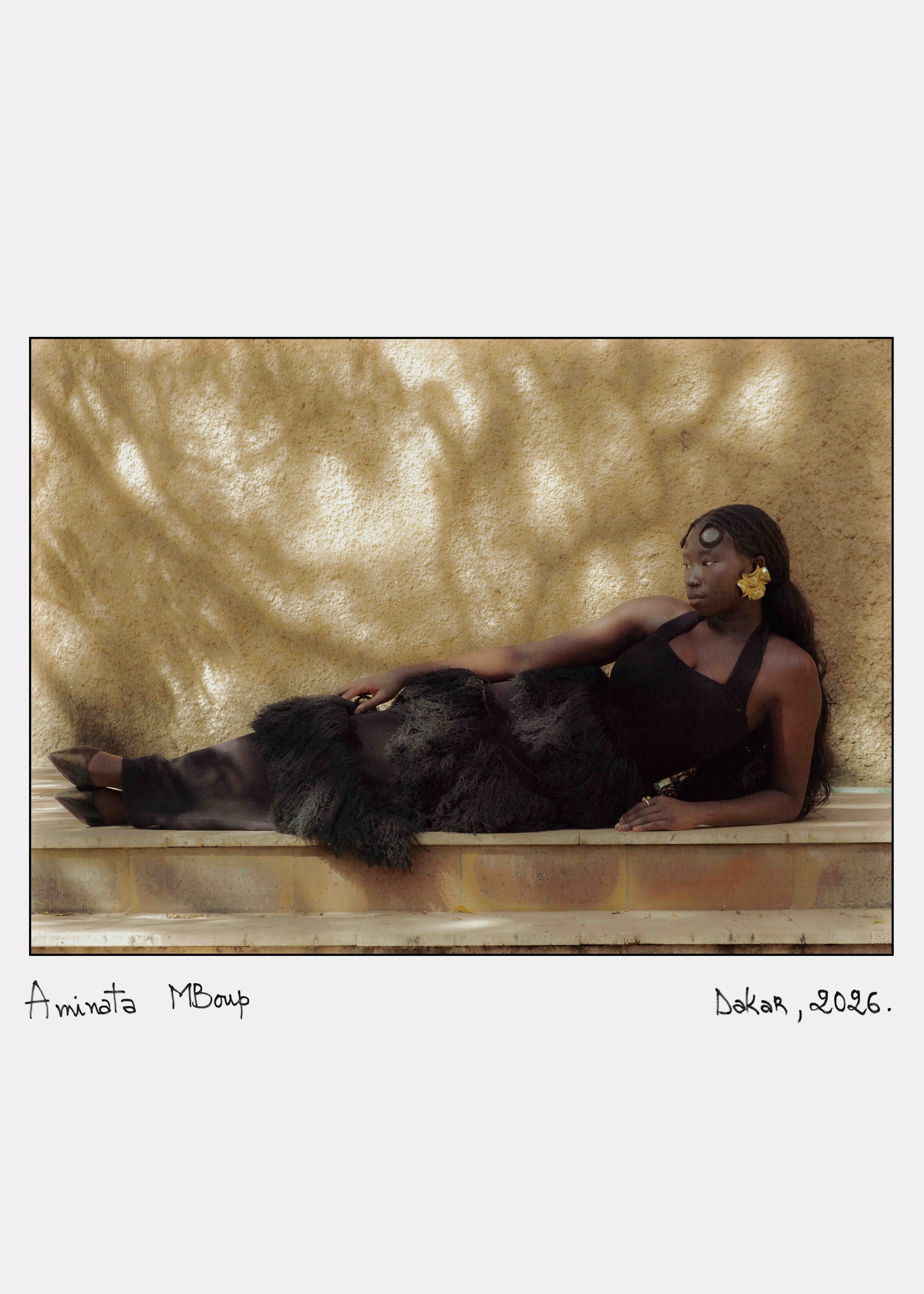
In her vision of the immediate future, she is gardening. Because a gardener is a futurist. She is looking at a sky that is yellow from forest fires as she says this, in a city that burned down the day before. Everything, she says, is very terrifying right now. But even inside that fear, there are people who yearn to live, who yearn to plant a future and trust it will grow, who wish to hold reality, who want to say what they mean and mean what they say. She wants to belong to that. Not only to the thinkers and the makers, but to the people who become, together, as a result of being communal. That is what the vessels are for.