Stay In This World
The stories, the culture, the conversations. Every week.
No spam. No third parties. Just Unruly.
Ademola Falomo on grief, the Altè scene, and what it means to build a filmmaking career one deliberate step at a time.
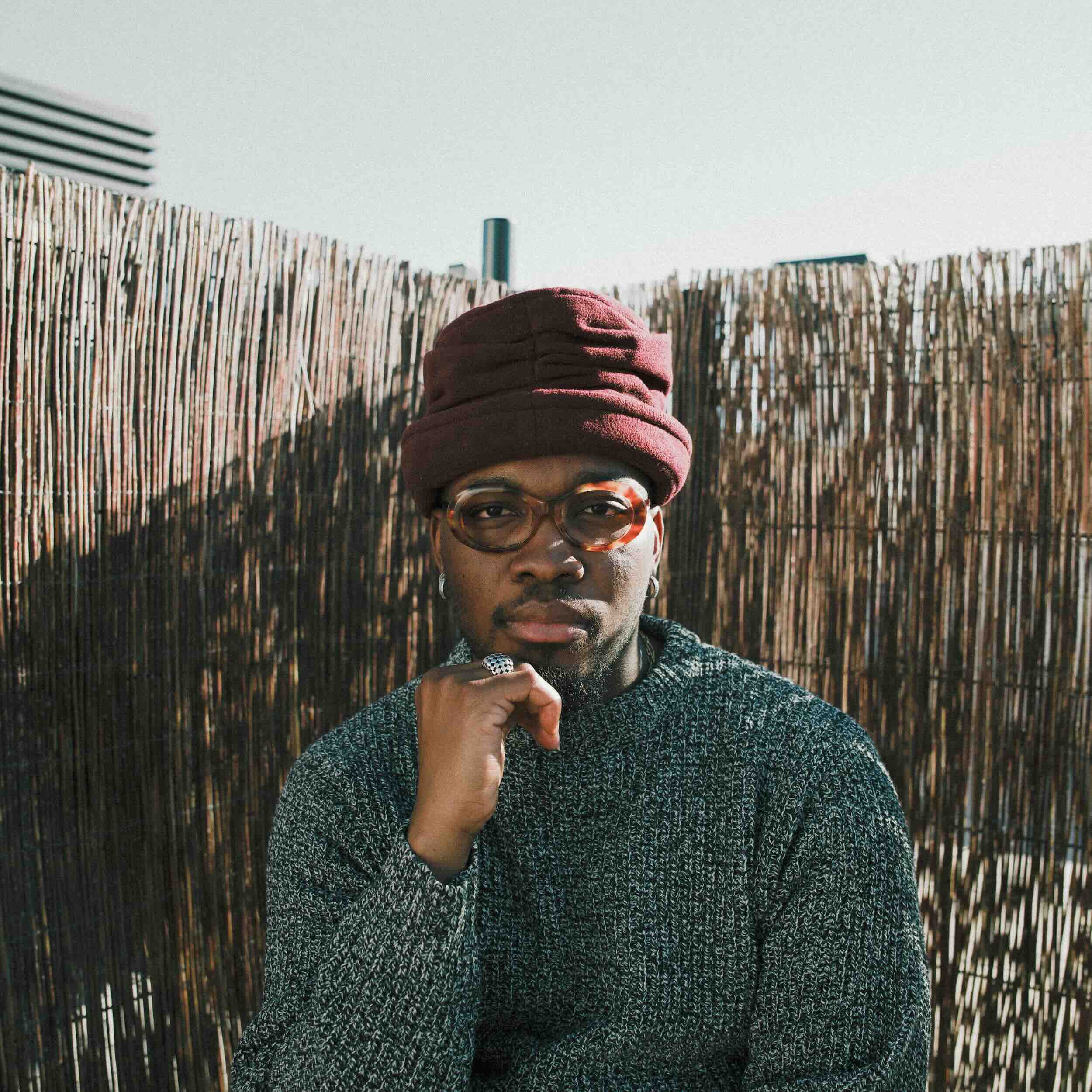
Ademola Falomo's mother always knew. When he was young and she was heading to the market in Lagos, she would bring back writing books, not as a gift but as a bribe. Something to keep the restless, creative child occupied. She asked him, before he left for business school in the UAE, whether he was sure. Whether he might as well just go straight into art. His answer then was that talent could always be grown, but if his goal was to be a global director, which it had been since he was sixteen, he needed to first understand how businesses worked across different parts of the world. That logic, layered, deliberate, strategic, is how everything that followed was built.He is speaking from London, winding down from South by Southwest (SXSW) and preparing to fly to Barcelona the following morning. The SXSW London screening was the first time his film played at that level, alongside films carrying Toronto International Film Festival laurels. His did not have any emblems when it screened. He found that interesting. A testament, he says, of grace. But also, when you listen to how he describes the ten years that brought him there, not entirely surprising.
In the UAE, studying business, he spent two hours every day after university on YouTube learning filmmaking. Then he crossed paths with Santi, and everything started. Music videos were not where he saw himself long-term, but people around him were making music and that was the available door into directing. He walked through it.
What the Altè scene gave him was a practical school he could not have designed better. He directed the most important films of renowned creators in the scene. Working with Santi was different from working with Odunsi, who was different from working with the next artist. Each collaboration was a lesson in a different kind of artist branding, a different visual language, a different creative relationship. "You become like clay," he says. "You begin to adjust." What he was actually doing, in the language of the business degree he had just completed, was penetrating a market one segment at a time. Alternative artists first, then C-list, then B-list, then A-list. Not randomly. By design.
"People think those videos just came to me and I just started accepting them. But they were actually all strategically planned."
When he reached the point where any A-list artist could call him, he moved to film. Not because he had grown tired of music videos, but because the plan had always said so.
The shift to film meant film school, two short films before attempting a feature, and Family Inc., the company he co-founded to build infrastructure for independent filmmakers in Nigeria. Family Inc. Studio has directed Rema's "Dumebi" and Tems' "Damages" alongside branded campaigns for Spotify, but the Family Film Club that sits underneath it is about something different. It is about gathering filmmakers and giving them, for free and in under a few hours, the information that took him years to learn by mistake. The principle he describes is one of discipleship: going out, selecting people, teaching them what you know.
He is clear about what he saw missing. Independent cinema in Nigeria can make you feel like you will never get there, like the only path to recognition runs through top-grossing releases and major award nominations. The Family Film Club exists, in part, to counter that feeling. To show a filmmaker holding a camera for the first time that the thing they are trying to build has been built before.
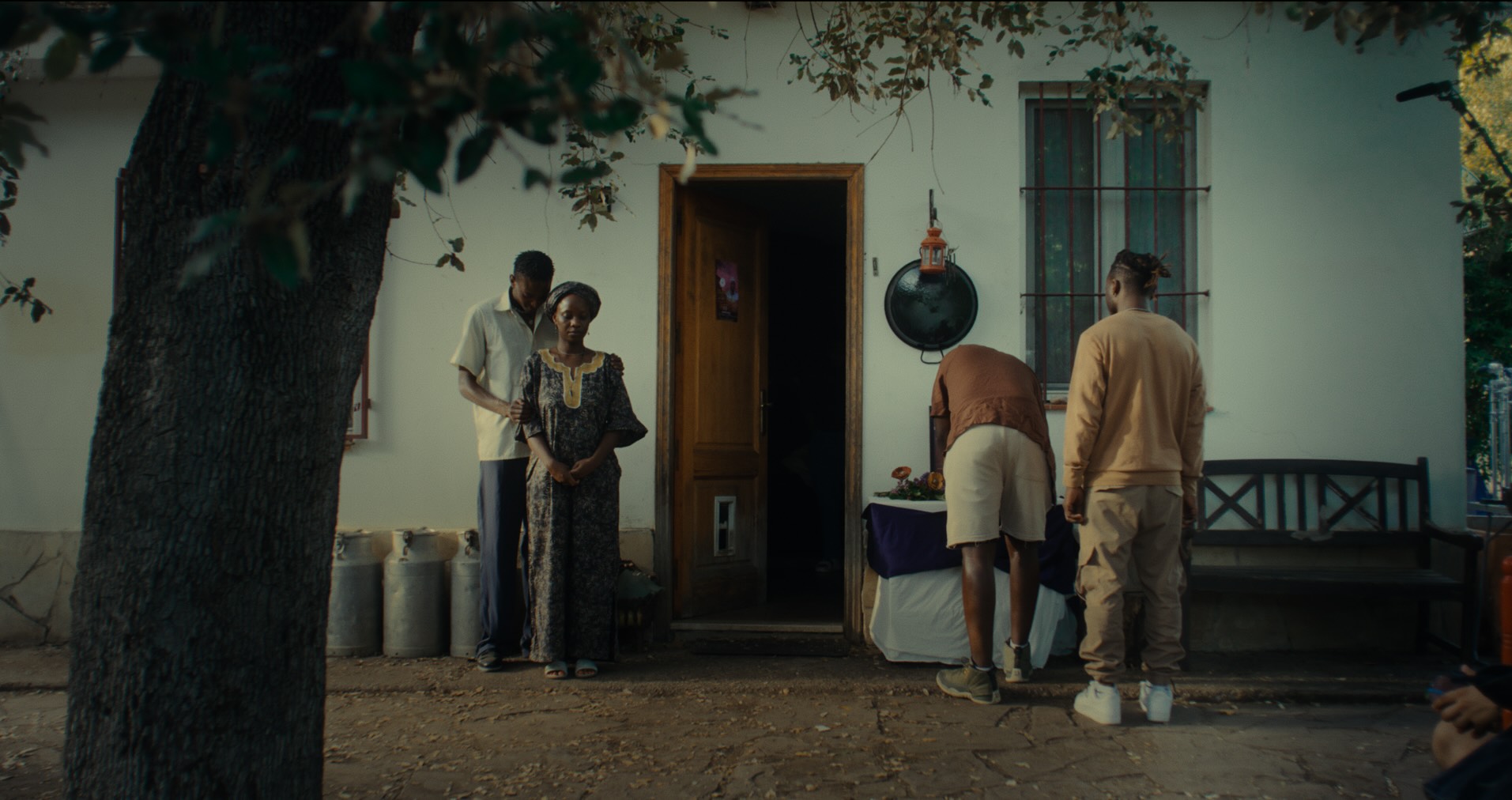
Flowers, his most recent short film, did not come from the plan. It came from losing his father. He has always put himself into his work. When he directed certain music videos, he was going through a heartbreak. Another video came out of an intense friendship falling apart. Those feelings found their way into the images, but the distance was still there. Flowers was closer.
"Your father, you've known him for like twenty, thirty years of your life, and you're realizing that one day this person, this father figure, is no longer there." He describes the specific quality of that absence. The house still cold. Going to the passage in the morning and seeing his father's shoes. His father not there.
"Sometimes you cannot explain these things in words. Visuals and filmmaking is the only way I can express how I feel."
The film became a question: how do you channel the entire experience of grief, everything you felt and processed, into a single piece of work?The film was shot in Barcelona but made to look like it was shot in Nigeria. He was searching for Nigerian textures in a city where they do not exist. That search, he says, made him appreciate what is right there in Lagos, the kind of material that you only notice once you have had to travel miles to find an equivalent.
Living between Lagos and Barcelona has changed how he sees Nigerian stories. Distance created a lens he did not have when he was fully inside the city. He notices the houses in Surulere now in a way he did not before, the architecture that is disappearing, the texture of the walls, the specific quality of the place. "There is so much gold in this place that I've just been sleeping on."The next chapter, he says, is fashion films. Narrative fashion films, made in the same methodical way he has approached every other transition. Nigerian designers first. He sees that industry rising, and he wants to be one of the people shaping what its visual language looks like. The plan is already in motion. It has, with Ademola Falomo, always already been in motion.