Stay In This World
The stories, the culture, the conversations. Every week.
No spam. No third parties. Just Unruly.
Africa Fashion Week London on sixteen years of fighting for the infrastructure African fashion actually needs.
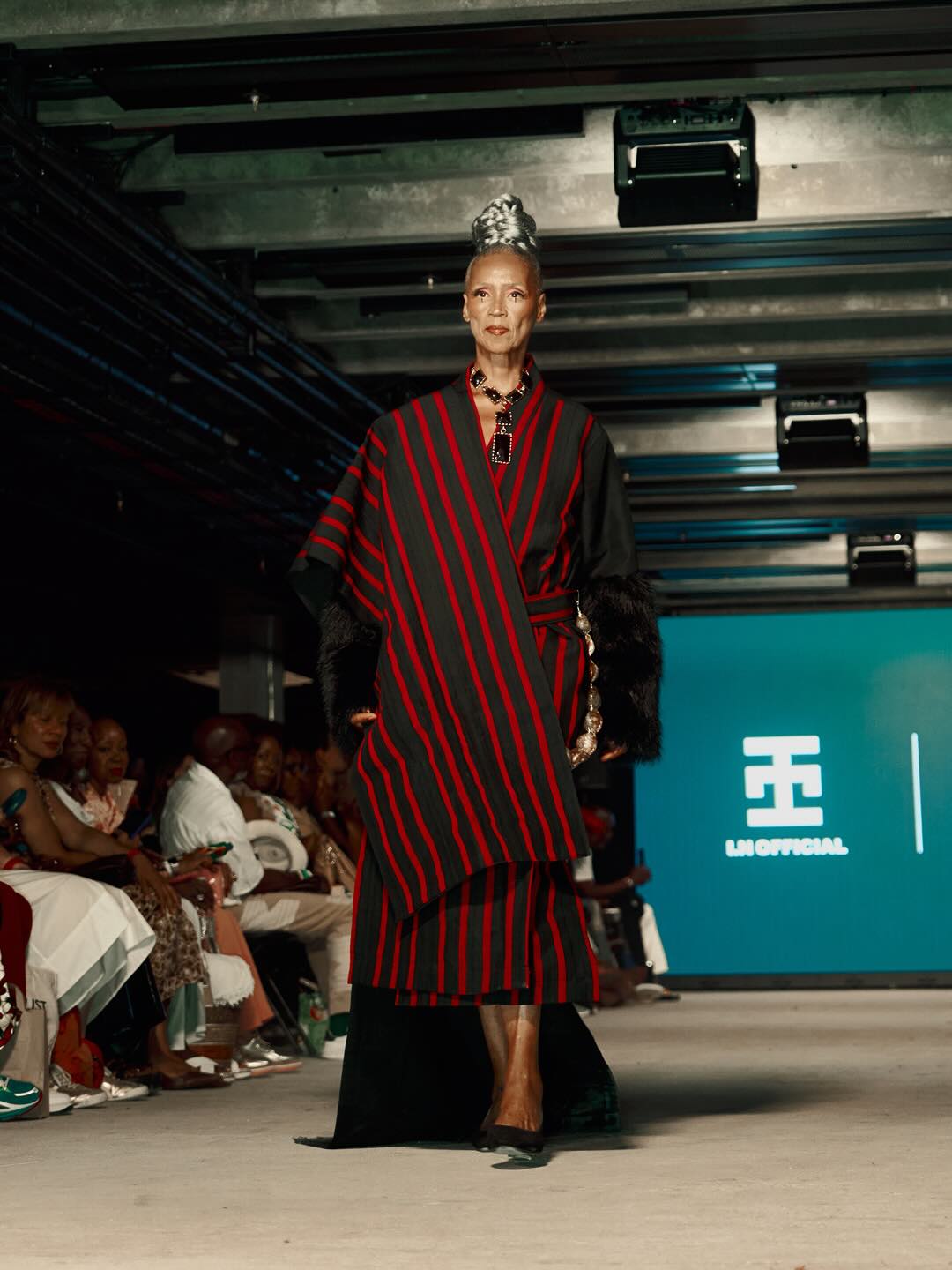
The first Africa Fashion Week London nearly got shut down before it ended. It was 2011, and no one had anticipated quite how many people would show up. The venue came close to closing the event down mid-show, overwhelmed by the crowd that had arrived to see something that, until that moment, did not officially exist in London: a platform built entirely around African fashion, on its own terms, without apology. "I just didn't think about the amount of people who were going to turn up," says Anne Marie Benedict, who has been part of the AFWL team for thirteen years and now serves as its Press and PR Director. "It just over-achieved."
The founder, Queen Ronke Ademiluyi-Ogunwusi, a Yoruba-Nigerian British entrepreneur and Queen of the Ooni of Ife, had read the moment correctly. There was an appetite in London for African fashion that nobody in the mainstream industry had bothered to feed. The tailors were there, the community was there, the market was there. What was missing was a stage. AFWL was built to be that stage, and on its first night, the stage nearly collapsed under the weight of people trying to get in.
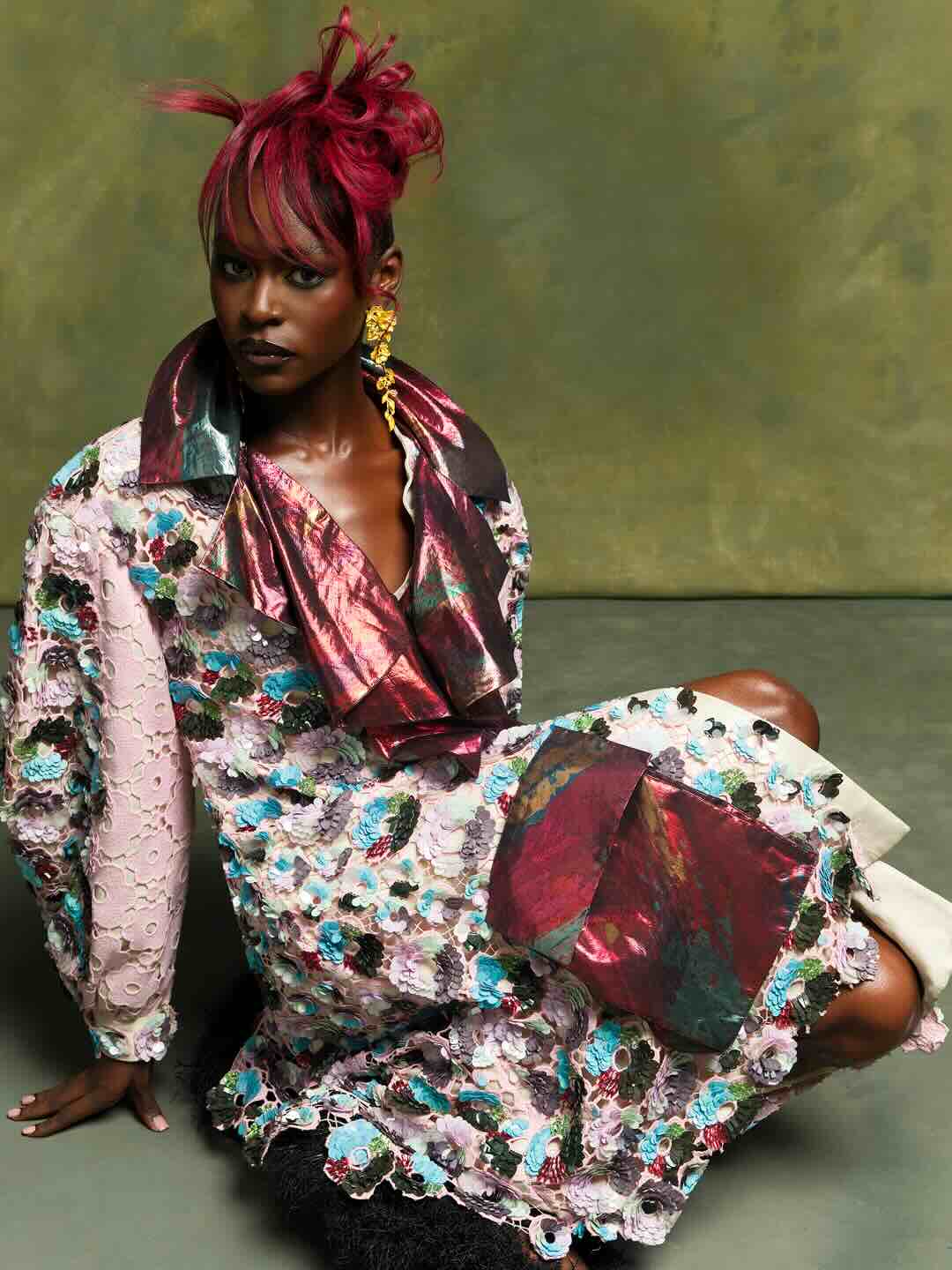
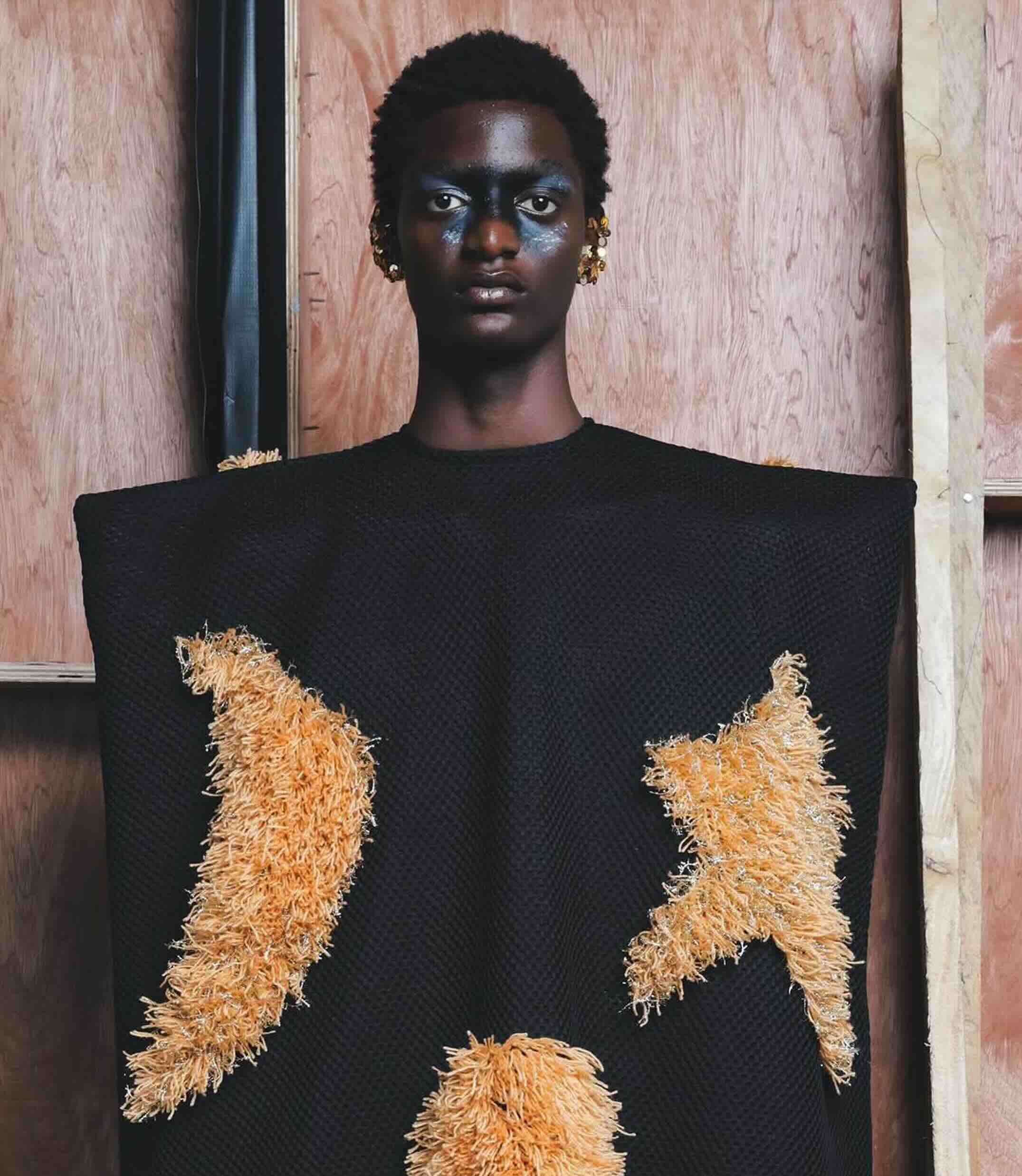
Sixteen years later, AFWL is returning to London from August 17 to 23, with an extended programme of panel talks, DJ workshops, Designer Surgeries and Seminars. More than 2,700 designers from across Africa and the diaspora have passed through it. The question now is not whether the appetite is real. It is how much further the platform can go.
What most people who attend AFWL see is a runway. What they don't see is the 11 months of hard work that precede it. The show runs once a year, which leaves most of the calendar free for everything else AFWL actually does. The education work began almost by accident during Covid, when designers who couldn't reach their clients or find new markets suddenly had time but no infrastructure to use it. AFWL responded by partnering with Henley Business School and Parsons School of Design to offer a week-long programme on entrepreneurship, sustainability, and new technologies, including design software like CLO3D that allowed designers to build and test entire collections digitally without spending money on fabric. "That was the first start in our education," Benedict says.
From there, the work expanded. A UK university approached AFWL to help at-risk-of-failure students who had scattered home during lockdown and were struggling to complete their fashion courses. AFWL paired them with established designers who mentored them through their final projects. That mentorship model has since grown into something more structural. AFWL now goes directly into UK universities, running projects and teaching courses on African textiles and fashion in programmes that had never included them before.
"African fashion was never, on the curriculum within UK fashion courses," Benedict says. "Now we're actually pushing African textile and African fashion into universities that predominantly teach Western sensibilities, and they're really getting into it. They've never even thought about African textiles."
It is, Benedict says, about spreading what she calls "the gospel of African fashion" into spaces where it has never been before. The catwalk is one door. The university lecture hall is another.
The British Council Creative DNA partnership has extended this reach further, connecting African designers from countries including Uganda, Rwanda, Ethiopia, Kenya, Nigeria, Ghana and Zimbabwe with international networks and business development support. This year's AFWL programme brings designers from those Creative DNA cohorts directly to the catwalk.
Also, for the first time, a 4-designer delegation from the mountain Kingdom of Lesotho are making an appearance courtesy of the German government and European Union – bringing tech-infused ski and winterwear as well as gorgeous prints and summer fashions.

Building AFWL has not been a clean story of growth. It has been, by Anne Marie Benedict's own account, a sustained act of will against persistent financial pressure. "Every year we struggle," she says plainly. "Some years are easier than others." The most significant test came when the founder, Olori Ronke, sold her property in London and injected the proceeds directly into keeping the organization running. The money has not been paid back. "She likes to remind us of that," Benedict says, and there is something in the way she says it that is both candid and affectionate, the kind of thing you can only say about someone you have watched carry something too heavy for too long.
What has kept AFWL going, she says, is not a business case. It is belief. The belief that what they are building is worth the cost of building it, and the evidence that keeps arriving in the form of designers who went through the platform and went on to build something significant. Hertunba, now one of the more prominent Nigerian designers working in Lagos with enormous global appeal, had her first ever catwalk show with AFWL. "She says it was us who really launched her," Benedict says. "And look what she's doing now." She could name others. She doesn't, not because she can't, but because the point is not the individual names. The point is the pattern. Designers come, they find markets, they find collaborators, they find customers, and they go on to do bigger things. "That's all we ever wanted," Benedict says. "We've influenced you. We've hopefully helped your origin story."
That origin story, repeated across more than 2,700 designers in sixteen years, is the real argument for why AFWL is worth fighting for. The appetite for African fashion is no longer in question. What remains unresolved is the infrastructure that would allow it to move freely. Benedict offers an example that is small in scale and large in implication. A designer from Uganda was invited to show at AFWL this year. Olori wanted to buy one of her pieces directly. The designer's response was that she couldn't ship to Nigeria. The logistics simply didn't exist. The practical solution was to route the package through London first, and then on to Lagos. "How ridiculous is that?" Benedict says. "Why can't we sell to each other?" The question is not rhetorical. It points to something real about the gap between the cultural moment African fashion is having and the structural conditions that would allow African designers to actually participate in and benefit from it.

The same gap shows up in education. Benedict is direct about the state of fashion training on the continent. There are almost no dedicated fashion schools in most African countries, and where they exist, they frequently lack the equipment and resources to compete with their European counterparts. The technical knowledge that European designers absorb as a matter of course, how to place a zip correctly, the finishing details that determine whether a garment holds up in international markets, is simply not being transmitted at scale. "Governments need to start investing in human capital," she says, not as an abstract observation but as a practical prerequisite for the industry's growth.
Then there is the relationship with the mainstream London fashion industry itself. After sixteen years, AFWL has not been fully embraced by the British Fashion Council or integrated into the London Fashion Week calendar in any formal sense. Benedict does not say this bitterly, but she says it clearly. "We can make them look good," she says. "I think they should jump on board rather than ignore us. We're not going away. We've been here for sixteen years. We're not going anywhere."
What comes next for AFWL is, by Benedict's own admission, something she tries not to plan too carefully. She is someone who strategizes constantly, she says, but the show has a way of consuming everything in the weeks before it happens. The vision she carries for the platform is expansive, almost deliberately so. She wants AFWL to become a home for every African creative discipline, not just fashion. Architecture. Photography. Film. Animation. Interior design. The runway as one room inside a much larger building.
"I would love Africa Fashion Week to be a platform for every creative discipline," she says. "We shouldn't all be working in silos. We should be working together for the common good of African creativity and design and storytelling and knowledge."
There are signs the platform is already moving in that direction. This year's show includes a designer from Ethiopia whose work crosses over into fashion for video games, a detail Benedict mentions almost casually, as if the boundaries of what African fashion can contain have already expanded beyond what the name suggests.
The 2026 edition opens on August 17 with a Press Conference at Tales House – London’s newest emporium to African Fashion. 18-20 August the itinerary moves to the British Council HQ in Stratford for a 3-day knowledge-sharing programme featuring a day of panel talks, 2 days of designer skills building and then the team moves to 8 Northumberland Avenue near Trafalgar Square for a weekend of catwalk showcases and retail exhibition, featuring at least 100 designer brands in one space.
Sixteen years after a first show that nearly got shut down because too many people turned up, the appetite is still there. What AFWL has spent sixteen years building is the argument that the appetite was never the problem. The infrastructure, the education, the market access, the political will to treat African creativity as a serious economic force rather than a cultural curiosity, that is what still needs to be built. The show, as always, goes on.