Stay In This World
The stories, the culture, the conversations. Every week.
No spam. No third parties. Just Unruly.
Wale Adeyemi MBE on thirty years of independence, community, and what the streets gave him first.
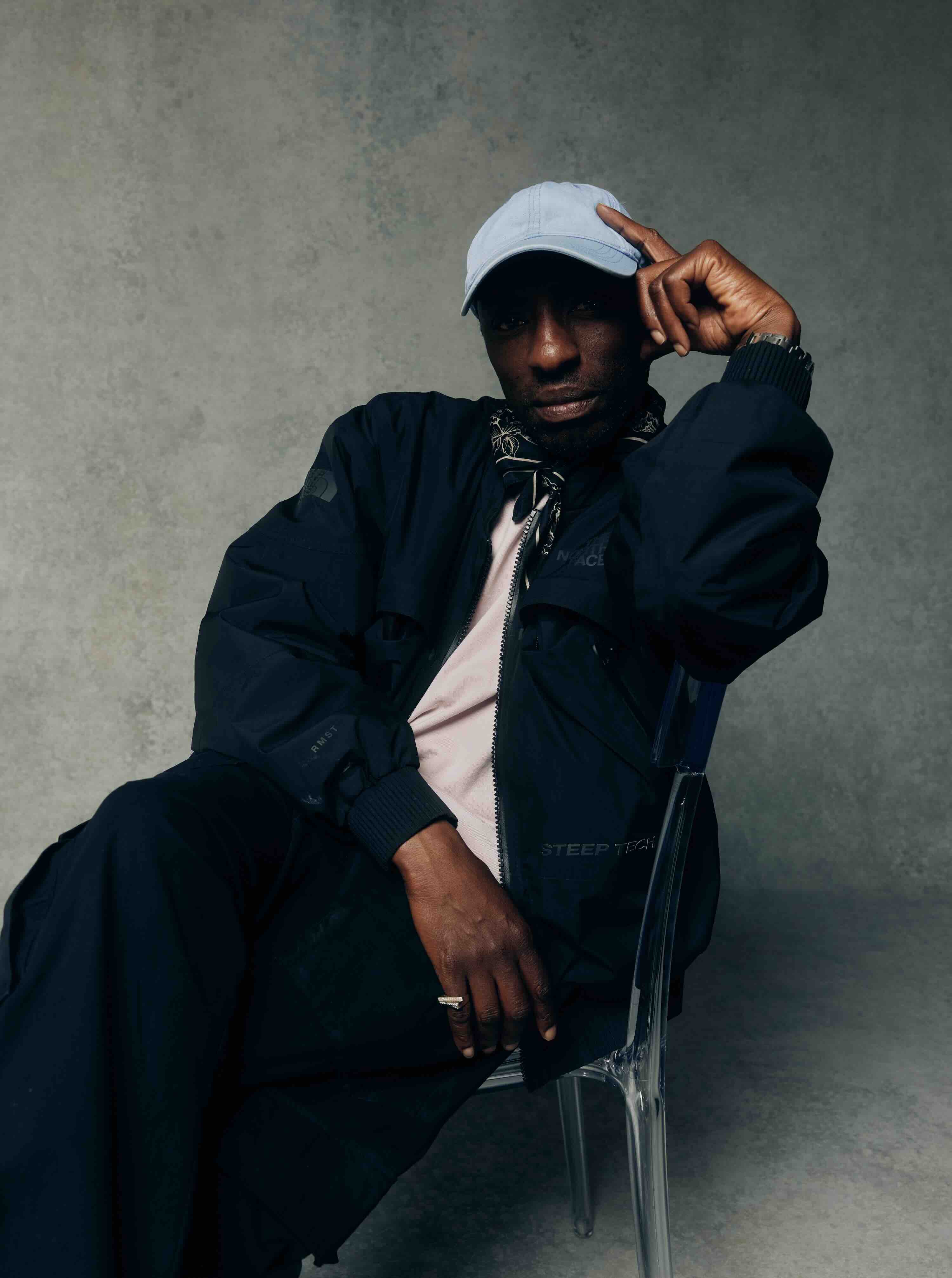
In 1995, a young British-Nigerian designer set up a stall at Camden Market, opposite a drum and bass record store. He was selling his own designs but not telling anyone they were his. He wanted honest feedback, the kind you only get when nobody knows they are being watched. Musicians came through, unsigned acts mostly, people who were part of the same underground culture that was shaping how a generation dressed and moved through the city. The stall became a conversation. The conversation became a brand. Thirty years later, Wale Adeyemi MBE is reintroducing himself under his own name.
That detail matters more than it might first appear. In an industry that rewards reinvention and punishes stillness, Adeyemi has done something more quietly radical: he has persisted. Through the UK garage era, through the mainstreaming of streetwear, through the years when British street fashion was dismissed as not serious enough to be called design, through the global stage that eventually proved all of that wrong. He has dressed Beyoncé, the Beckhams, Rihanna, Missy Elliott, and Alicia Keys. He received an MBE in 2008, one of the youngest recipients in fashion at the time. His Graffiti Collection appeared in the V&A's Moments in Black British Style exhibition in 2005. And through all of it, he stayed independently owned and run from East London. The return to his own name is not a reset. It is a statement about where thirty years of foundation actually lands you.
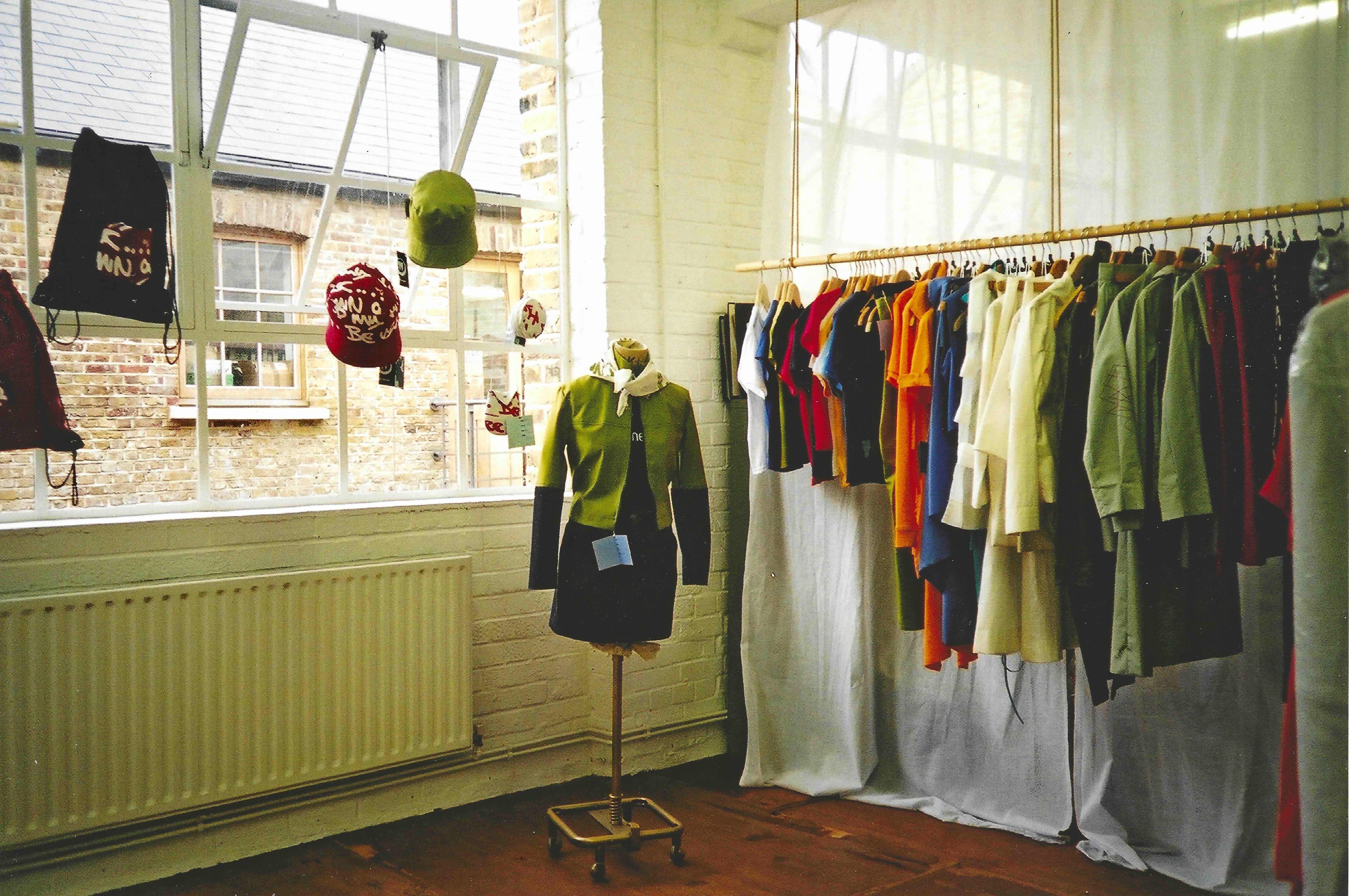
The brand name he built under for most of that journey was itself a cultural argument. B-side, taken from the record industry's language, was the track the label was not pushing. The one that was hot on the streets. The one that mattered to the people who were actually paying attention.
"When I was around, it was always the B-side that had the particular track that was hot on the streets," Wale says. "It wasn't necessarily the record the record label were pushing. So that's why that was my reference to what I was doing and where I was at that period of time."
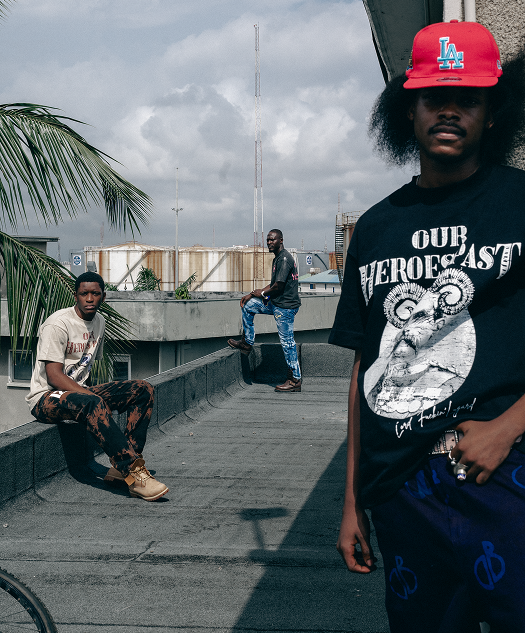
The brand he built around that reference sat, by his own description, somewhere between the kerb and the boutique. Not oversize enough for the American streetwear scene that dominated the UK market when he started. Not formal enough for the boutique end. Dismissed by parts of the industry as not really design. In hindsight, what he was actually building was the vocabulary that British street fashion would spend the next two decades learning to speak.
"Everything comes from the streets," he says, "and finds its way onto the catwalk." He said this then and the industry eventually agreed with him. The difference is that he was saying it from a Camden market stall rather than from a fashion week presentation.
The early years taught Wale something he still returns to: that foundation is the thing. Not as a starting point to move past, but as the condition that makes everything else possible.
His placement with Joe Casely-Hayford, the British-Ghanaian designer who was himself a pioneer at the intersection of tailoring and subcultural energy, gave him a grounding in the technical side of the craft at the moment he needed it most. The ability to pattern cut, to understand construction, to know how something is made before deciding how to remake it. "Once you've got the foundation of the basics," he says, "it's a lot easier for you to express to the people in your team what you want and how you want it done, if you know how to do it yourself."
But the foundation he describes is not only technical. It is emotional. He talks about the value of making things not to sell but simply to understand, of going through the emotional process of creating art without the pressure of orders and revenue. That freedom, he suggests, is what sustains a practice across decades rather than seasons.
The Camden Market detail carries that same understanding. He did not announce his work. He put it in front of people and listened. "I didn't necessarily tell people it was my designs I was selling because I wanted honest feedback." This resulted in a practice built on what the community actually responded to rather than what the industry said it should be.
When the Graffiti Collection appeared in the V&A's Moments in Black British Style exhibition in 2005, it was a significant institutional moment. The V&A is the V&A. The recognition it represents is not nothing. But when asked whether it felt like validation, Wale's answer is precise in a way that says something important about how he has always understood his own work.
"I've never really thought of validation from outside," he says. "I've always sought validation from my peers and from the community of people who supported me." The institutional recognition was welcome. It was not the point. The point was the person who stopped him on the street and said they had seen his designs and thought what he was doing was good. That, he says, gave him the confidence to continue. Everything else was layered on top.
This is not false modesty. It is a description of a specific operating principle that has allowed him to stay independent for thirty years in an industry that routinely absorbs, rebrands, and discards the practitioners it once celebrated. When the source of your validation is the community you are part of, rather than the institution, you do not need the institution's permission to keep going.
Born in Nigeria, raised in London, Wale has not been back to Nigeria in close to a decade. But the influence is not something he has had to consciously reach for. It was present from the beginning, before he had the language to name it.
His earliest work was streetwear made in traditional African fabrics. Not as a concept or a collection theme but simply because that was what he was drawn to: photographs of family members in Nigeria and London in the 1960s and 70s, the colours and textures of that world, the blocks of identity that made up who he was.
"There's elements of it that will always be there," he says, "because that's who I am."
The duality he describes is not a tension between two competing identities. It is a resource. The British street culture that shaped his practice and the Nigerian heritage that sits underneath it are not in conflict. They are part of the same foundation.
Returning to his own name after thirty years is partly about the archive. Wale has photographs from before the internet, before social media, a visual record of a movement that shaped British culture and has not yet been fully told. Part of what the return to his name enables is the telling of that story, on his own terms, with the authority that three decades of independent practice gives him.
"It was a movement," he says of what he and the community around him built. "A small movement that we managed to sort of keep going." Capsule 001 is where that idea becomes something more deliberate. Not just a nostalgia exercise but a true continuation, built for a new generation and shaped by collaboration with new artists and creatives across genres.
The story, as his website puts it, does not restart. It continues. After thirty years of building something that lasted, Wale Adeyemi knows exactly what that means.