Stay In This World
The stories, the culture, the conversations. Every week.
No spam. No third parties. Just Unruly.
On Sankofa as a working method, the cost of building from Accra, and what it actually takes to compete at the highest level.
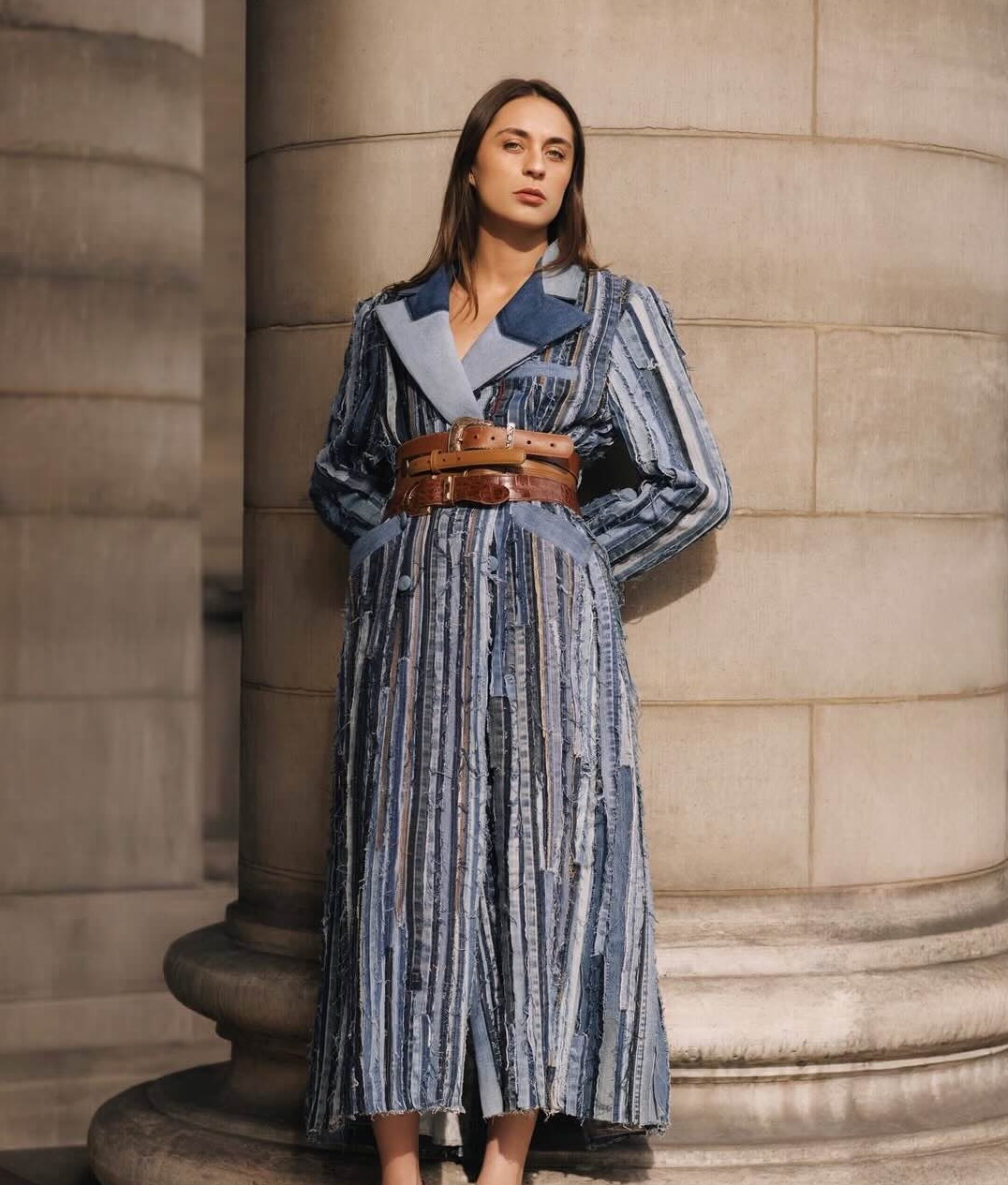
Before Boyedoe was a brand, it was a way of seeing. Growing up in Kumasi, surrounded by Kente cloth and the visual language of Ashanti culture, David Kusi Boye-Doe learned early that clothing was never just clothing. The colours carried meaning. The patterns told histories. The act of dressing was an act of communication, of identity, of belonging to something larger than yourself. That understanding did not arrive through study. It arrived through proximity.
Moving to Accra for fashion school added the second half of the equation. Structure, global references, the discipline of design, the vocabulary needed to translate a deeply cultural foundation into something that could exist on an international stage. Kumasi gave the soul. Accra gave the direction. Boyedoe sits precisely at that intersection, and has never pretended otherwise.
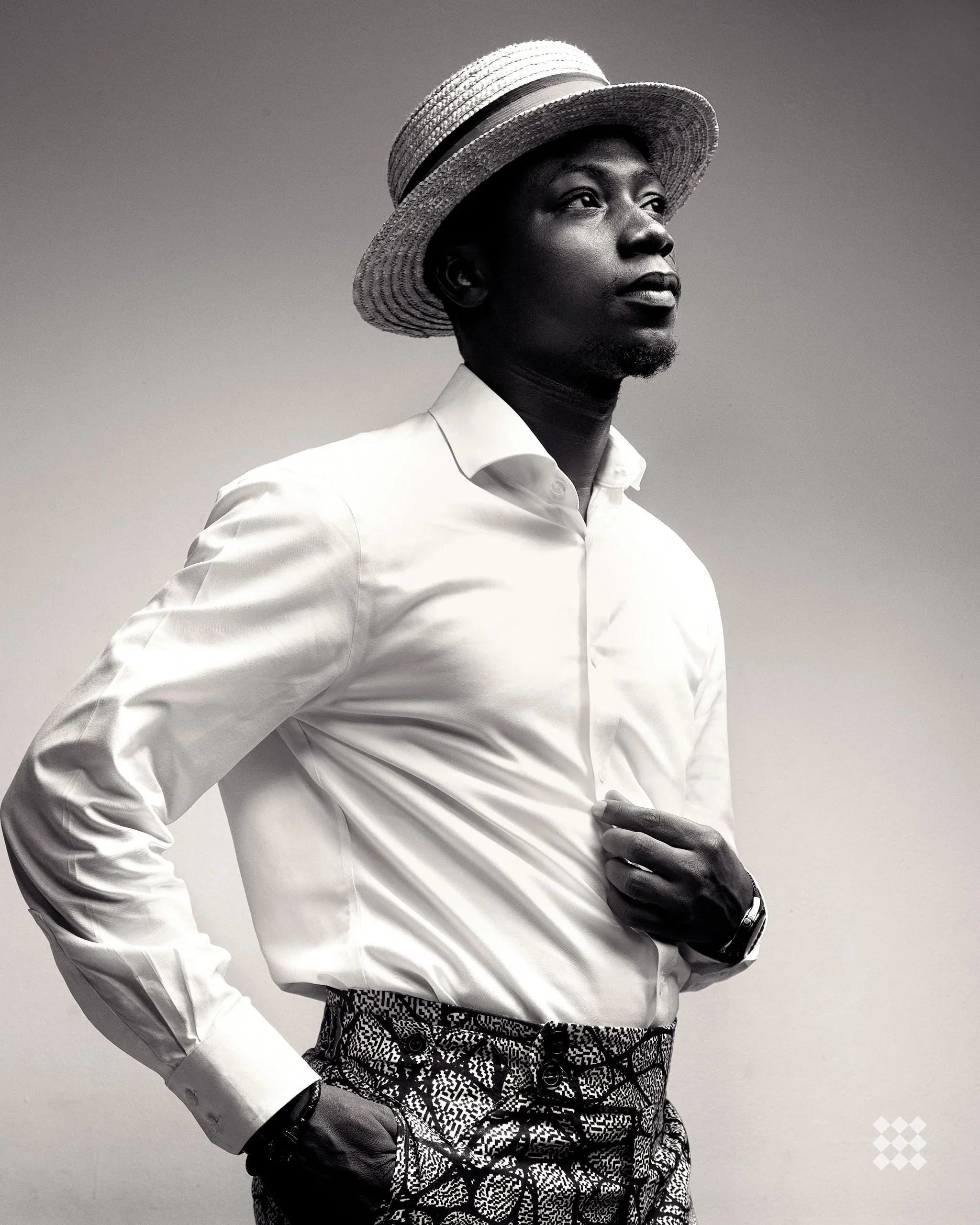
Sankofa, the Akan principle of looking back to move forward, is not a concept David reaches for at launch season and sets aside. It is a working method, applied from the first moment a collection begins to take shape.
The first question is not what is trending. It is what is worth retrieving. That could be a memory of how garments were worn growing up, a cultural symbol or proportion, a forgotten technique or attitude toward dressing. The retrieval is only the beginning. The process moves through three stages: extraction, interrogation, and reconstruction. Pulling something real from the past, asking whether it still holds power, then translating it into a new form that fits a contemporary and global context.
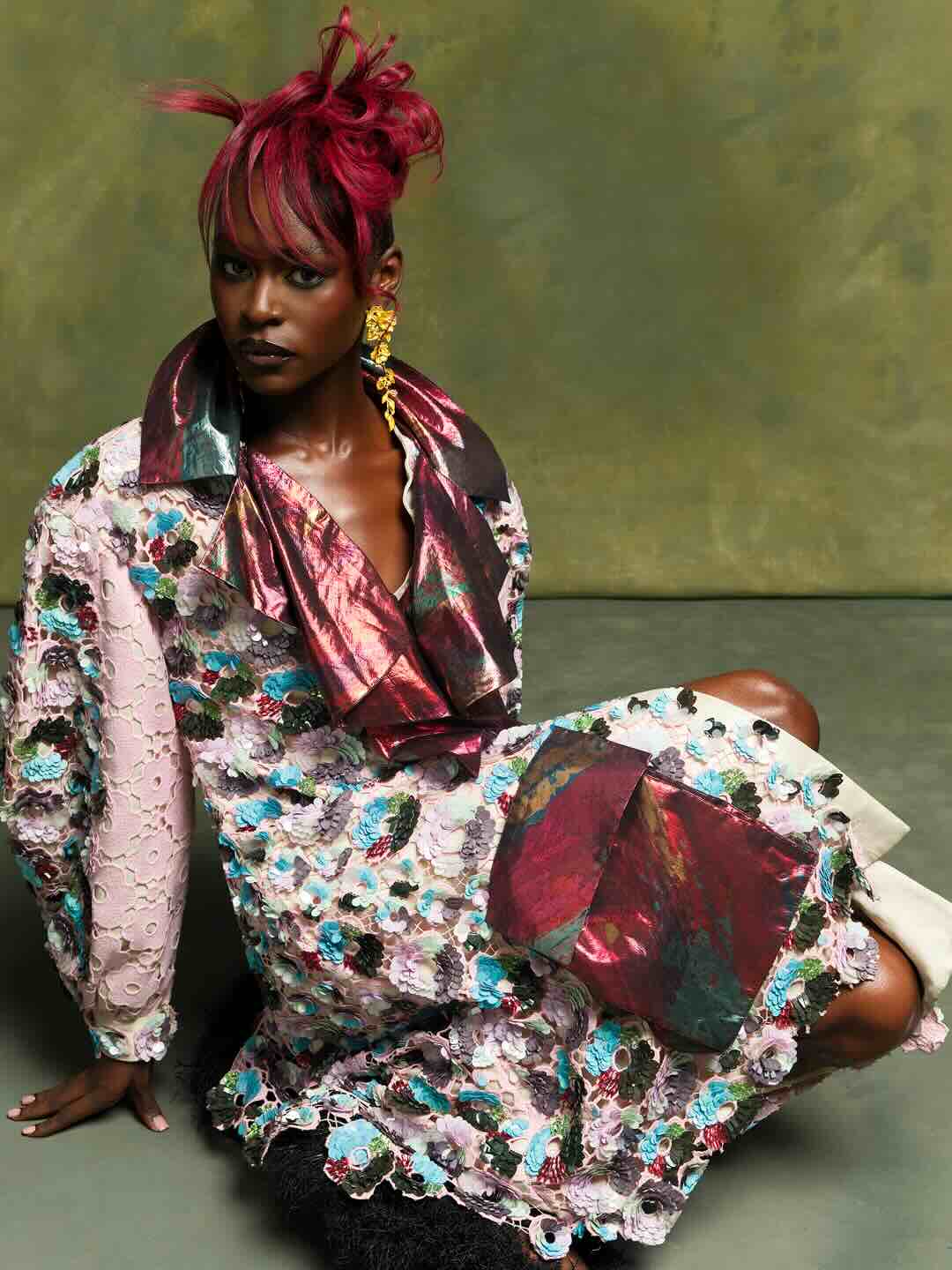
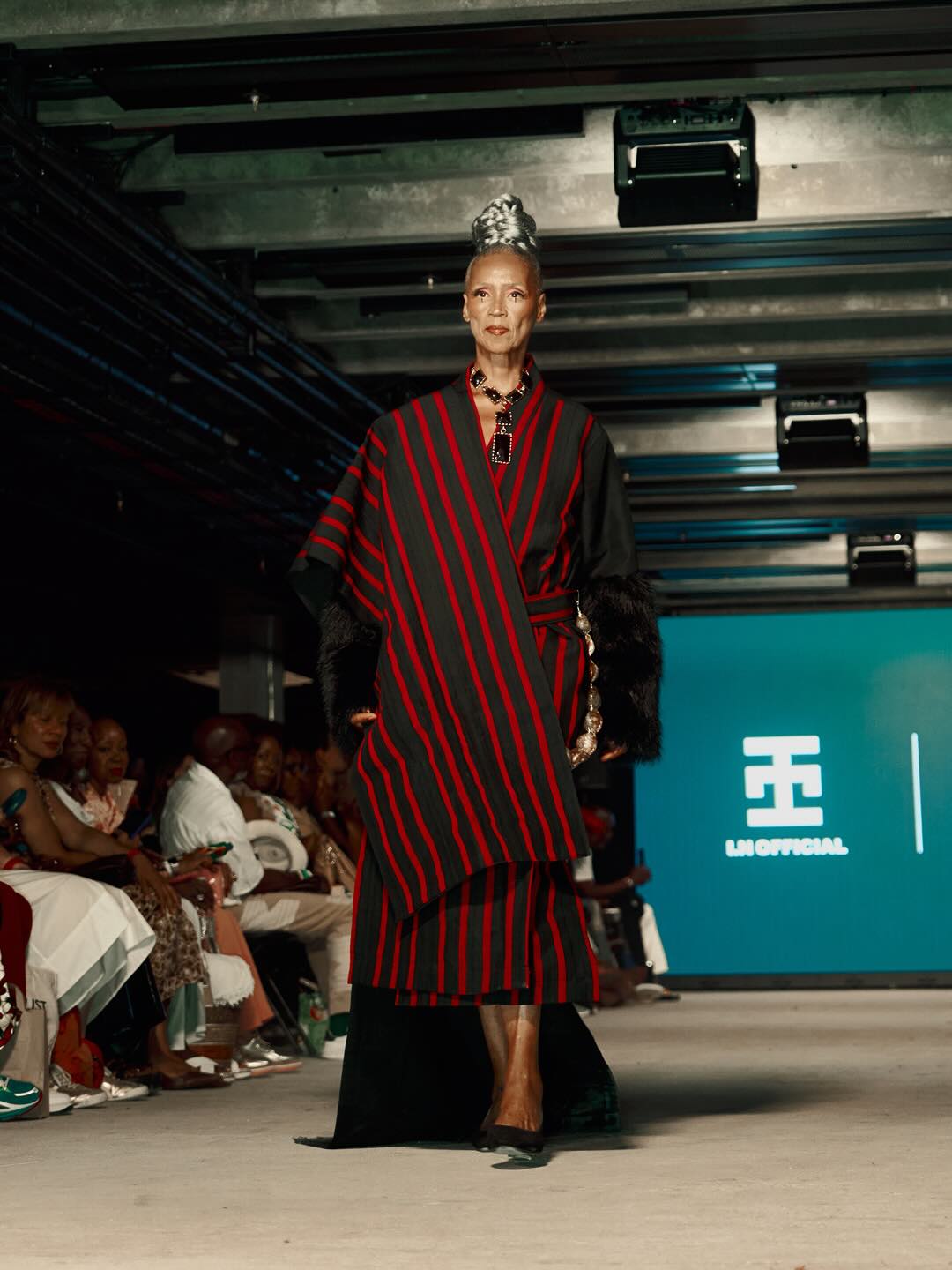
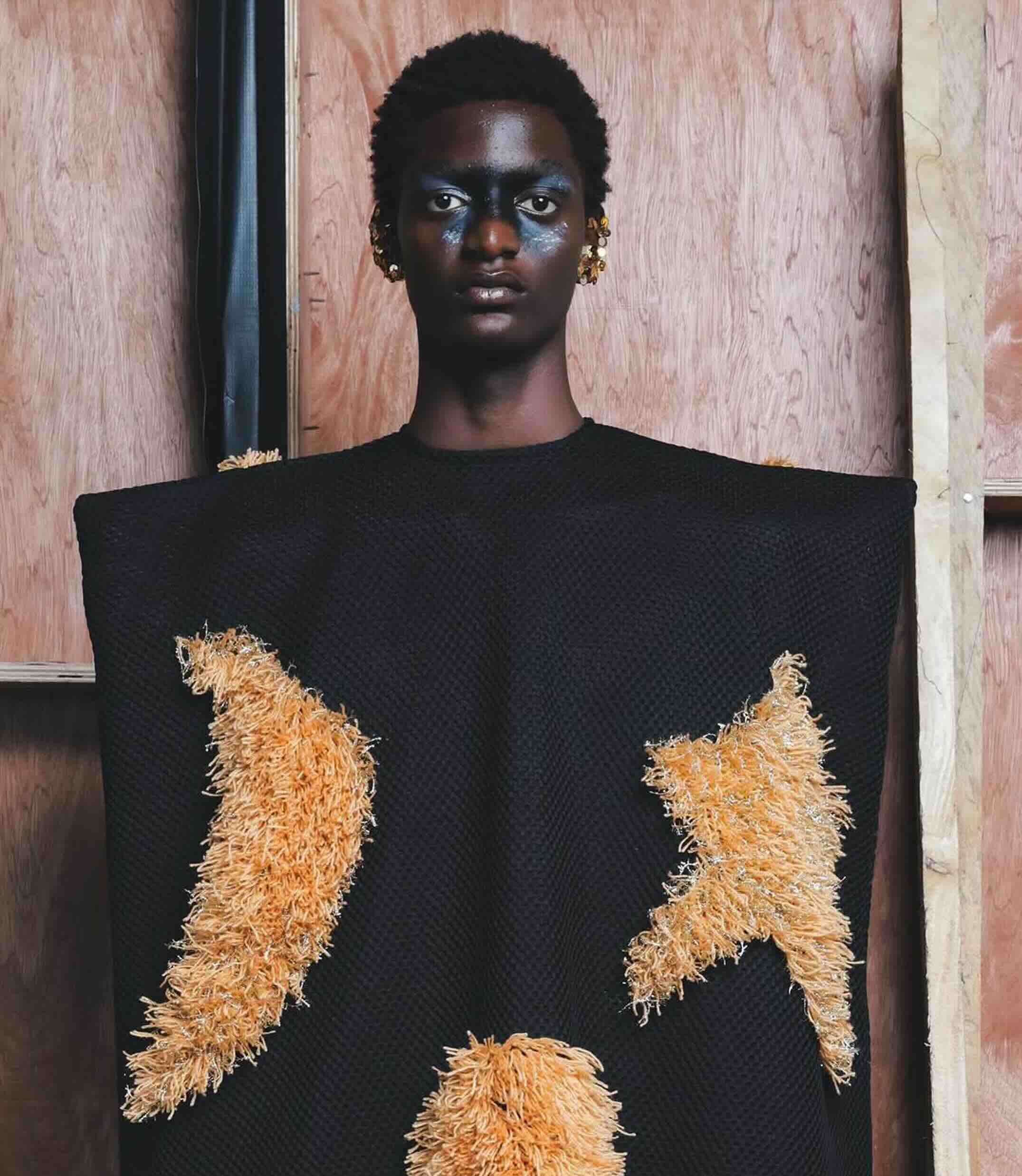
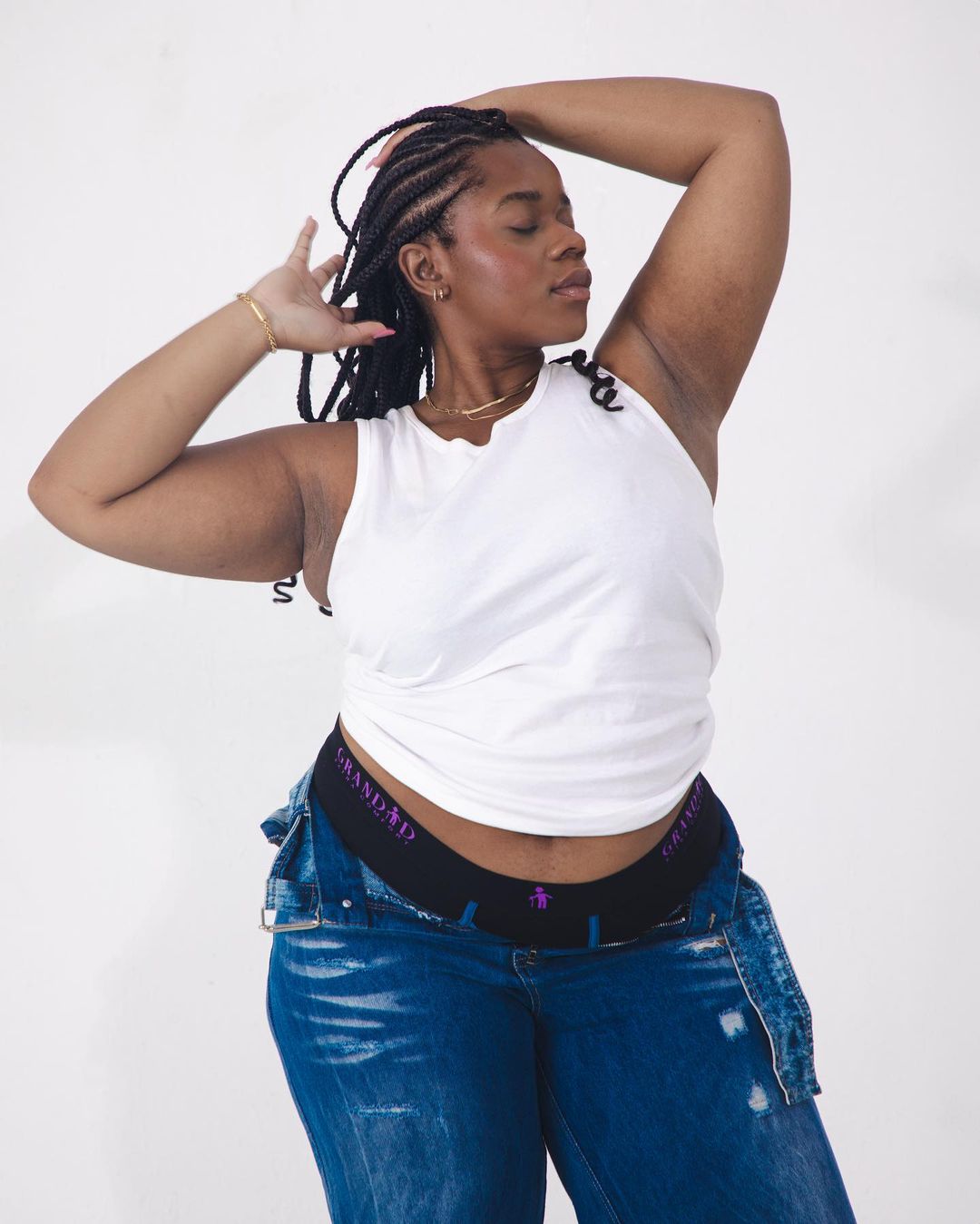
A traditional silhouette might become exaggerated, deconstructed, or hybridised with denim. A cultural motif might be broken apart and reassembled into something abstract. Textile waste becomes part of the narrative because discarded material still carries history.
"We carry forward essence, not replicas. So when a collection is finished, it should feel like it remembers something. But it doesn't belong to the past."
That distinction, between memory and nostalgia, is where Boyedoe lives. The brand is not interested in reproduction. It is interested in transformation. Sankofa only works, David insists, if there is genuine change on the other side of the retrieval.
The same thinking that governs the cultural philosophy governs the material one. Roughly 80 percent of Boyedoe's materials are recycled, and that figure did not arrive by accident or by market pressure. It arrived by logic.
Sankofa is about retrieving, reworking, and giving new life. Sustainability, understood this way, is not a trend or a positioning strategy. It is a direct extension of how David already thinks about culture. Nothing is truly discarded. Everything can be reinterpreted. Collections are designed from the outset knowing most materials will be reclaimed. Irregularity is embraced as part of the aesthetic rather than corrected out of it. Narratives are built around transformation rather than perfection.
"It's not sustainability as a trend," the designer says. "It's sustainability as a way of thinking and making."
The LVMH Prize semi-finals placed Boyedoe in a room with some of the most powerful figures in global fashion. What the experience produced was clarity more than anything else.
African designers, David observes, are no longer framed as emerging in the way they once were. There is genuine curiosity, genuine respect, and genuine recognition of the cultural influence coming from the continent. But curiosity is not the same thing as competition. What separates the brands that move forward at that level is not story and not origin. It is precision.
The global standard is built on a few non-negotiables: a sharply defined identity, consistency across every collection and every presentation, execution that holds up under the closest scrutiny, and business readiness. Pricing, scalability, production, delivery. These are not optional considerations at that level.
"It's not about proving that African design is valuable, that's already understood. It's about proving that your brand can operate at the same level as the best in the world.”
For Boyedoe, the semi-final was a sharpening exercise. More intentionality about identity. Elevated quality and finish. Thinking beyond collections into systems and scale. "At that level, you're not just designing clothes. You're building a house that can stand in the same room as the biggest names and stay there."
The Afreximbank support ahead of Paris Fashion Week mattered for similar reasons. Preparing for Paris is not only a creative exercise. It is logistical, financial, and operational, with costs, timelines, production pressures, and international standards all converging at once. That institutional backing allowed the collection to be executed at the level it deserved, and it sent a signal to the global industry: this is a brand worth paying attention to. Without it, David reflects, the journey would still have happened, but slower, more constrained, more defined by compromise than precision. Talent exists across the continent. Access determines how far that talent travels.
Building Boyedoe from Accra rather than from Paris or London carries a specific set of costs, and David names them without equivocation.
Speed. Things take longer: production, sampling, logistics. Access. Fewer direct connections to buyers, press, and opportunities. Perception. A credibility that has to be proven before it is assumed. Focus. More energy directed toward infrastructure and problem-solving rather than purely toward the work itself.
"Accra saves you money, but costs you momentum." That is the equation as David states it, and the honesty of it is part of what makes Boyedoe's positioning coherent. The brand is not romanticising its context. It is building within it, with full awareness of what that costs.
The stated ambition is a global brand that does not have to explain itself as African first. David is precise about where that stands. Boyedoe can now sit in Paris, New York, or Tokyo and be understood first through design, silhouette, and construction rather than through origin. The work is beginning to speak in a universal language.
Reaching that point fully requires more than recognition. It requires infrastructure and repetition at the highest level. Retail presence in key cities. Consistent global distribution. Production capacity that can meet demand without compromising quality. Capital to sustain growth without diluting the vision. The identity works. The product resonates. The story travels. The next phase is proving the business can stand globally and consistently.
Critically, the goal is not to remove Africa from the brand. That would be a mistake, David says. The goal is to reach a point where the work is so strong, so present, and so consistent across global markets that its origin becomes an added layer rather than the primary lens. "That's when you know you've crossed over."
Boyedoe is not there yet. But the distance between where it is and where it is going has been measured, and David knows exactly what the crossing requires.