Stay In This World
The stories, the culture, the conversations. Every week.
No spam. No third parties. Just Unruly.
A debut film, a missing grandmother, and the silence that shaped both.
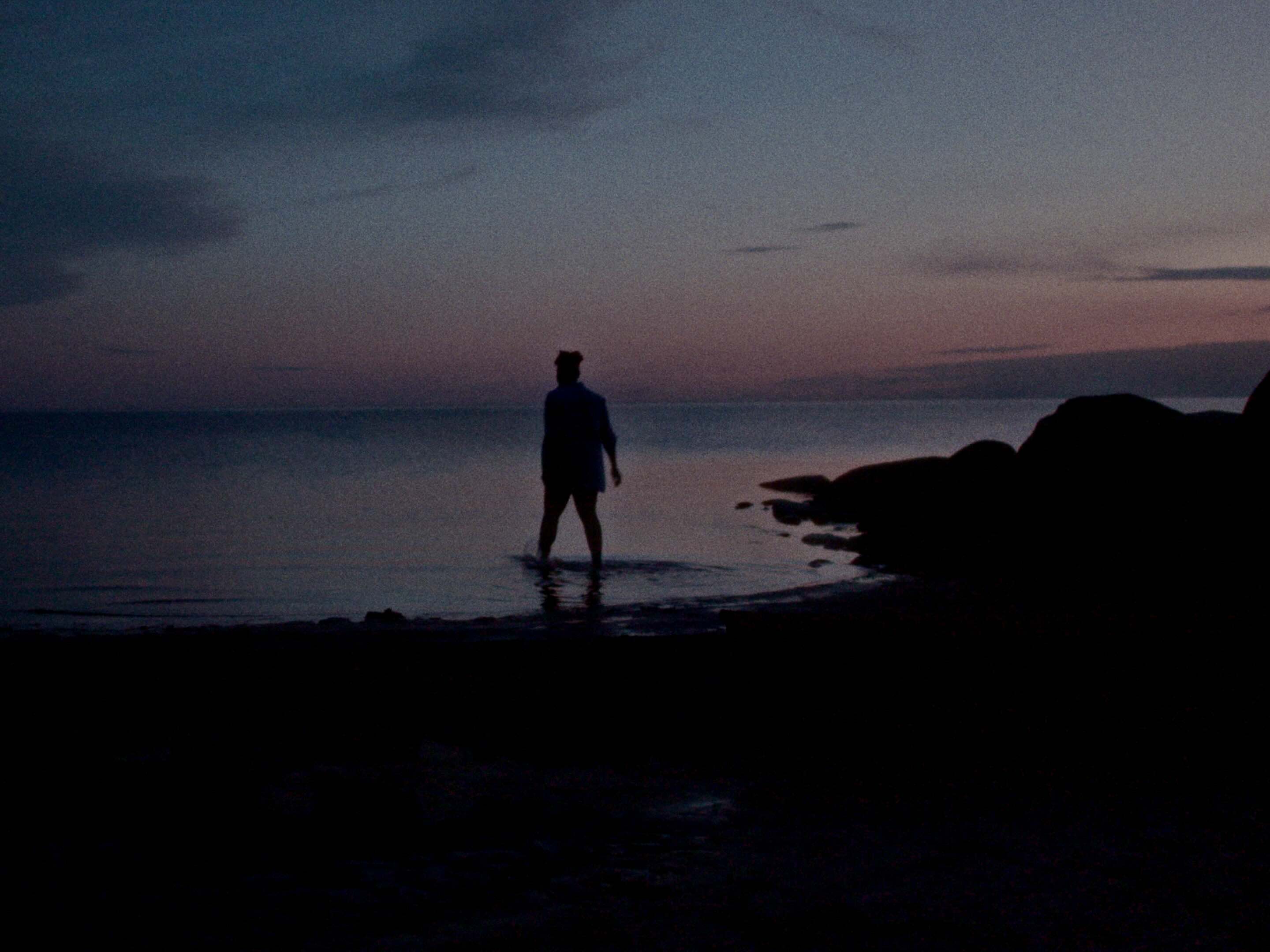
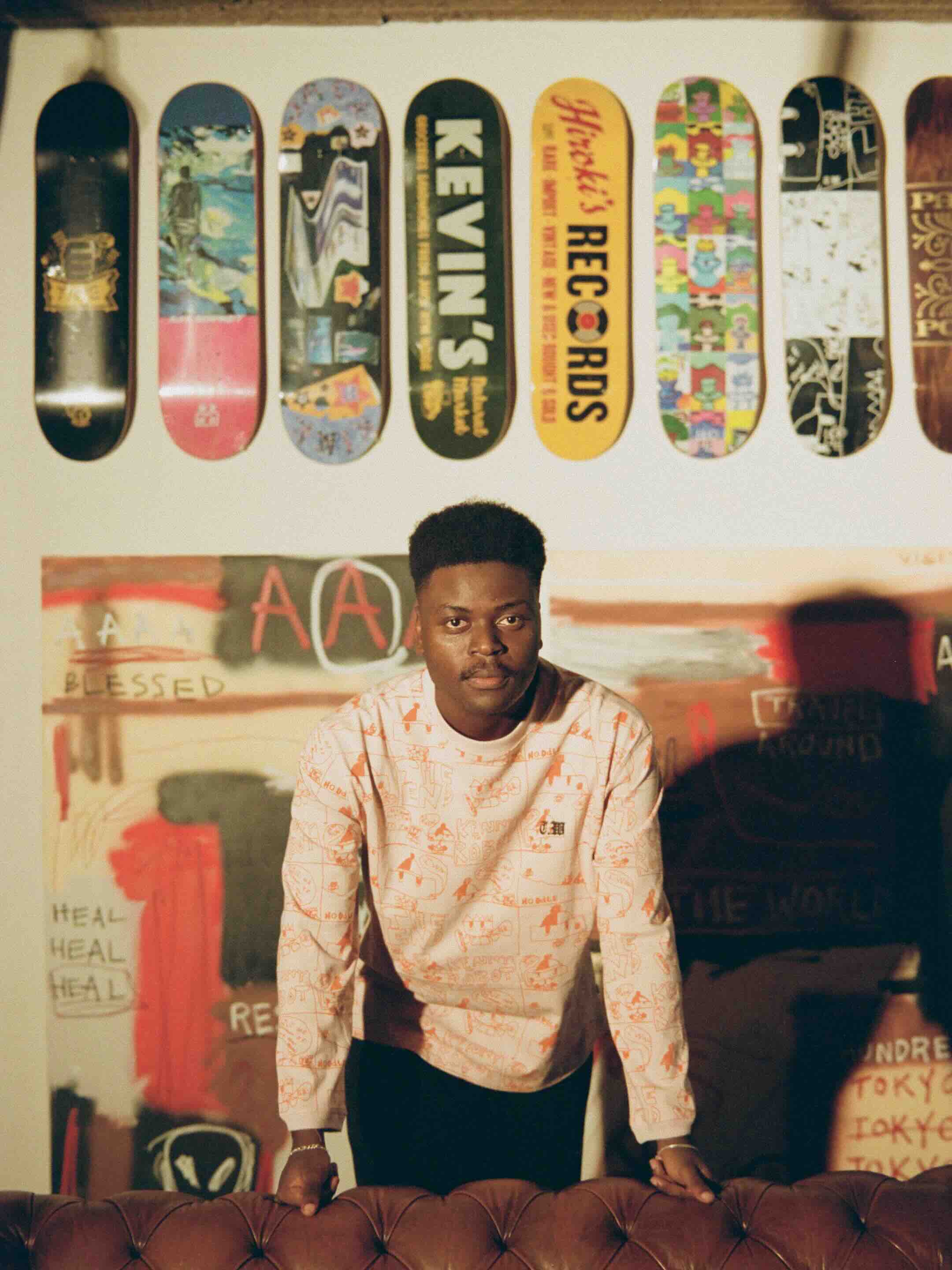
Iyunade Judah, known to most as Iyuna, is a filmmaker whose debut feature, Àwọ̀ Ojú Ọ̀run, began as a personal reckoning with a family silence and became something far larger. A film graduate and member of the Black Film Collective Winnipeg, Iyuna works across art direction, editing, and directing, building a body of work rooted in stories that go untold. His film premieres at this year's Prismatic Ground Festival, screening at the Anthology Film Archives in New York on May 2nd, 2026. Ahead of that, I sat down with him to talk about what it means to make something deeply personal, the chaos behind an elegant film, and why the smaller histories are the ones worth telling.

— Iyunade Judah, Directorial Statement
I'm a filmmaker. I also work in art direction, and I think if I wasn't making films, I'd probably be an art director for film. I'm part of the Black Film Collective Winnipeg, and I'm based in Canada. But my roots are Nigerian, and that's very present in my work.
It started with my grandmother. She moved to Lagos in the early 2000s and after two years or so, she went out one day and never came back. I was a child when it happened, and my dad's never spoken about it. My aunt had constructed a story that she ascended into heaven, that she had been praying and fasting, and that God had simply taken her. My grandmother was part of the early Aladura movement so from my family's perspective, it was plausible.
Then in 2020, I was speaking to my sister and we were talking about family things, and I told her about a dream I'd had, a very specific dream that felt like a message. She then told me the truth: the ascension story was not what happened. They just couldn't find her and everyone eventually made peace with it through that story.
I began to think about the idea of someone disappearing. What happens to the soul of a person who disappears? What happens to their memory when the people around them refuse to speak about them?
There's a film I saw where someone dies and they never explicitly say how the person died.
I wanted to do something similar, but in this case, by using water as presence without explanation. We had planned to shoot in a pool and had someone on set who gives swimming lessons, but logistically it kept falling apart. We were shooting independently in Canada, and by the time we had the space, it was already winter cold. Shooting in a public pool comes with a lot of policies and red tape, and we'd already missed two major funding opportunities. So instead, water found its way into the film by including a lake we shot in December when it was completely frozen. That image ended up being one of the most striking in the film.
I kinda understand the Wes Anderson reference. His style is flat, very contained. But when I think about that visual sensibility, I'm thinking about French filmmakers and certain African filmmakers. That kind of framing felt natural to me and it's a visual language I gravitate toward.
I worked on the art direction alongside my friend Ibraheem Shuaib, who is a sculptor and an artist. And there's Theo Thomas, who built several of the set pieces we needed. But the overall vision and direction was mine.
The wicker casket, specifically, I sourced from a funeral place in Vancouver. I still have it in my studio, actually.
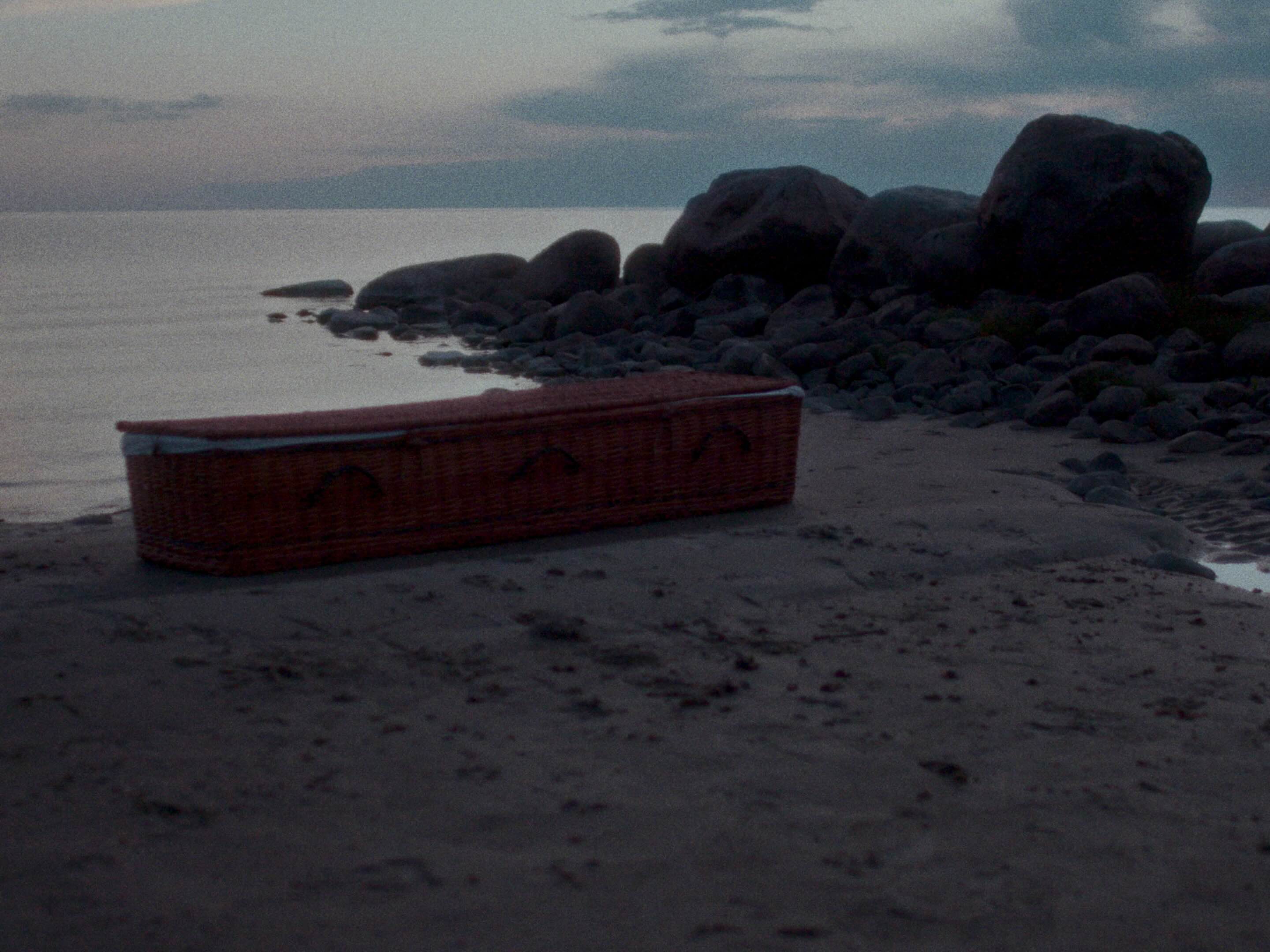
We had some dialogue in earlier stages but I felt like a lot of dialogue would have taken too much away from the scenes, so I stripped it back and kept the monologue. Honestly, the image was doing enough. When the image is strong enough, you have to trust it.
I didn't enjoy editing it. I kept thinking about a lot of things. It is a deeply personal film, and I wanted to make something really personal when I started making films. I'm interested in personal history, taking a private or family story and making it larger than life. The smaller histories are so often the ones that disappear. What's happening in a family, what's happening in a town, things that get swallowed by larger events. But that human scale is exactly what I'm interested in. A generation can be shaped by something that is never spoken about and never recorded. That's what the film is really about.
I've been posting more on social media, and I'm always pleasantly surprised by how critically people engage with independent, arthouse or third cinema films. People do want that kind of engagement. I think people yearn for education, for depth. The film is personal, but the themes of grief, memory, what we inherit from people we never got to mourn, those are universal themes. I don't think you need to share the specific cultural context to feel it.
---
The grandmother in Iyuna's family was never found. The film does not find her either. What it does instead is hold the space where she was, and ask the viewer to stay there. The smaller history it was built from has now been recorded.