Stay In This World
The stories, the culture, the conversations. Every week.
No spam. No third parties. Just Unruly.
The image-makers building a visual archive of African culture as it unfolds.

Across Africa and the diaspora, a new generation of photographers is capturing culture as it happens — not from the outside looking in, but from right inside it. From Lagos street style to intimate portraits and global fashion editorials, their images are shaping how contemporary African identity is seen and remembered.
If you’re paying attention to where photography, fashion, and culture meet right now, these are some of the names leading the conversation.
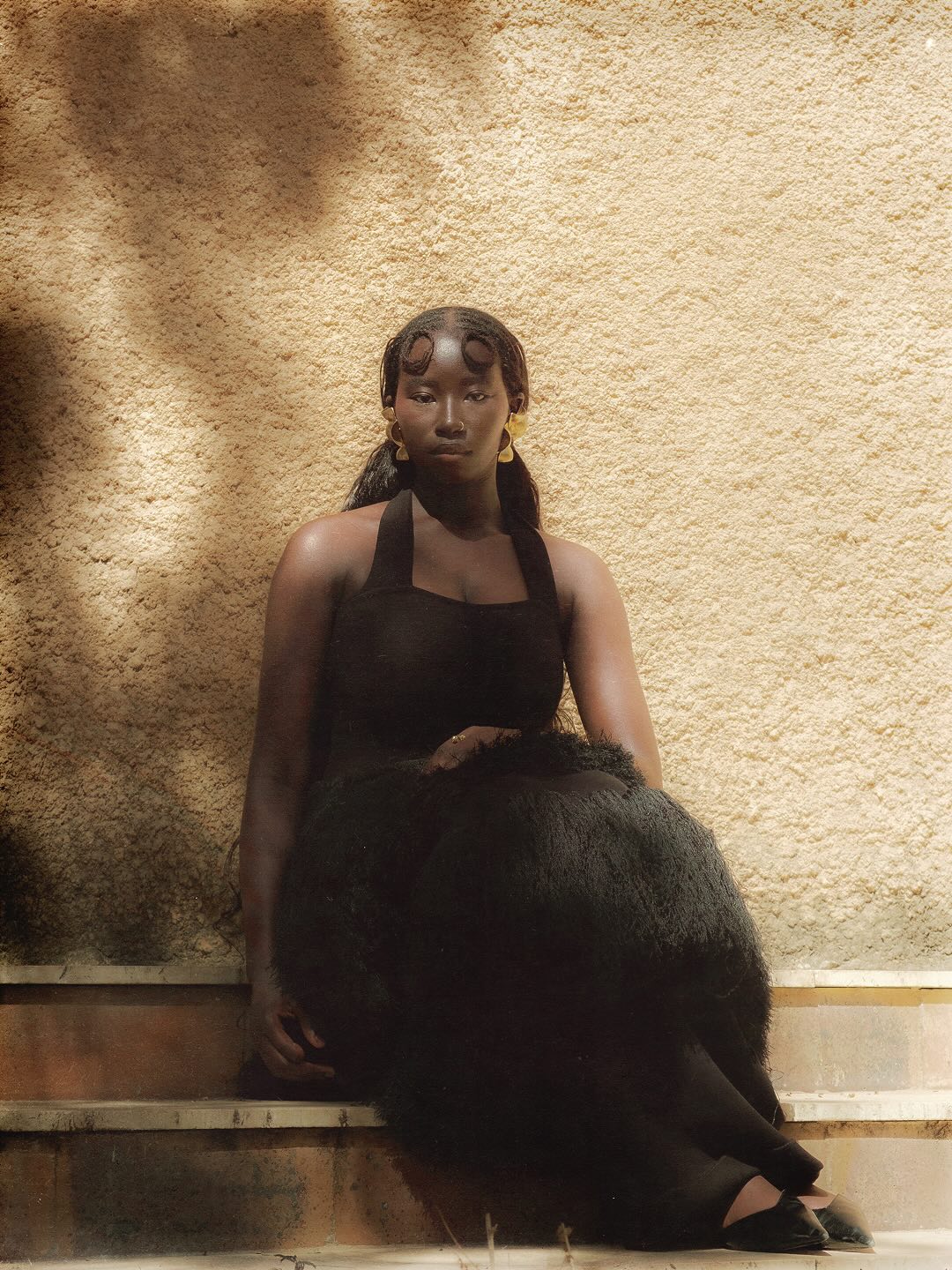
Sanjo Lawal is one of the most unconventional digital photographers working today, and he has never ceased to turn heads with his impeccable work. The Lagos-based photographer shoots entirely on an iPhone, which sounds unbelievable until you see what he does with it. His signature move transforms skin tones into near-charcoal depths, making the intense colours in his work radiate with striking contrast. It's a deliberate technique that fully celebrates African dark skin.
His most striking work yet is the use of fila and gele (Yoruba headgear worn by men and women, respectively), elevated to the status of crowns. These oversized, elaborately stacked headpieces are the beating heart of his Heavy Is The Head series, a visual love letter to the weight of responsibility carried across generations. His work has caught the attention of the international art world, winning the Hiscox Assurances Award at AKAA Art Fair Paris, where he was also selected as the fair’s central image artist. In 2025, he became the first fine art photographer featured in Rolling Stone Africa’s limited edition magazine.
The secret of his aesthetic lies in the fusion of photography and found materials — recycled surfaces, paint, collage — with African mythologies and spirituality in direct conversation with contemporary urban realism. He describes his process as 70 percent photography and the rest digital painting and editing. The result exists entirely in a realm of its own.
Zanele Muholi is widely recognised as one of the most important visual activists working today. Born and raised in Durban, South Africa, Muholi uses photography to document and archive Black LGBTQ+ communities whose stories have historically been erased.
Their long-running project Faces and Phases, begun in 2006, has grown into one of the most significant photographic archives of Black queer life in the world, featuring hundreds of portraits across South Africa and beyond.
Muholi later turned the camera on themselves with Somnyama Ngonyama (“Hail the Dark Lioness”), a series of striking self-portraits that confront race, labour, and colonial imagery using everyday objects as sculptural props. The work has since been exhibited globally, including a major retrospective at Tate Modern.
Lakin Ogunbanwo has built one of the most distinctive visual languages in contemporary African photography. The Lagos-born photographer is known for portraits that are both seductive and enigmatic — faces obscured by hats, balloons, fabric, or shadow, leaving posture and styling to carry the story.
Before photography, Ogunbanwo trained as a lawyer, and that sense of structure still runs through his work. His series, Are We Good Enough? explores the cultural significance of traditional Nigerian hats across ethnic groups, transforming everyday headwear into powerful symbols of masculine identity. Another major body of work, E Wá Wo Mi, Yoruba for “Come Look at Me,” dives into Nigerian wedding culture, presenting veiled brides and ceremonial details through rich jewel-toned palettes that feel almost Renaissance-inspired.
Today, Ogunbanwo’s photographs have travelled far beyond Lagos, landing in collections at the Victoria & Albert Museum, the Smithsonian National Museum of African Art, and the National Gallery of Victoria.
Sarah Waiswa traded a corporate career in the United States for a camera and a new life in East Africa, and the photography world is better for it. She is a self-taught photographer who documents the lived social experiences of Africans. Born in Uganda and educated in sociology and psychology, she returned to the region and began building a portrait practice exploring identity and belonging.
Her widely recognised series Stranger in a Familiar Land follows Florence Kisombe, a woman with albinism, photographed captured within the Kibera slums in Kenya. Waiswa developed the project to raise awareness after reading a newspaper article about the treatment of albinos in Tanzania.
The project won the Rencontres d’Arles Discovery Award, one of the world’s most prestigious photography festivals.
Andrew Esiebo is one of the most important documentary photographers to emerge from Nigeria in the last two decades. What makes his work remarkable is not just the range of stories he captures, but the patience with which he approaches them.
Esiebo received his first camera in 2000 and taught himself photography while documenting the shifting rhythms of Lagos. Since then, his work has covered everything from football culture and spirituality to migration, masculinity, and urban youth life. One of his most compelling projects, Pride, looks at the social and cultural role of barbershops across West Africa — spaces where men gather, debate, perform identity, and build community.
His work has appeared at the São Paulo Biennial, Tate Modern, and the Saatchi Gallery, as well as in publications like National Geographic and the Financial Times. Through it all, Esiebo has remained deeply committed to documenting the everyday spaces where culture quietly takes shape.
Nadine Ijewere changed the face of fashion photography almost overnight. In 2019, the London-born photographer became the first woman of colour to shoot the cover of British Vogue, capturing Dua Lipa, Letitia Wright, and Binx Walton for an issue edited by Edward Enninful that celebrated a new generation of creatives.
But Ijewere’s work had already been reshaping fashion imagery long before that moment. Born to a Nigerian father and Jamaican mother, she grew up rarely seeing the kinds of faces she knew reflected in magazines. In her bid to create what she wanted to see, she then went on to capture women as she knew them.
Her images are rich with colour, softness, and warmth — freckles, natural hair, and multicultural identities presented with the kind of beauty usually reserved for high fashion editorials. Today, her work regularly appears in Vogue, i-D, and The New York Times Magazine, quietly expanding what fashion photography looks like.
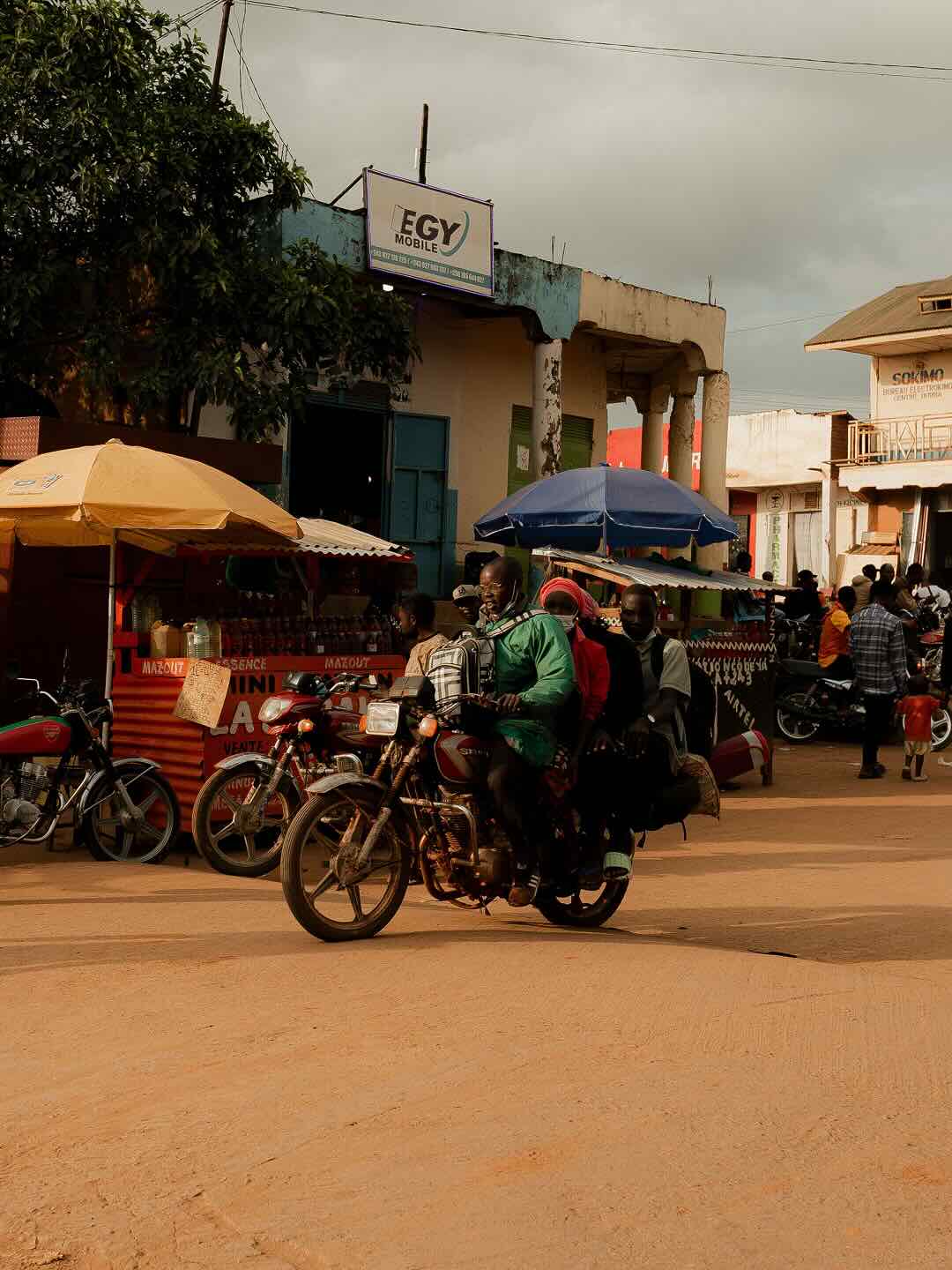
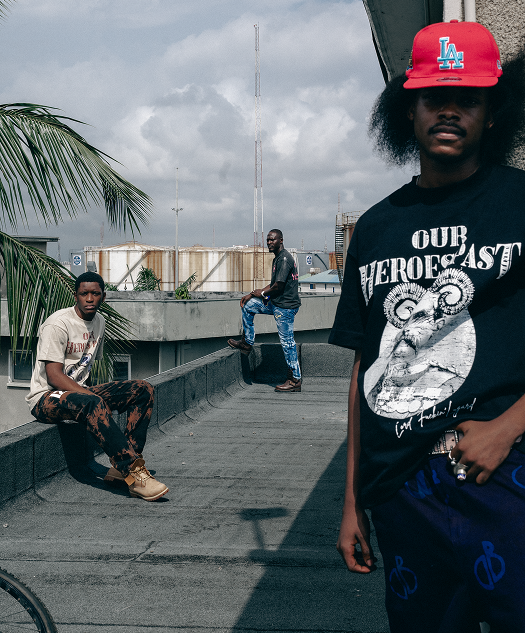
Stephen Tayo has become one of the sharpest visual chroniclers of Lagos style. Born in Ikere-Ekiti and raised in the city, he built his reputation photographing the fashion ecosystem unfolding across Lagos streets: okada riders, market traders, and teenagers experimenting with colour and tailoring.
By 2019, his eye had already caught the attention of international editors, landing him on the Dazed 100 list and commissions from Vogue and The New York Times. But Tayo’s work moves beyond street style documentation.
His series Ibeji, which explores the sacred place of twins in Yoruba spirituality, was exhibited at Palais de Tokyo in Paris, while his project What If? — an intimate portrait series with Lagos drag performers appeared in the Victoria & Albert Museum’s Africa Fashion exhibition. The common thread through all of it is specificity: his photographs are unmistakably rooted in Lagos.
Joana Choumali’s work proves that photography can also be a form of healing. In the weeks following the 2016 terrorist attack in Grand-Bassam, Côte d’Ivoire, the artist began photographing the town during early morning walks.
Later, she began to overlay the photographs with textiles, embroidery, cutout images, and gold paint. Each stitch became part of the process of processing grief.
The resulting series, Ça Va Aller (“It Will Be Okay”), transforms documentary photography into something tactile and deeply personal. In 2019, she went on to win the Prix Pictet, one of the most respected awards in contemporary photography, making Choumali the first African artist to receive the prize.
Ruth Ossai’s photographs feel like stepping into a vibrant Nigerian family album. Born in Nsukka and now based in the UK, she draws heavily from Igbo ceremonial culture, Nollywood aesthetics, and the playful theatrics of Nigerian studio photography.
Her portraits are filled with bold fabrics, painted backdrops, plastic flowers, and dramatic poses that echo the visual language of 1970s portrait studios. Weddings, birthdays, and family gatherings become colourful tableaux of community and celebration.
Ossai once described herself as an “Igbo/Yorkshire warrior,” and that dual identity runs through her work with images rooted deeply in Nigerian tradition but speaking just as loudly to the diaspora.
Omar Victor Diop has a way of making history feel visually irresistible. The Senegalese photographer first gained global attention with Studio of Vanities, a portrait series that placed contemporary West African creatives inside colourful studio sets inspired by classic African portrait photography.
His breakout project, Diaspora, pushed things further. In the series, Diop recreates portraits of historically significant Black figures who lived in Europe between the 15th and 19th centuries — diplomats, scholars, and soldiers often erased from mainstream history. Playing each subject himself, he appears in period costume while wearing football gloves, a subtle reference linking centuries of Black migration to the global presence of African athletes today.
With jewel-toned backdrops, theatrical lighting, and meticulous styling, Diop’s photographs sit somewhere between fashion, history, and portraiture — a visual reminder that African stories have always been part of the global narrative.
These photographers represent more than a trend in contemporary art. They are building a living archive of African life by documenting fashion, resistance, spirituality, identity, and everyday beauty with nuance and authority.
Their photographs travel across the world, shaping how Africa is seen today. But more importantly, they are creating images that future generations will look back on to understand what this moment felt like.