Stay In This World
The stories, the culture, the conversations. Every week.
No spam. No third parties. Just Unruly.
In a society searching for escape, what happens when the art we consume stops reflecting the realities we live in?
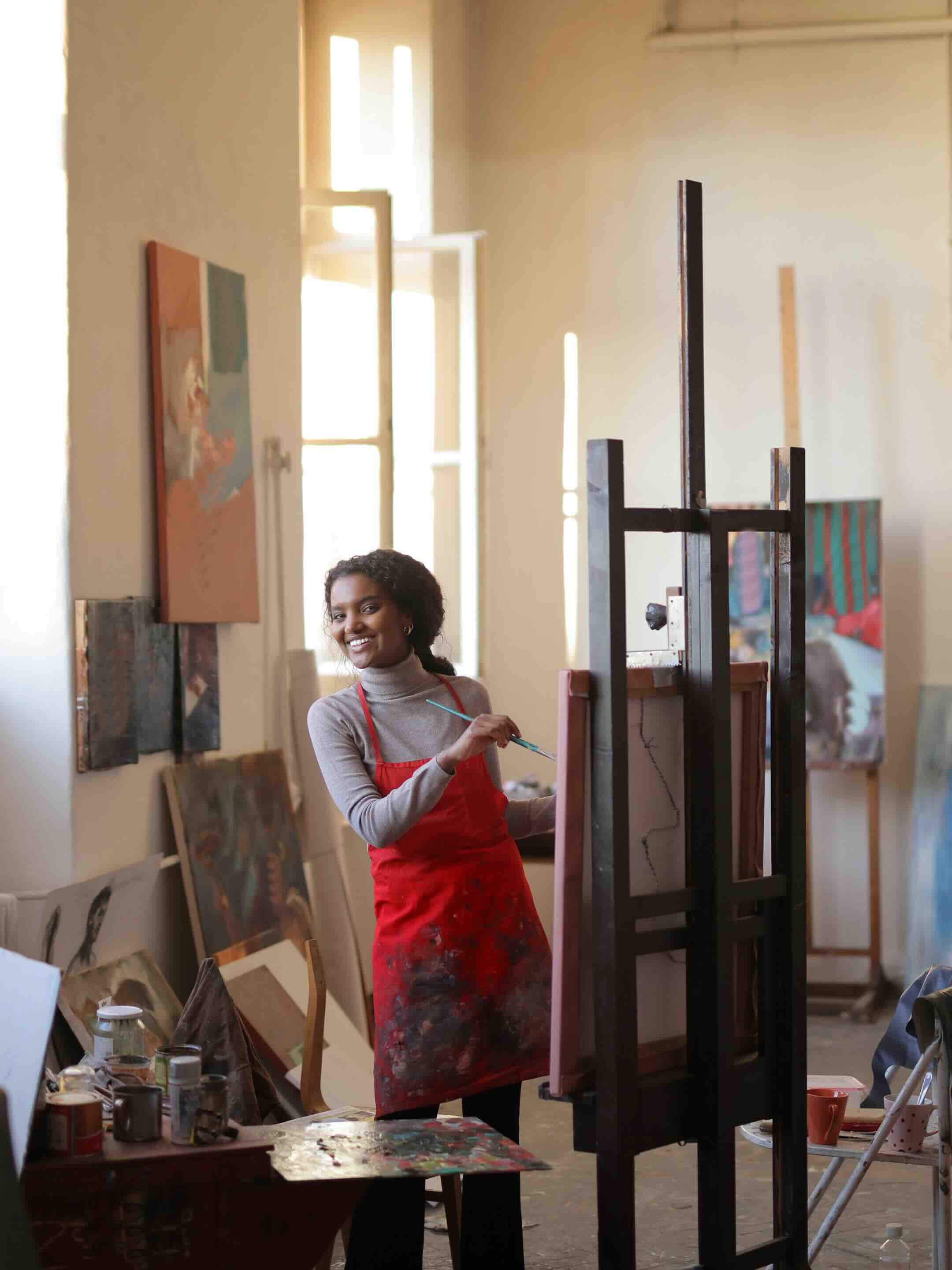
Colonialism, neocolonialism, the transatlantic slave trade—there are so many reasons why there isn’t much progress in terms of standard of living and even cost of living within the African continent. Yet, these mustn’t become handicapped points, conveniently invoked to evade the responsibility that we all share.
Nigeria, a country culturally rich and naturally resourceful, ranking 15th among the world’s oil-producing countries, still manages to rank 56th among the poorest countries. These are more than statistics; everyday life reflects this disparity, and none of it is alien.
Within all of its pain and suffering, there coexists glamour—the aspirational kind. The kind every onlooker seeks as a means of escape from a repressive system. And this aspirational glamour is championed heavily by the entertainment industry.
Well, one would wonder: what does this have to do with anything? Is this an attempt to absolve bad governance and choose a new victim to blame?
Certainly not.
However, there is something particularly missing in the art predominantly distributed through everyday society that shapes how we, the masses, see ourselves and our reality—almost unintentionally.
This is no claim that the entertainment industry and the artists who champion it are in on some state-level secret. But there is an evident contrast between the characters then and now, and that difference is a lack of representation.
“An artist's duty, as far as I'm concerned, is to reflect the times.” — Nina Simone
Think about Fela Kuti and a host of his counterparts, from Ngũgĩ wa Thiong'o to Ousmane Sembène, who not only used their art as a form of self-expression but actively implemented it in the liberation struggles happening in their own societies.
Certainly, not everyone—particularly artists and creatives such as writers, filmmakers and novelists—should become political critics. But there needs to be a consciousness of the times. It is ignorant to say that artists shouldn’t concern themselves with politics and should simply focus on creating their art.
It is definitely harder to take a public stance against oppression and subjugation. Doing so can mean risking one's livelihood for people who may not even be ready to take a stance for themselves.
Still, artists should reflect the times, so much so that their art isn’t just relating to the everyday suffering of the commoner, but actively helping to shape the ideology around matters of importance—national importance.
But isn’t it easy to say some other person should bear the responsibility of representing the masses? Risk their access and achievements for The Cause.
That is dishonest.
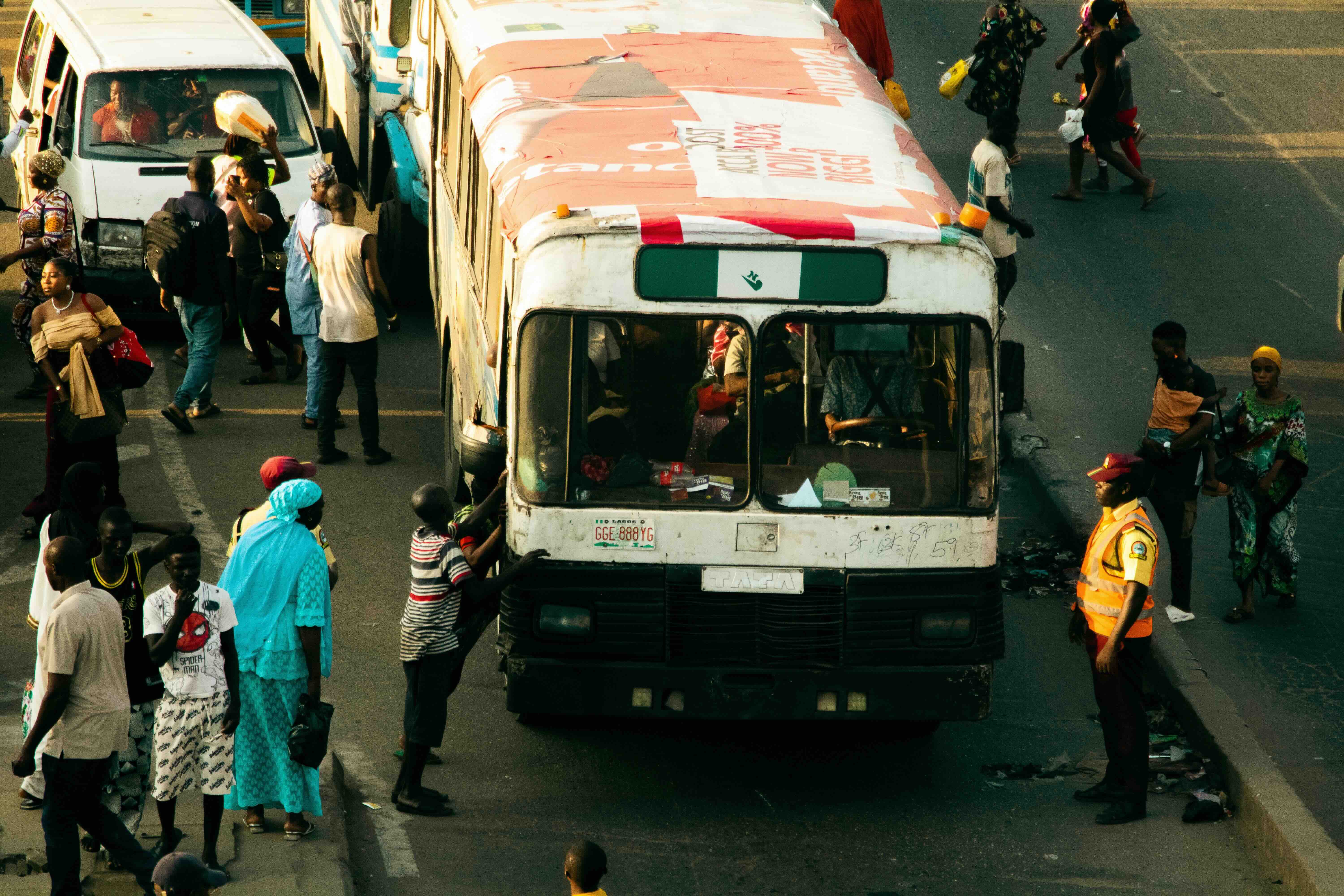
The common person is a creative in some sense, not necessarily because they practise a creative trade, but because they are conscious of how art, culture and people mix with cause and effect to establish a reality. We are all socially engaged, whether we recognise it or not.
A good example of this relationship between art and civic consciousness exists across the border in Senegal, in the work of the hip-hop group Keur Gui.
Keur Gui were not simply musicians who happened to make political songs. Their work became entangled with the political consciousness of a generation, particularly during the protests surrounding Abdoulaye Wade's attempt to seek a third presidential term in 2012. Alongside other artists, they helped create Y'en a Marre, meaning “Fed Up”—a civic movement that mobilized young Senegalese around political participation and accountability.
What makes the story particularly interesting is that the artists did not abandon their art to become activists. Their art became the vehicle through which their activism travelled. Music gave the frustration a language; the language gave people something to identify with; and that identification became collective action.
So, the responsibility of an artist is not necessarily to produce manifestos or stand behind a microphone and tell people how to vote, but it is to remain conscious of the society from which their material comes.
Keur Gui demonstrates what happens when the distance between culture and civic life becomes deliberately narrow. Their example does not mean every Nigerian musician should become Fela, every filmmaker should become Sembène, or every writer should become a political dissident.
It means that art does not exist outside the conditions that produce it.
But again, it is too convenient to place all of this responsibility on the artist.
We, the audience, are not merely an audience. We are participants in culture; it is we who decide what becomes popular by what we repeatedly consume, celebrate, imitate and circulate. We turn musicians into icons, actors into cultural references and fictional characters into models for what success, romance, wealth and even happiness should look like.
That means the common person is a creative in some sense—not necessarily because they paint, write songs or make films, but because they participate in the construction of meaning.
Culture does not move in one direction. Artists influence the public, but the public also tells artists what is worth making. What becomes profitable gets repeated. What gets celebrated becomes aspirational. What gets ignored gradually disappears from the cultural imagination.
This is why the absence of certain realities from popular art matters, especially now.
Our society is struggling with unemployment, poor infrastructure, insecurity, inflation, inequality and the erosion of public institutions, yet its most visible cultural products continually present wealth, consumption and escape without interrogating the conditions producing that desperation; this proves something is lost, or perhaps it is intentionally removed.
Also, the people do deserve some reprieve, something to hold hope together. Sometimes you need the music, the fashion, the film, the football match, the party—the temporary suspension of reality.
But escape cannot be the only cultural response to reality.
At some point, someone has to look at the thing everyone is escaping from.
Perhaps that is what Nina Simone meant when she said, “An artist's duty, as far as I'm concerned, is to reflect the times.” To reflect the times is not necessarily to reproduce suffering. It is to recognize it first and then deliberately reflect it with one's medium.
It is to understand that art is not produced in a vacuum, and that the things we repeatedly see, hear and celebrate become part of how we understand the world around us.
Fela understood this. Sembène understood it. Ngũgĩ understood it. Keur Gui understood it in their own time and place.
Their examples do not create a rule that every artist must follow. They create a question that every generation of artists eventually has to answer:
What are we making people see?
And perhaps, more importantly:
What are we making them stop seeing?
There is no expectation that every creative should sacrifice their career for a cause. There is no romantic virtue in poverty, censorship or persecution, and it would be dishonest to pretend that taking a public stand carries no consequences. Artists are people before they are symbols, and they have every right to protect their livelihoods.
But neither should we pretend that culture is socially neutral.
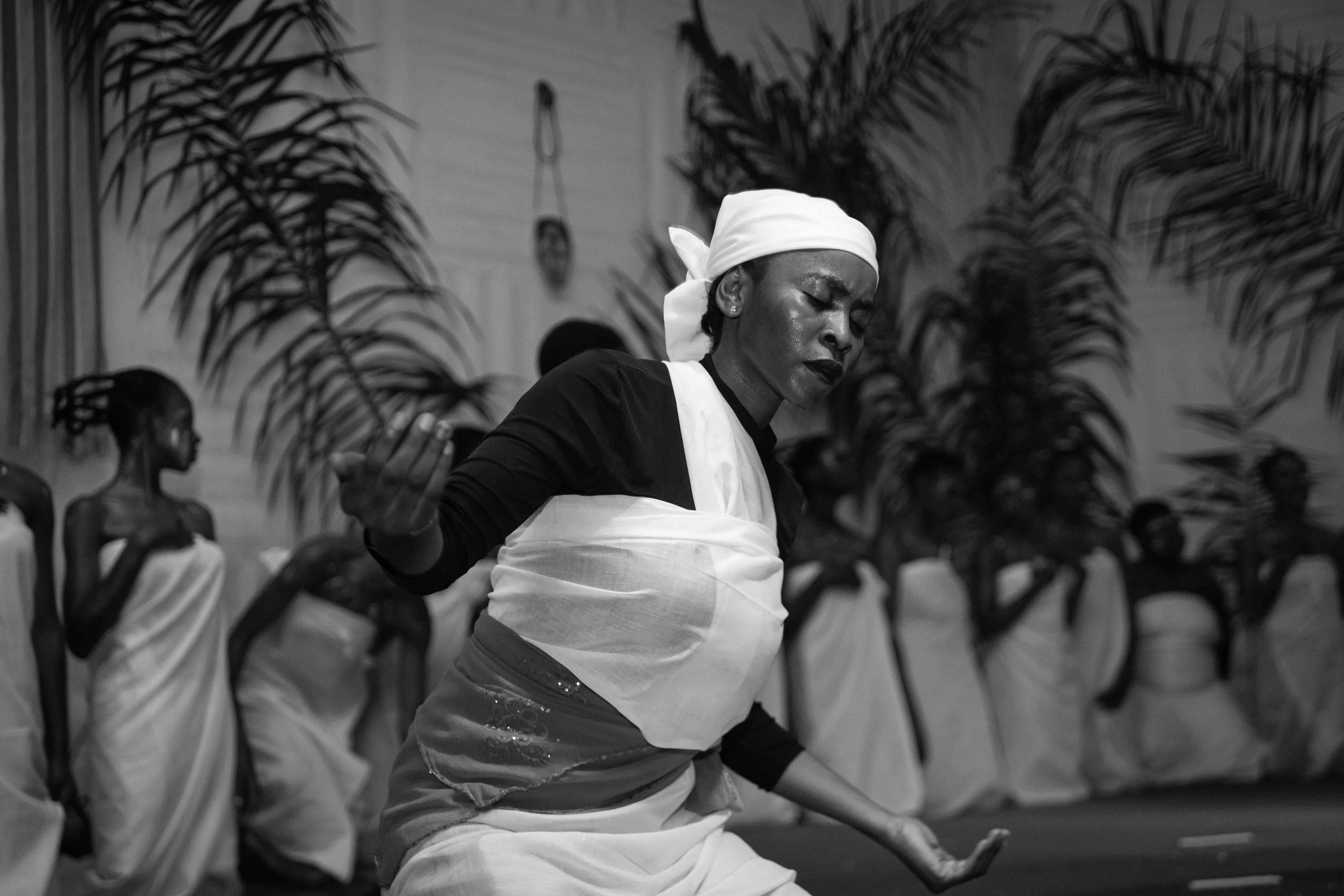
Every generation leaves behind more than its governments and institutions. It leaves behind the stories it told about itself.
So, when future generations look back at ours, what will they find?
A people who suffered and found ways to laugh?
A people who escaped into glamour because reality became unbearable?
Or a people who, despite everything, were conscious enough to make something of their own reality—and perhaps change it?
Stay Unruly. Stay Fly.