Stay In This World
The stories, the culture, the conversations. Every week.
No spam. No third parties. Just Unruly.
Before I understood what a museum was, I think I had already entered one.
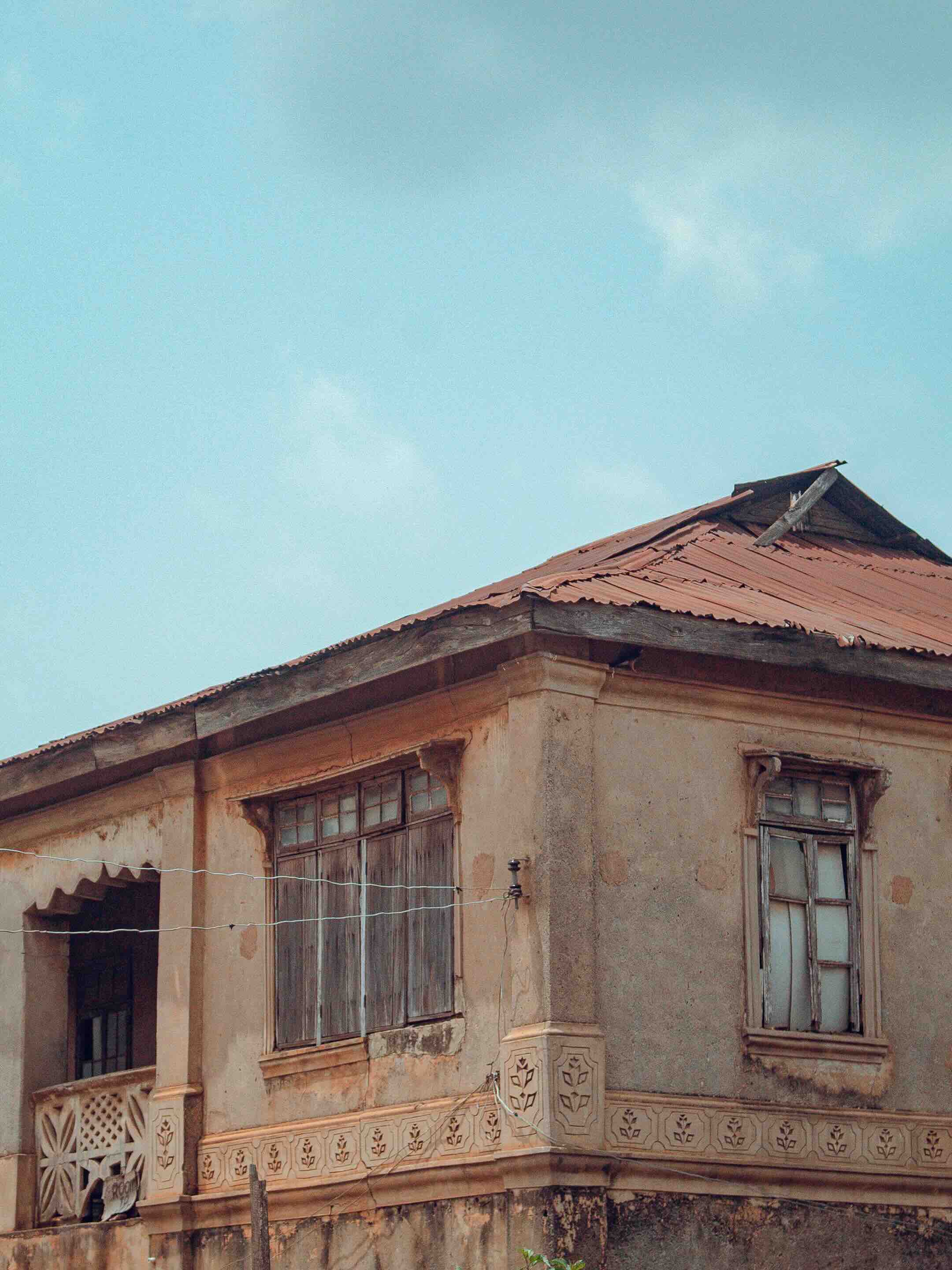
It was my grandmother’s house. I did not know to call it an archive then. I only knew that certain things were never thrown away. There were Abo Ajase pots that had outlived the hands that once used them. Framed photographs held faces I recognised only because someone had explained who they were.
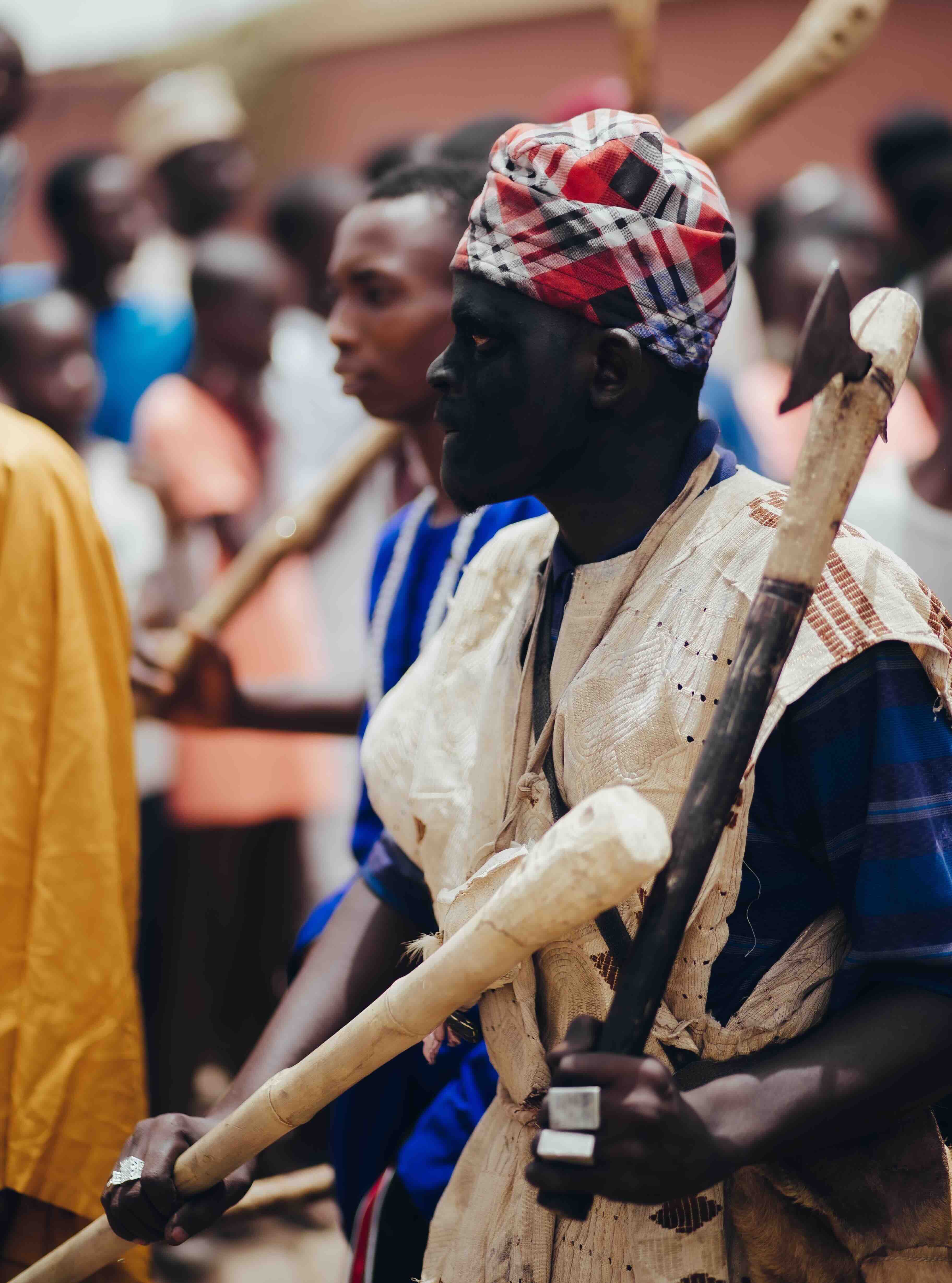
There were colorful pieces of aso-oke, cooking utensils, old household objects and things whose importance seemed impossible to measure by their monetary value. They were simply things that had remained in the family. But each object seemed to carry a story: who had used it, where it had come from, what it had witnessed and why someone had decided that it was worth keeping. As a child, I did not understand this as preservation. I understood it as my grandmother being unwilling to throw things away. I have come to see it differently.
Perhaps the Nigerian home is one of our most overlooked museums. Not a museum in the institutional sense, with catalogues, climate-controlled rooms and carefully written labels, but a living archive where history survives through use, memory and attachment. Its objects are not always protected because they are officially considered heritage. They survive because someone remembers them, values them or simply cannot bring themselves to discard them. The more I think about my grandmother’s house, the more I think about the people who live among these archives without necessarily recognising themselves as custodians. That question became more personal during a Curating workshop I attended in April, when I encountered artists whose practices made memory and material inheritance feel less like abstract art-historical concepts and more like things I already knew. One of them was Kelani Abass.
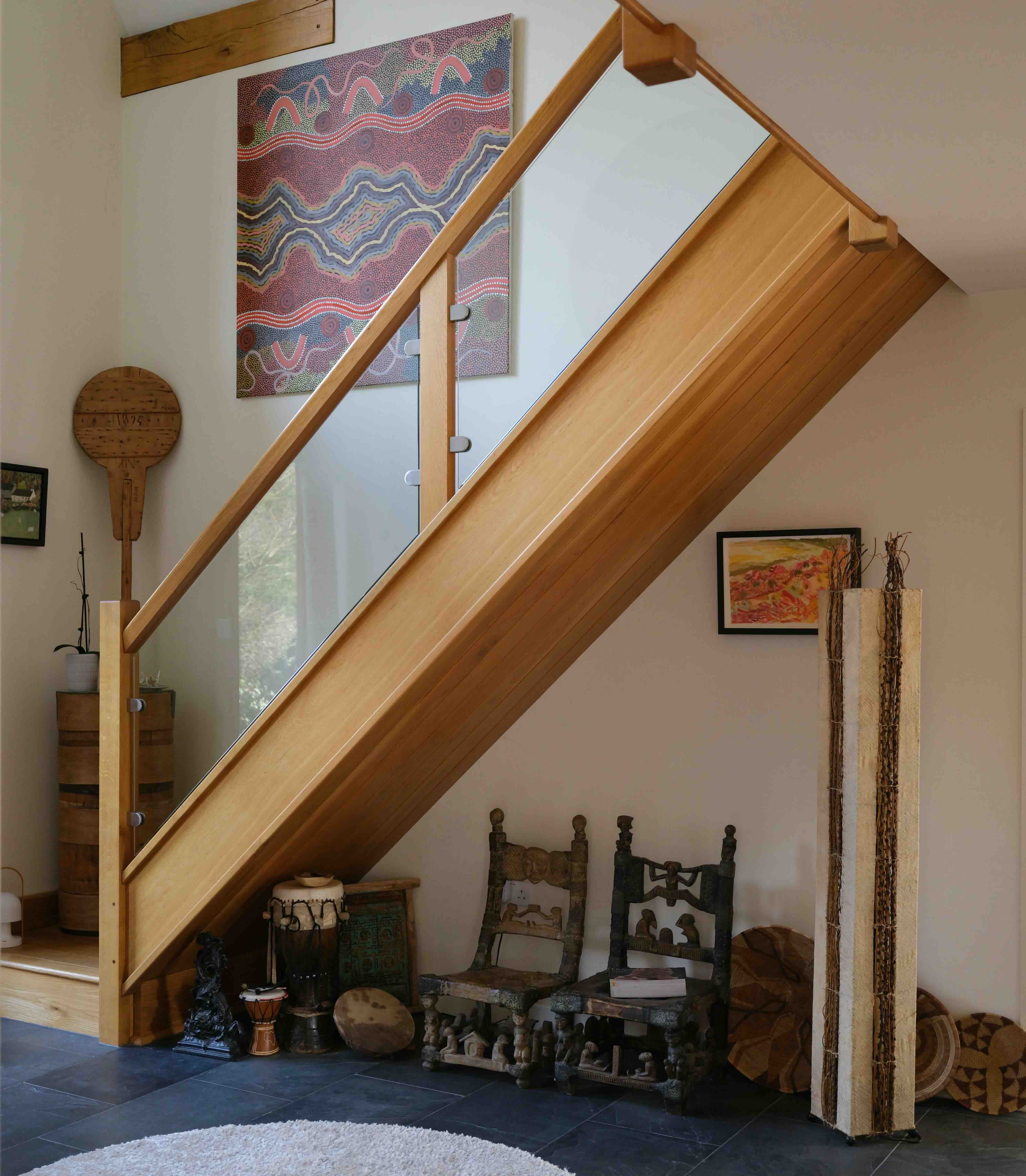
During our visit to his studio, Abass described himself as a custodian of everything his parents had left behind. The word stayed with me: custodian. Not owner. Not collector. Custodian. It made me think about the difference between keeping something and caring for its memory. Abass’s practice begins, in part, from the materials that remained within his own family: photographs, printing materials, handwritten texts, books and other fragments of domestic history. In Casing History, Spilling Memories, these materials become more than evidence of a family past. They become a way of thinking about how personal memory enters larger histories. There are prayers, anecdotes, incantations and recipes alongside images and objects. The family archive becomes a site where history is not simply stored but interpreted, reassembled and made visible. What interests me is not only that Abass preserves his family history. It is that he makes us look at what a family history is made of. A photograph. A recipe. A prayer. A handwritten page. A printing case. A sentence passed between generations. A thing someone decided was worth keeping.
Standing in his studio, I began to think about my grandmother’s house differently. The objects I had grown up seeing were no longer just background to family life. They were evidence of it. This is one of the strange things about familiarity: it can make us blind. We often recognise the value of an object only when it has been removed from the environment in which we encountered it. Put a Nigerian cooking pot in a museum and it can suddenly acquire a date, a catalogue number, a cultural description and an institutional value. In a grandmother’s kitchen, it may simply be the pot that has always been there. But what happens between those two ways of seeing? Who decides when an everyday object becomes heritage? And what happens to the histories that never make it into museums These questions became even more complicated when I thought about photographs.
Family photographs are everywhere in Nigerian homes. They appear in frames on walls, inside albums, in drawers, between pages of books and increasingly in the thousands of images stored on our phones. Yet photographs are fragile forms of inheritance. A photograph can survive while its context disappears. The faces remain, but the names are forgotten. The location is uncertain. The occasion becomes a mystery. The person who could explain the photograph dies, and suddenly an image that once carried an entire story becomes only an image. This is why the work of artists who pay attention to domestic and vernacular archives matters to me.
It is why my encounter with Ayobami Ogungbe during the workshop stayed with me. Ogungbe's practice in Home: Lagos moves between photography, archival images, textiles and weaving, bringing domestic materials into conversation with each other in ways that refuse to let them remain as background items. A photograph placed beside a piece of woven fabric is no longer just a photograph. The textile reframes it, and the photograph reframes the textile. What emerges is not a record of a home but an argument about how homes hold memory, how the objects inside them are always in relationship with each other, always doing interpretive work that we rarely pause to notice.
This is what I mean when I say the home can become a historical site. Not just because it contains old things, but because it contains things in relationship. The archive is not the object. It is the connection between objects, and between objects and the people who remember what they mean.
This matters because so much of what we call Nigerian history has been preserved outside formal institutions. It exists in kitchens. In wardrobes. In family albums. In sewing boxes. In old houses. In recipes remembered rather than written down. In stories repeated at family gatherings. In the names given to children. In the way an older woman folds a piece of cloth before putting it away. In the objects that nobody can quite explain but nobody wants to throw out. There is a person missing from many conversations about archives: the person who keeps them. Often, that person is a woman.
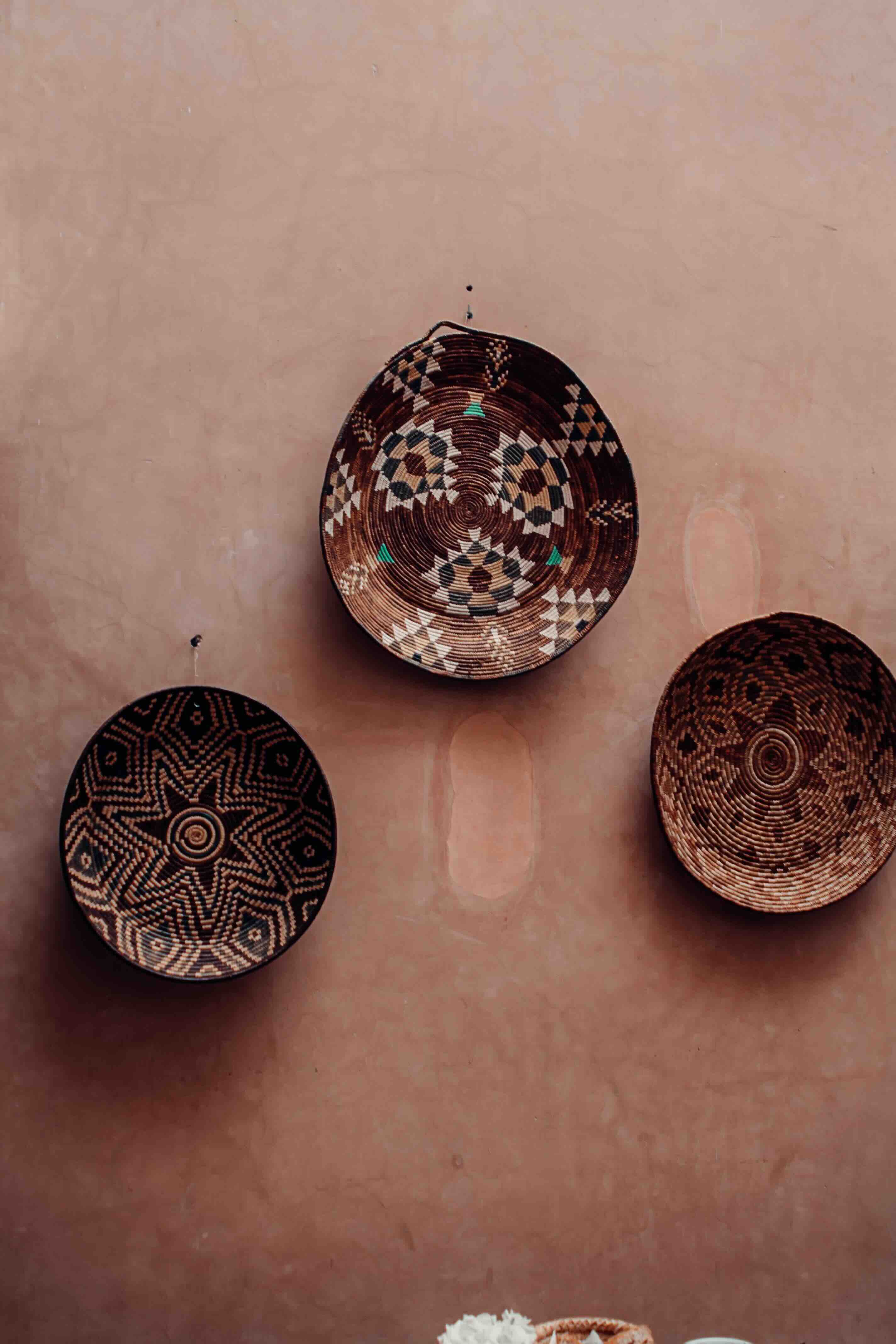
Women have historically carried enormous amounts of domestic knowledge without necessarily being recognised as archivists. They preserve clothes, photographs, recipes, household objects, stories and traditions while performing the ordinary work of keeping families together. The labour can appear insignificant precisely because it is ordinary. My grandmother did not have an archival policy. She did not write accession numbers on her pots. She did not create a database for the photographs in her house. She simply kept things. But keeping is not always passive. Sometimes keeping is a form of remembering. And sometimes remembering is a form of resistance against disappearance. This is where the idea of the home as a museum becomes more complicated.
Museums decide what deserves preservation through systems of selection, classification and interpretation. Families do something similar, but their criteria are often emotional. An object may survive because it belonged to someone loved. These objects may have little institutional value, but they possess another kind of significance: they hold relationships. Their meaning is not always contained within the object itself. It exists in the stories attached to it. That is why loss of context can be as devastating as physical loss.
A photograph does not have to burn for a history to disappear. Sometimes all it takes is for the last person who remembers its story to die. I think about this whenever I look at the objects in my grandmother’s house. But memory rarely announces when it is about to become inaccessible. We often assume there will be another opportunity to ask. Another visit. Another conversation. Another Christmas or Ileya (Salah). Another afternoon in the house. And then there isn't.
Perhaps this is why Abass’s description of himself as a custodian stayed with me. To be a custodian is to recognise that inheritance comes with responsibility. You do not simply receive something. You become responsible for what it means, what it contains and whether its story survives you. That responsibility is also visible in Ogungbe’s engagement with domestic memory. The home is not treated merely as a backdrop to artistic production. It becomes material: something to investigate, reconstruct and translate. In both practices, memory moves through things. The archive is not necessarily a building. Sometimes it is the object sitting quietly in the corner of a room. And sometimes it is the person who still remembers what that object means.
This changes the way I think about museums. Perhaps the museum is not only the institution that preserves the past. Perhaps it is also any space where people decide that something should not disappear. Seen this way, my grandmother’s house was not valuable because every object inside it was historically significant. It was valuable because the house created a relationship between objects and memory. The things inside it told us that people had lived before us. The objects were fragments, but together they formed a kind of family history. And maybe inheritance is always made of fragments.
We rarely inherit a complete story. Our responsibility is not necessarily to reconstruct everything perfectly. It may simply be to pay attention. For me, this recognition has changed the way I look at my grandmother’s house. I wish I could return to it with the eyes I have now. I would look more carefully. I would ask more questions. I would take photographs not only of the people but of the things around them. I would listen to the stories that might once have seemed too ordinary to record. Because perhaps that is what being a custodian means. Not merely keeping the things. Keeping the questions alive.
The Nigerian home contains histories that may never enter a museum. Some will disappear when houses are demolished, families relocate, photographs fade or objects are discarded because nobody remembers why they mattered. But some histories can survive if we choose to look differently.