Stay In This World
The stories, the culture, the conversations. Every week.
No spam. No third parties. Just Unruly.
African fashion in the diaspora and what it means to connect through clothing.
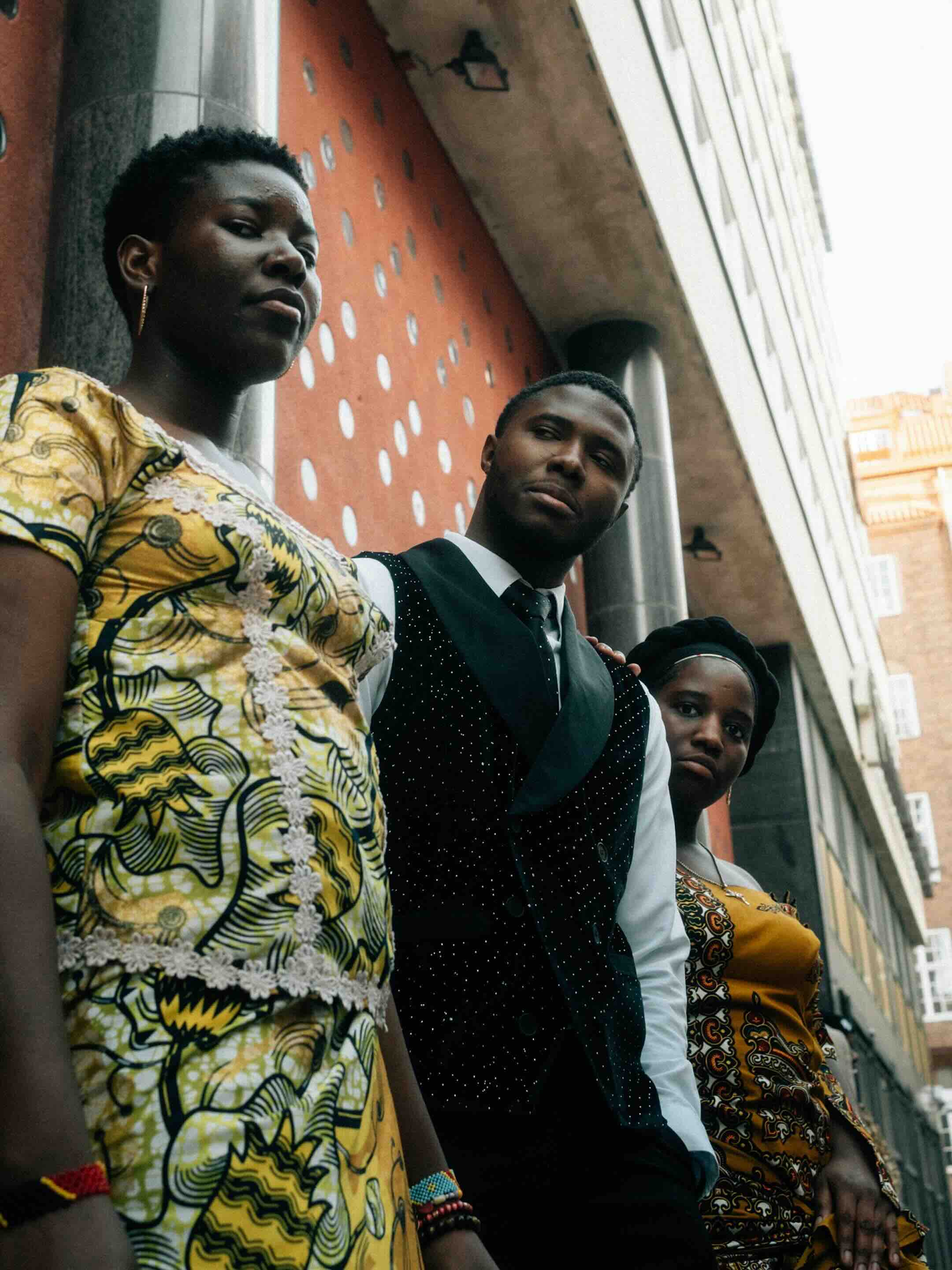
In recent months, there has been a slew of popup shops featuring exclusively African & Nigerian designers across London. For those of us who have diligently scoured brand pages online, our commitment has paid off, and we now get to physically shop the designers we’ve followed and loved for years.
So I took the opportunity & headed down to one; and safe to say, it was an interesting experience. Not because of anything negative, but because of everything it signified: a British born Yoruba girl, raised on foreign land, speaking a foreign language, trying on materials that connect me to my homeland while having only experienced mere fragments of said homeland.
Where my distance from home has been a source of shame in the past, buying & wearing these items gave me the opportunity to communicate something different. To communicate belonging and re-defining of self, not based on borders but on a fixed heritage that persists even when location doesn’t.

There are countless adages that speak to the power of fashion in one’s self-presentation.
At the heart of them all is the consciousness that what you wear speaks volumes for you before you’ve even opened your mouth. Your clothes are a reflection of who you are & where you’re going, and as Africans, this often translates beyond us as individuals & out into our community.
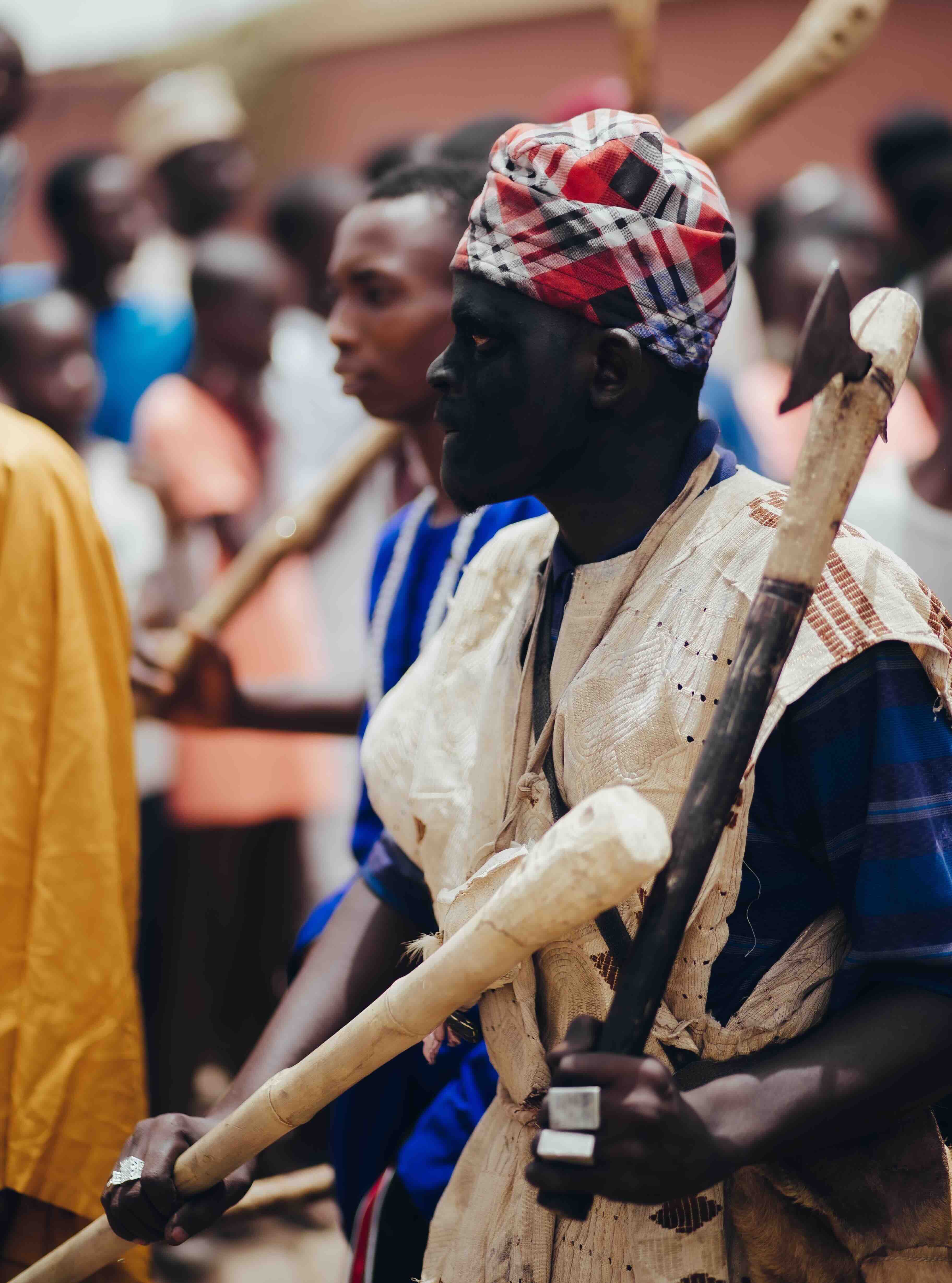
For Nigerians, aso ebi is evidence of the family you belong to, or the family you are joining; for men, the tilting of your fila communicates what category you fall in: single and searching or taken, and for others, the shade of your coral beads signifies whether you are royalty or mere mortal.
It’s a science that many of us have mastered, and that masters how we show up in the world. Fashion has become a guide to self-definition and drawing the lines between who you are, and who you aren’t. But what happens for those of us who sit in the balance? For those of us who are constantly redefining self? For those of us whose identities are blurred or compromised because of factors out of our control?
These are questions our parents must have been asking themselves, as evidenced by the childhood photos of us dressed in traditional clothing, images that seemed to decorate living rooms across the diaspora. There was an understanding that though we may be second generation, living in the West, we cannot forget where we came from- and clothing was the best approach to tell that cautionary tale.
“Sometimes connection isn’t found in a conversation, it’s found in recognising something familiar. A fabric, a silhouette, a designer or even the way someone styles a piece. You suddenly feel like you’ve found your people without anyone having to explain it”, says Tess, the founder of online shop Moda54, committed to bringing African fashion to the doors of shoppers in the UK and beyond.
Though clothing may have the ability to make one feel at home, the relationship between what we wear and who we are is more complicated than it first appears. Fashion theorists have long argued that what we wear is part of a social game, one where our public appearance is often more about who or what we aspire to be, rather than what we already are. As fashion theorist Maria Mackinney-Valentin puts it, the sartorial self is public, and only in part, an extension of the private self. For diaspora babies standing in a popup shop in London, pulling on an adire set or reaching for an aso-oke fabric, this distinction matters. The clothes may signal belonging, but the longing they express is also, quietly, an aspiration toward a version of home that was never fully inhabited.
So this creates a tension for diaspora babies- we may wear the clothes, we may want to re-define ourselves through the clothes, and feel connected to our cultures; but our lived experience of the culture is different. Not necessarily bad, just different. It’s the shadow behind my own feelings of intrigue when I’ve attended pop-up shops and worn certain garments.
Clearly this tension is being felt across the diaspora, something Temi, founder of Temi’s Closet, has seen firsthand. Having thrown fashion pop-ups in Atlanta, New York & London, featuring over 30 African brands, it’s evident that there’s an appetite for reconnection & legitimacy through clothing.
“I think so many people in the West desire to attach themselves to their culture in any way possible. I started personal shopping for people in the diaspora that wanted to shop Nigerian brands but didn’t know where to start. I turned that into a pop-up in New York which was a great tester event because it showed me that people really want this; they want to connect through clothes, not just buying pieces because they look nice, but selecting garments with stories behind them.”
One of the brands featured in Temi’s Closet, and renowned for its rich storytelling is Spice of Lagos- a modern take on the traditional Yoruba material, adire.
Founder Tolu Aribisala explains that this material has special meaning to her, noting that it was a symbol of African beauty for her growing up, thanks to its wearing by her mother and aunties. This beauty & artistry, she says, is what she wants to share with other women.
“Using adire as a crucial part of my brand represents the preservation of an age-old technique passed down by women for generations, especially in Abeokuta. By building a collection around adire, I’m not just selecting a “fun African print”; I’m highlighting a craft that demands skill and time, a craft whose depth is often unknown, even within Nigeria.”
The response has been overwhelming, Tolu says, recalling one customer whose mother “saw photos of her wearing one of our sets, and reminisced about the fabrics they once wore back home when she was younger.”
She adds that fashion is so important because it “provides a low-barrier, high-impact path to cultural connection”; but while it may be low-barrier for customers, it certainly isn’t low effort for the designers.
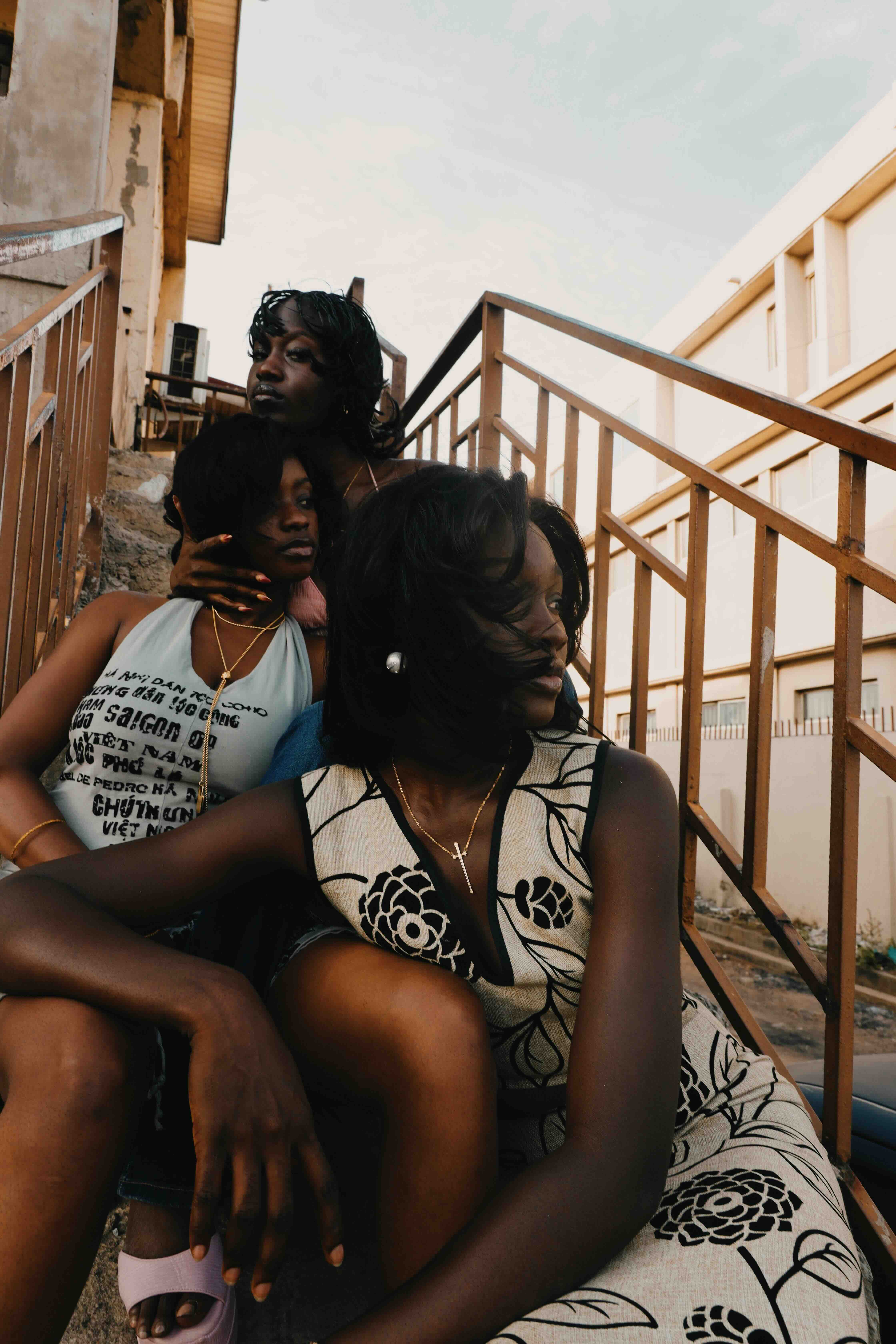
Crafting pieces with intention and cultural integrity takes time, and this deserves to be honoured. But it can, and has been argued that for those who carry mere fragments of the culture, this honour straddles a very thin line.
It’s no secret that Nigeria and all her exports have become an arbiter of what’s hot or not- from music to entertainment and now fashion, there is a deep fascination with what we produce.
This fascination however, can lean away from genuine interest and into inauthentic engagement, from both outsiders of the culture and even those who partake, but from a distance. Take for example, the trend of young people in the diaspora throwing fake Nigerian weddings- on the surface, it looked like a display of cultural pride, but look a little bit deeper and it could be argued that it was a costume party, held without understanding of the rites and customs at the heart of such an event.
So with the rise in popularity of Nigerian fashion brands, there is a fear that those who don’t have the full lived experience but sit somewhere between spectator and participant, can easily treat clothing like an aesthetic.
“I totally understand the critique”, Tolu says. “It’s fair when engagement lacks curiosity or respect, perhaps when someone desires the print but not the people, or the aesthetic but not the history”.
While there is a clear longing from the diaspora to deepen their roots, it must go beyond the surface; engagement must be rooted in sincerity, acknowledgement of difference, and a willingness to learn about one another. This is a matter of diasporic responsibility, Temi says.
“Clothes tell a story. Learn about the cultures behind the fabrics, but also invest in the growth and expansion of these designers.”
The Yoruba proverb says it plainly: aṣọ la ń kí, ki a tó kí ènìyàn. Clothes are greeted before the person wearing them. What you put on your body speaks before you do, and in the context of the diaspora's relationship with African fashion, what it speaks is complex: longing, pride, partial knowledge, and a genuine desire to close a distance that geography and time have made wider than most of us would like.
What is happening between continent and diaspora through fashion is not a trend. It is a negotiation, one that asks both sides to show up with sincerity, curiosity, and a willingness to hold the tension between connection and difference.
Giving those of us in the West access to African brands allows designers to grow and creates room for their stories to travel. In reverse, children of the diaspora have the opportunity to meaningfully engage with the culture and find connection. As Tess of Moda54 puts it, “if we can strengthen the relationship between the diaspora and the continent by building the infrastructure that makes it easier to discover, celebrate and support African brands, then we’ll have brought people closer together & I think we’ll have done something really worthwhile.”