Stay In This World
The stories, the culture, the conversations. Every week.
No spam. No third parties. Just Unruly.
On Aṣa, a self-taught guitar, and a music practice built on instinct before anyone was watching.
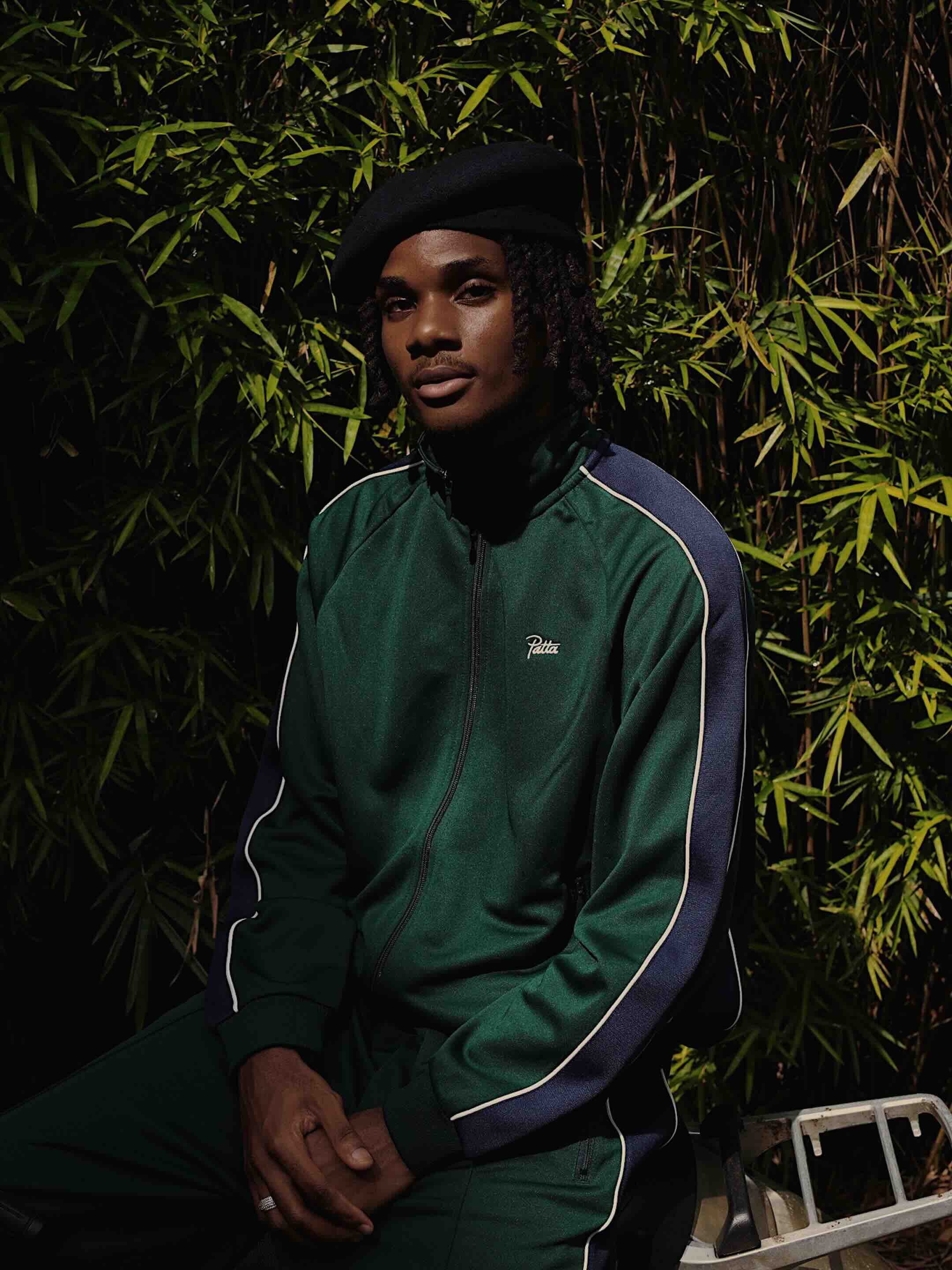
Taves is 23, and has already signed to To Your Ears Entertainment under Atlantic Music Group, been named Billboard's African Rookie of the Month, received Apple Music Africa Rising recognition, and earned a co-sign from Wizkid. ‘Popstar Side A’, his eight-track solo project with no features, arrived recently as the fullest picture yet of who he is as an artist. Eight tracks across love, pressure, faith, selfishness, and loss, written entirely from his own point of view, without a guest voice to share the weight.
When I spoke with him, the reception was still fresh. "People really love the music," he said. "And that's the most important part to me." It is a simple thing to say, but in the context of everything else happening around him, it is also a deliberate one. The music came first, and then everything else followed it.
The story starts on a road. Specifically, the long drive between Ibadan and Port Harcourt, a journey Taves made regularly with his father as a child. His father had continued living and working in Port Harcourt after the family settled in Ibadan, and those hours in the car became, without anyone planning it, a musical education. The artist his father played on those trips was Aṣa.
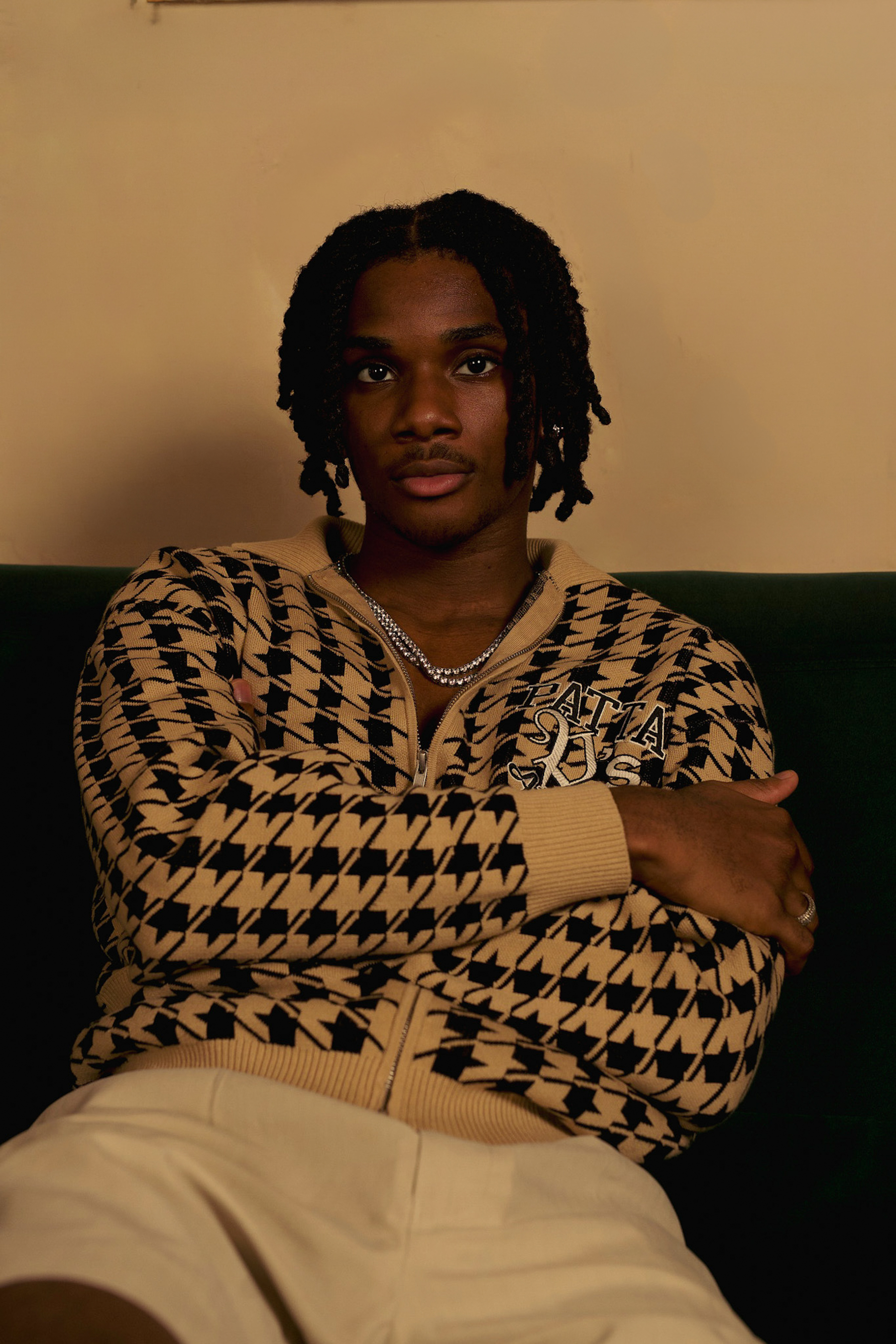
He can't fully explain what it was about her music at that age. "I just knew that it spoke to me in a different way," he says. The honest answer is that something opened up before he had the language to describe what was opening. What he could do was act on it. At nine years old, drawn to Aṣa's signature guitar, he taught himself to play. No formal training, no teacher, just the instrument and the instinct to figure it out.
That decision shaped more than his sound. Teaching himself guitar meant he never had to go far to find a melody. "I could just play them," he says. The songwriting came out of the same self-sufficiency, the same habit of reaching for something and working it out alone. Ed Sheeran and Khalid came later, adding to the instinct to look for deeper meaning in lyrics. But the foundation was built on those road trips and a guitar he learned by himself in Ibadan, before anyone had told him he could sing.
When Taves enrolled to study Computer Science at Pan Atlantic University, music was already running in parallel. The two things coexisted for a while, but not equally.
"One thing was always going to win over the other," he says, "and I always made sure it was music, even when it shouldn’t have been."
He doesn't frame this as a sacrifice or a bold decision. It reads more like an acknowledgment of something that was simply true about him, that the competition was never really close, and that the year in university clarified rather than created that truth. The environment helped. "I don't think I met any conventional Afrobeats artists," he told Billboard around the time of his Rookie of the Month recognition. "Everybody was on something different, whether it be R&B or pop or soul music." He was recording demos on his phone, absorbing a range of sounds, building something without knowing exactly what it would become.
What the year studying Computer Science gave him, more than anything, was confirmation. Confirmation that he was choosing music not because it was the easier path or the more immediately rewarding one, but because it was the only one that felt real. The discipline of aiming for a degree, the structure of it, the things he was supposed to be prioritizing, all of it pushed against what he was actually doing every day, and what he was actually doing every day won.
The moment that changed things was not planned. Taves recorded a cover of BNXN's "For Days," sat on it for months while the second semester of school got demanding, then eventually shot a video and put it out. The response surpassed anything he had anticipated. BNXN himself noticed, and a signing to To Your Ears Entertainment followed, with Atlantic Music Group behind it.
What came after that arrived quickly and kept coming. "Are You Listening?", his 2024 debut EP, established him as one of the more distinct new voices in Nigerian music. Apple Music named him an Africa Rising artist. Billboard named him African Rookie of the Month in March 2025. Then Wizkid, one of the most significant music and cultural figures to come out of Nigeria, became a fan of CWT, and later received an additional composer credit on Uche Jombo, a track from ‘Popstar Side A’ that incorporates elements from his song Don't Dull.
Taves speaks about the Wizkid moment with a specific kind of reverence that doesn't tip into performance. "I feel like Wizkid is one of the most important voices, and just people in general, to come out of Nigeria ever," he says. "It's never not going to be mind blowing." What he was most focused on, he says, was doing the record justice. The recognition was significant.
None of it, he says, has changed how he sees himself. He credits his friends and family, but beyond that, he simply doesn't feel substantially different from who he was at eighteen or nineteen. "I'm still me," he says. The external noise got louder, but the internal one has stayed the same.
Staying committed to his own sound in a market that rewards Afrobeats has never felt like a sacrifice to Taves. It has felt like the only honest option.
"I don't feel like trying to do anything that doesn't feel right or doesn't sit right with me would come out as good as if I just stayed true to myself," he says.
Trends change, sounds shift, what sells today is not what sold yesterday and will not be what sells tomorrow. His anchor is not the market. It is the feeling of doing something that is genuinely his.
“The Nigerian Weeknd” comparison has followed him since his profile began to rise. He receives it graciously, notes that the Weekend is "one of the most famous people in the world" and that being compared to someone so widely respected is never a bad thing, but quietly distances himself from the full weight of it. "I personally don't hear the similarities past maybe the instrumentals," he says. The comparison tells him that people recognize the quality of what he is making. It does not tell him what he is making, which is something he is still in the process of defining.
‘Popstar Side A’ is only half the statement. Side B is still to come, and with it another chapter of the same emotional landscape the first project mapped, love, ambition, faith, and the particular experience of being young and trying to figure out what you owe yourself and what you owe everyone else. Beyond that, he wants to connect more, with the people whose experiences feed the music and the people who take the music in. "People play a really, really important part in everything that I do," he says.
The story started on a long drive between Ibadan and Port Harcourt, a child in the back seat hearing something he couldn't explain. He's still following that feeling till this day.