Stay In This World
The stories, the culture, the conversations. Every week.
No spam. No third parties. Just Unruly.
From Kwaito to Afro House: How South African Music Became the Pulse of Global Rave Culture
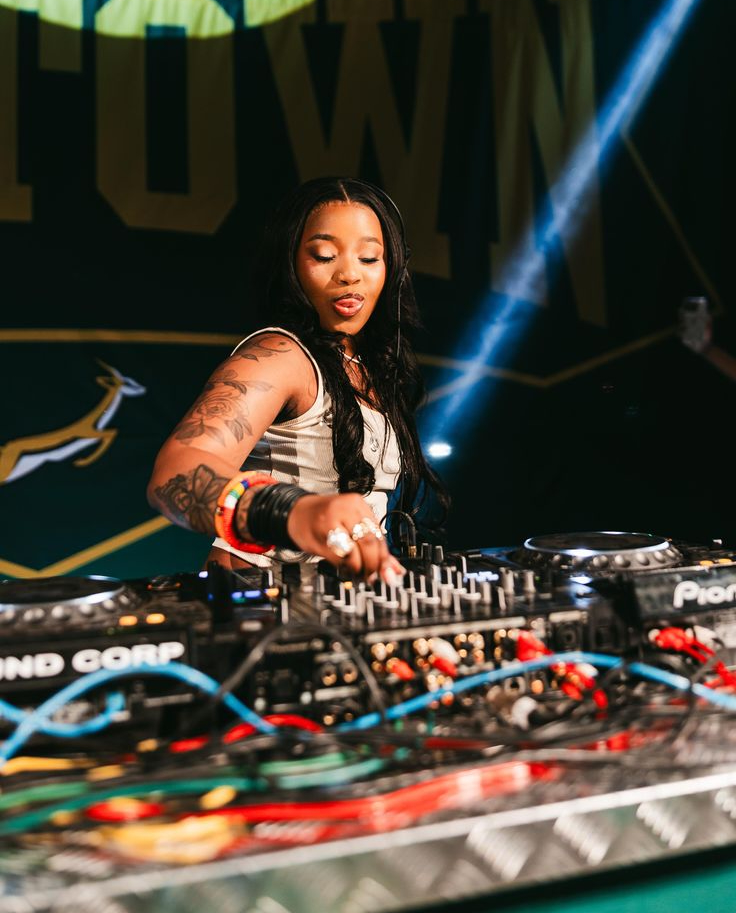
It's 2 AM at a rave in Lagos and the floor is packed. The DJ drops a track—percussive, minimal, bass rumbling so deep you feel it in your chest before you hear it. A voice chants in Zulu over the relentless rhythm: "abasekho!" The tempo is faster than amapiano, harder, more hypnotic. This is 3-step, or maybe Afro house, or one of the many subgenres emerging from South Africa's electronic underground. Most people here don't speak Zulu. They don't know what the lyrics mean. But they're moving anyway, locked into the groove, bodies responding to something that transcends language.
The same scene plays out in Nairobi, in Accra, in London, in Brooklyn. South African electronic music—sung primarily in Zulu, Xhosa, and Sotho—has become the sound that defines rave culture across Africa and increasingly, globally. A few years ago, it was amapiano dominating clubs. Now it's evolved: harder, deeper, more uncompromising sounds built for 3 AM crowds who want to disappear into rhythm rather than sing along to hooks.
This isn't just musical trend-hopping. It's the culmination of decades of South African sonic innovation that's been quietly shaping the continent's sound. While Afrobeats has dominated the global conversation about African music, South Africa has been building its own musical universe—one that's arguably more influential in shaping how Africans actually move on dance floors from Johannesburg to Lagos to Kampala. The question isn't just why people are dancing to music in languages they don't understand. It's how South African music became so central to African club and party/nightlife culture that it's now unavoidable, and what that tells us about how music travels, what it carries, and why some sounds become universal even when the words remain specific.
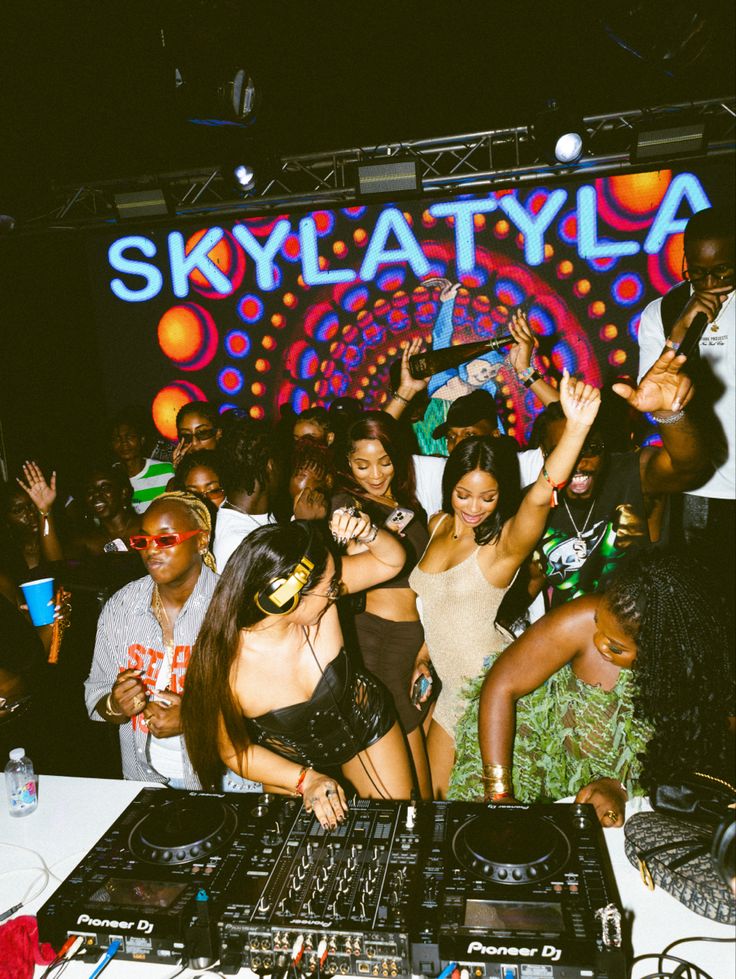
To understand amapiano, you have to start with kwaito. And to understand kwaito, you have to understand South Africa in the early 1990s—a country emerging from apartheid, trying to figure out what freedom sounds like.
Kwaito emerged in Johannesburg townships around 1994, the same year Nelson Mandela became president. It was slowed-down house music, heavy bass, lyrics in township slang mixing Zulu, Xhosa, Sotho, English, and Afrikaans. The sound drew from American house music but was deliberately slower, heavier, more vocal-driven. Where house featured diva vocals, kwaito was conversational, chant-like, documenting township life.
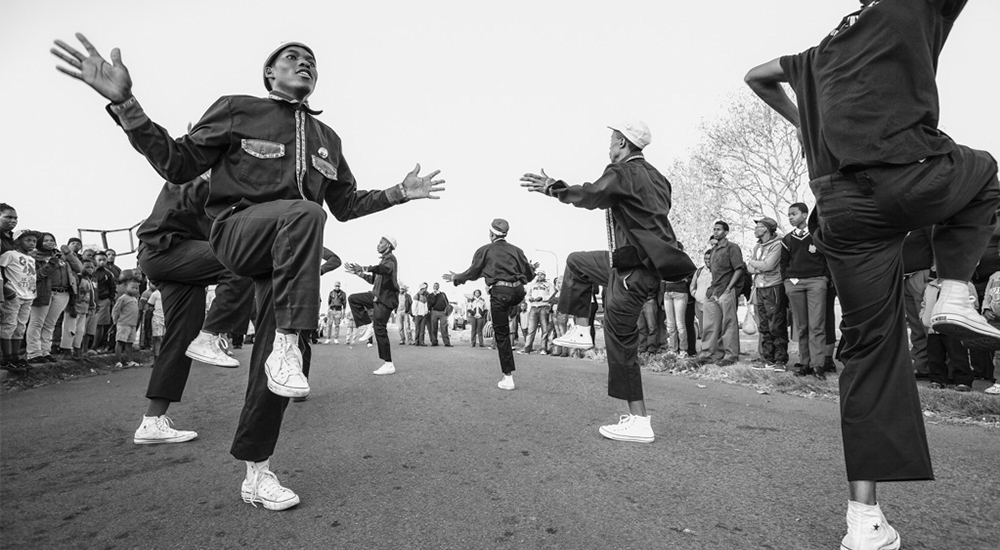
Artists like Arthur Mafokate, Mandoza (whose "Nkalakatha" became a post-apartheid anthem), and groups like Trompies defined the genre. Kwaito wasn't protest music—apartheid was over. It was the sound of young Black South Africans finally able to exist on their own terms, speaking their own languages, celebrating themselves without apology.
Kwaito established patterns that echo through South African music today: the centrality of bass, the importance of vernacular languages, the fusion of local and global influences into something distinctly South African. By the mid-2000s, kwaito's commercial dominance had waned, but its DNA was embedded in everything that followed.
While kwaito was Johannesburg's sound, Durban was developing something else. In the early 2010s, gqom emerged from Durban townships—darker, more minimal, more intense than anything before. The name comes from Zulu onomatopoeia for a drum hit.
Gqom was stripped-down: rumbling bass, stuttering percussion, sparse melodies, occasional vocal samples chopped into rhythmic elements. The genre was created by bedroom producers—young people using basic software, sharing beats via Bluetooth and WhatsApp, testing them at parties and taxi ranks. DJ Lag has described how the sound developed organically as producers competed to make the heaviest beats.
Gqom's breakthrough came around 2016-2017 when European electronic music audiences discovered it. UK labels began releasing compilations. Artists like Distruction Boyz, DJ Lag, and Rudeboyz became internationally recognized. Drake sampled gqom on "One Dance."
But gqom's most important influence was regional. The genre proved South African electronic music could be dark, minimal, and still move crowds. It established Durban as a distinct creative center with its own sound. And it reinforced that South African music could be sung in vernacular languages and still travel—the rhythm was the language.
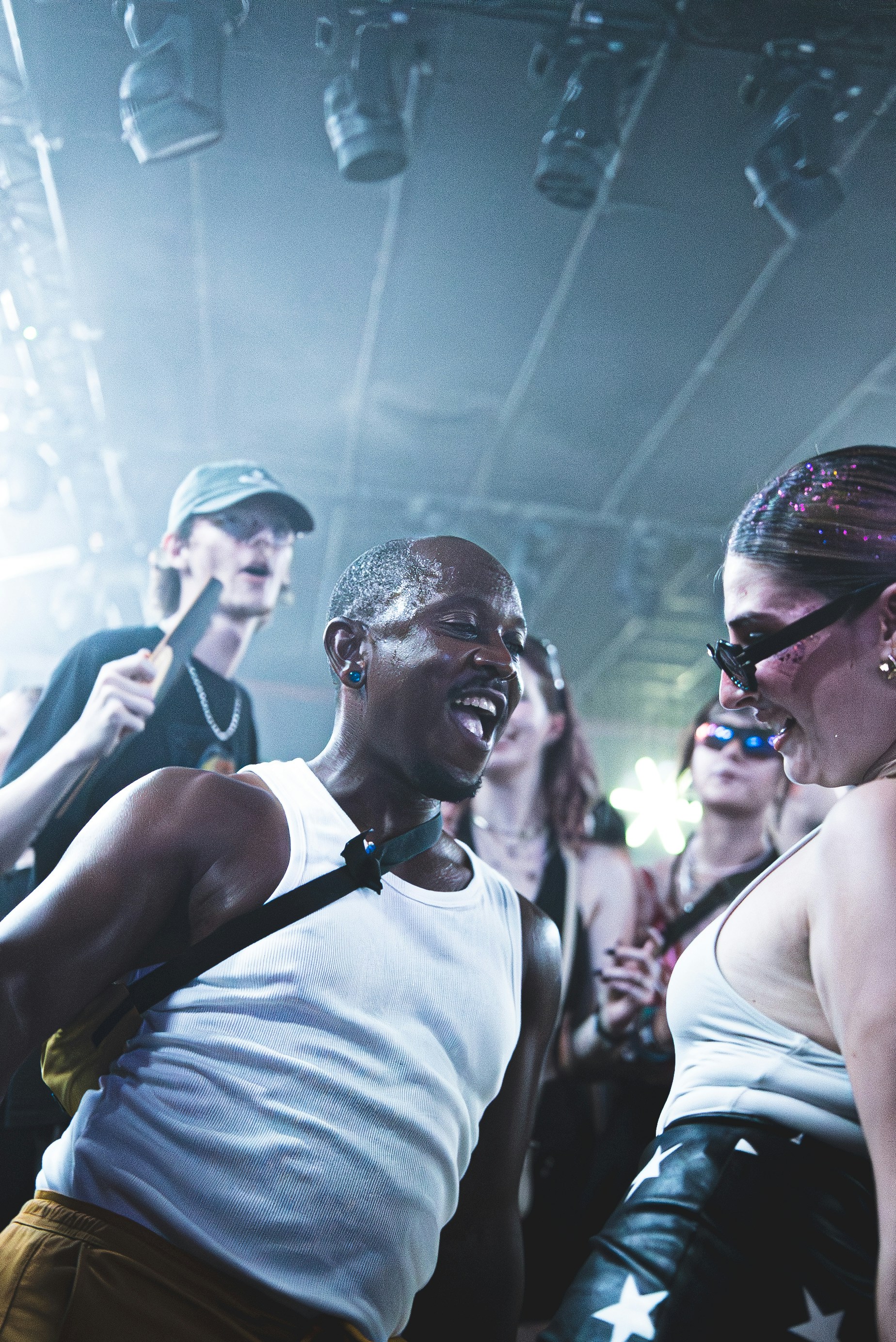
Around 2016-2017, as gqom peaked, another sound emerged from Pretoria and Johannesburg townships. Amapiano (meaning "the pianos" in Zulu) fused deep house, jazz, and kwaito into something entirely new.
The sound: log drum percussion, deep house basslines, jazz-influenced melodies, vocals ranging from soulful singing to conversational raps. What made amapiano different wasn't just the sound—it was the accessibility. Where gqom was dark and minimal, amapiano was warm and melodic. It worked in clubs and at family gatherings.
Pioneers like Kabza De Small, DJ Maphorisa, MFR Souls, and JazziDisciples built on everything South African electronic music had established while adding new elements. The jazz influence was crucial—many grew up on Hugh Masekela and Abdullah Ibrahim, and that sophistication showed. The log drum became signature, giving amapiano a distinctly African feel.
Lyrically, amapiano continued vernacular language dominance. Most tracks are in Zulu, with some Xhosa, Sotho, and Tsonga. Artists like Focalistic, Young Stunna, and Tyler ICU sing about township life, relationships, celebration—contemporary themes with kwaito's DNA.
The visual culture mattered too. Specific dances emerged—pouncing, vosho—inseparable from the music. Uncle Waffles, a Swazi DJ, epitomized the genre's aesthetic: stylish, confident, celebratory, distinctly African but globally fluent.
What happened next was unprecedented: amapiano didn't just spread—it replaced. By 2020-2021, it dominated South African clubs. But more significantly, it began displacing other genres across the continent.
In Nigeria, where Afrobeats had been king, amapiano became unavoidable. Nigerian artists incorporated amapiano elements. By 2022-2023, Lagos raves played almost as much amapiano as Afrobeats, if not more. The pattern repeated across East Africa. Kenyan, Tanzanian, and Ugandan artists began making amapiano.
This wasn't cultural imperialism. African club culture recognized a sound that worked better for dancing. Amapiano's tempo was perfect, the bass heavy enough for sound systems, the melodies sophisticated. Crucially, it felt African in ways some Afrobeats productions, increasingly incorporating American hip-hop, trap and UK drill, sometimes didn't.
South African DJs toured as headliners—Uncle Waffles in London, Kabza De Small in Dubai. Not just diaspora audiences, but genuinely mixed crowds. The genre became global while staying distinctly South African. The lyrics remained in Zulu. The aesthetic stayed rooted in township culture.
But something shifted around 2023-2024. Amapiano had achieved pan-African dominance and commercial viability. And in achieving that, it created space for a counter-movement. The sound defining rave culture now isn't melodic amapiano. It's harder, more minimal: Afro house, 3-step, evolved gqom.
This isn't rejection of amapiano—it's evolution. Amapiano proved South African music could travel globally and remain culturally specific. Now producers are pushing further: stripping away melody, speeding up slightly, making bass heavier, prioritizing trance-like repetition over hooks.
The result dominates raves from Lagos to London. Underground parties now play 3-step or Afro house more than mainstream amapiano. The music is percussive, relentless, designed for crowds who want to lose themselves in rhythm.
3-step emerged as amapiano's harder sibling. Artists like Thakzin, TNK MusiQ, and Djy Biza pushed the tempo down, stripped melodic elements, emphasized percussion. The log drum remains but more aggressive. Vocals are minimal—chants or repeated phrases. The vibe is 3 AM warehouse, not day party.
What makes 3-step significant is what it represents. Amapiano became commercial, accessible, played on radio. 3-step reclaimed the underground. It's music for dancing, not performing. It's basements and warehouses, not TikTok.
Afro house simultaneously experienced renaissance. The term is broad—various fusions of house with African rhythms—but the current wave is distinctly influenced by South African production. Black Coffee pioneered sophisticated, jazzy Afro house in the 2000s-2010s, but contemporary Afro house is rawer, more percussive, more connected to gqom and kwaito.
Producers like Kelvin Momo developed "private school amapiano"—slower, atmospheric, textured. But alongside that, there's a harder strain: tracks around 120-125 BPM, heavy on African percussion, minimal melody, designed for hypnotic 7-10 minute grooves.
This Afro house has become the de facto sound of African rave culture. In Nigeria, the rave scene is now almost entirely Afro house and 3-step. Promoters book South African DJs for these soulful sounds. Crowds aren't looking for sing-alongs—they're there to dance for hours.
Gqom resurged too. It never left Durban, but it's experiencing renewed interest as raves shift toward harder sounds. Gqom's dark minimalism, its emphasis on rhythm over melody—these qualities now feel prescient. New gqom from artists like Mörda sounds even more stripped down, designed for modern club systems.
Why the shift? Amapiano's commercial success was both triumph and limitation. As it went mainstream—radio, advertisements, pop artists—it became more accessible, polished, predictable. The underground always responds by going harder. That's what happened.
But there's musical logic too. Amapiano's melodic sound is perfect for daytime parties and social gatherings. But rave culture needs music that works at 3 AM, sustains energy over long sets, creates hypnotic states. Afro house and 3-step serve that better.
Language remains crucial. These harder sounds are still predominantly Zulu, Xhosa, Sotho. If anything, linguistic specificity has intensified—fewer English phrases, less concession to international audiences. Vocals are often chants: "Sgija!" "Woza!" "Moya!" These aren't meant to be understood semantically—they're rhythmic elements, calls to movement.
This creates an interesting dynamic: the music becomes more international while becoming more linguistically specific. Ravers globally dance to harder South African music sung entirely in Zulu, and that specificity is part of the appeal. It signals authenticity, connection to something real rather than manufactured.
What's remarkable is how quickly this traveled. Within months of 3-step and Afro house gaining traction in South Africa, it dominated Lagos, Accra and other major African cities. Nigerian DJs who played Afrobeats or amapiano now dedicate sets to South African Afro house. The infrastructure of African rave culture has aligned around South African aesthetics.
Why is the world dancing to music in Zulu?
The simplest answer: language isn't always the point. When people dance, they respond to rhythm, melody, energy, feeling. Afro house and 3-step provide all of that. The percussion is hypnotic. The basslines are physical. You don't need to understand "Woza" to feel what the song asks your body to do.
But there's a deeper answer: this music travels because it's culturally specific, not despite it. The Zulu, Xhosa, and Sotho lyrics aren't obstacles—they're the appeal. They signal authenticity, rootedness, connection to something real rather than manufactured for global consumption. In an era of algorithmic playlists, this music sounds like it comes from somewhere, means something to someone specific, carries cultural memory.
The languages also function rhythmically. Zulu is tonal with click consonants—it has sonic texture that works musically even without semantic understanding. Phrases like "konakele mpintshi konakele" or "Vuka" become hooks because of how they sound, how they sit in the rhythm, how they feel to say along with.
Streaming made language barriers less relevant. A teenager in London discovers Afro house the same way they find Brazilian funk or Korean pop—through algorithms, TikTok, DJ mixes. They don't need radio gatekeepers deciding whether music in Zulu is "accessible enough." They just press play.
What they find is music that works better for certain contexts than alternatives. For clubs, dancing, parties—South African music often works better than what's being produced elsewhere. It's been refined for years specifically for making people move, keeping energy high, creating communal experience through rhythm.
South African music is still evolving. Subgenres continue emerging. But the core remains: South African electronic music, sung in South African languages, built on foundations laid by kwaito and gqom, designed for dancing, now traveling globally.
This moment represents a shift in how African music moves through the world. For decades, the model was: African music gets repackaged for Western audiences, language minimized, production smoothed, cultural specificity reduced for "accessibility." Afro house and 3-step reject that entirely. They travel as themselves, in their own languages, on their own terms, and they succeed because of their specificity.
South African music has always been influential—from Miriam Makeba to Hugh Masekela to Black Coffee. But what's happening now is different. This isn't individual artists achieving international success. This is South African musical culture reshaping African rave culture entirely, establishing new sonic standards, creating the rhythms that define how the continent moves.
When people dance to music in Zulu in New York, Amsterdam, Toronto, they're participating in something that started in Soweto and Umlazi and Pretoria townships—a musical lineage stretching from kwaito's post-apartheid celebration, through gqom's dark intensity, into amapiano's melodic sophistication, now into Afro house's hypnotic depth. They're dancing to sounds that refused to translate themselves, that insisted on their own language, their own aesthetic, their own cultural logic.
The world is dancing to music in Zulu because the music is that good, and because it never asked permission to be.