
Stay In This World
The stories, the culture, the conversations. Every week.
No spam. No third parties. Just Unruly.
On what happens when belief becomes the only language through which we read our culture.
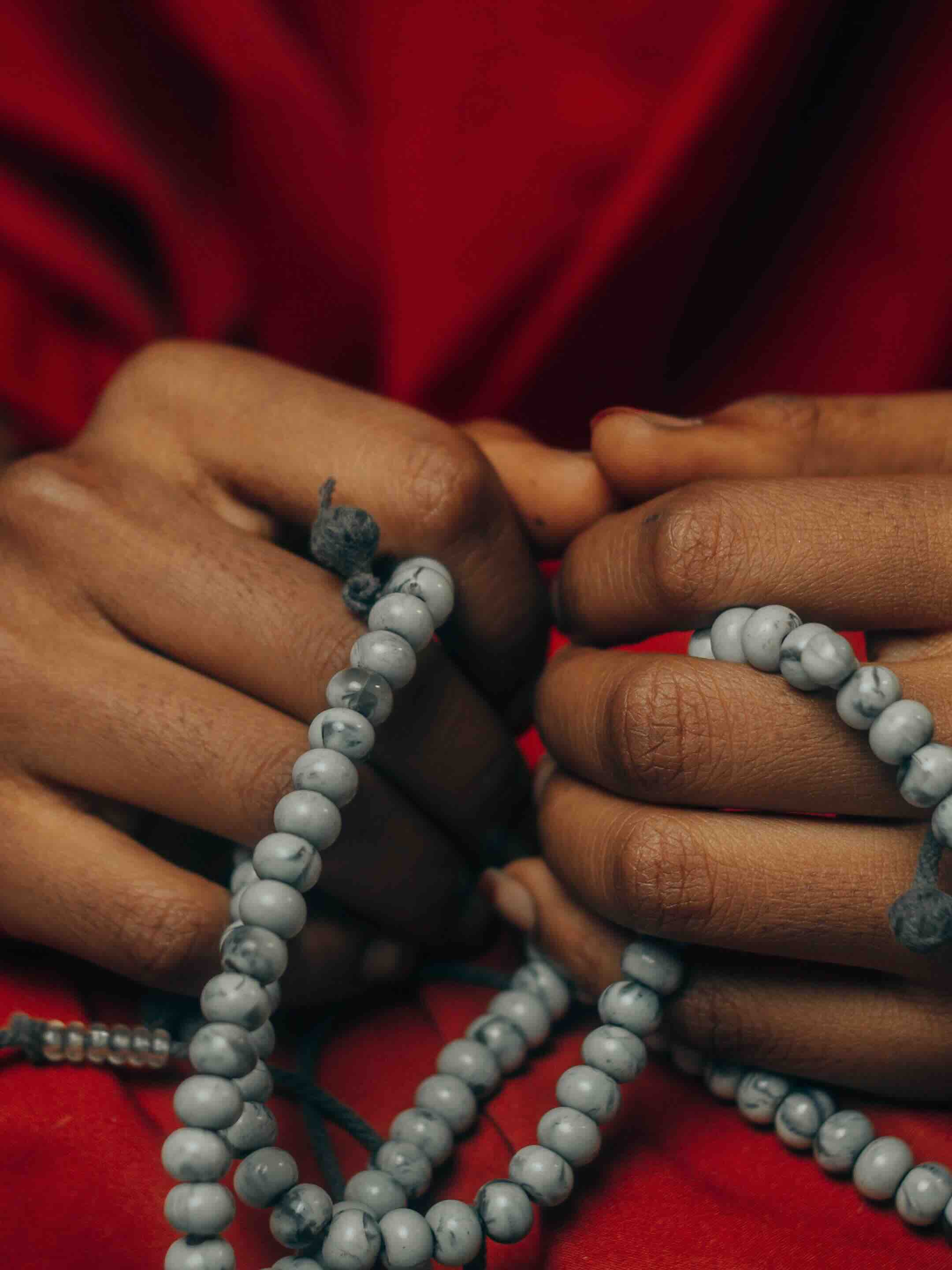
At a community gathering last year, the Olórí Ẹbí, the family head, brought out a kola nut. Before the nut was broken, prayers and traditional words were spoken. I watched as the words accompanied the object, trying to make sense of what was taking place. My mind went immediately to the spiritual. I wondered what was being invoked, what the breaking of the nut represented and whether I was witnessing a religious observance.
I had seen the kola nut before. I knew it as obi, an object familiar within Yoruba social and cultural life. Yet, watching it being presented in that moment, I found myself interpreting it through a particular understanding of tradition, one shaped by my religious consciousness as a Muslim. I was not entirely wrong to recognise its spiritual associations. What I had not considered was that there might be more to the moment than the meaning I had immediately assigned to it.
It took some reflection for me to recognise what I had overlooked: the gathering itself, the people assembled, the gesture of presenting something to those present and the relationships that such an offering could establish. The kola nut was not only an object being used in a ceremonial act. It belonged to a wider language of hospitality, respect and communal belonging.
I have often wondered how much of our understanding of culture is shaped by the things we have been taught to believe. Sometimes, the beliefs we inherit become the very things through which we interpret everything else. We encounter an unfamiliar gesture, an object or a ceremony, and before asking what it means, we have already decided where it belongs. My encounter with the kola nut made me reconsider how easily this happens, particularly when religious identity becomes the first language through which we understand the cultural practices around us.
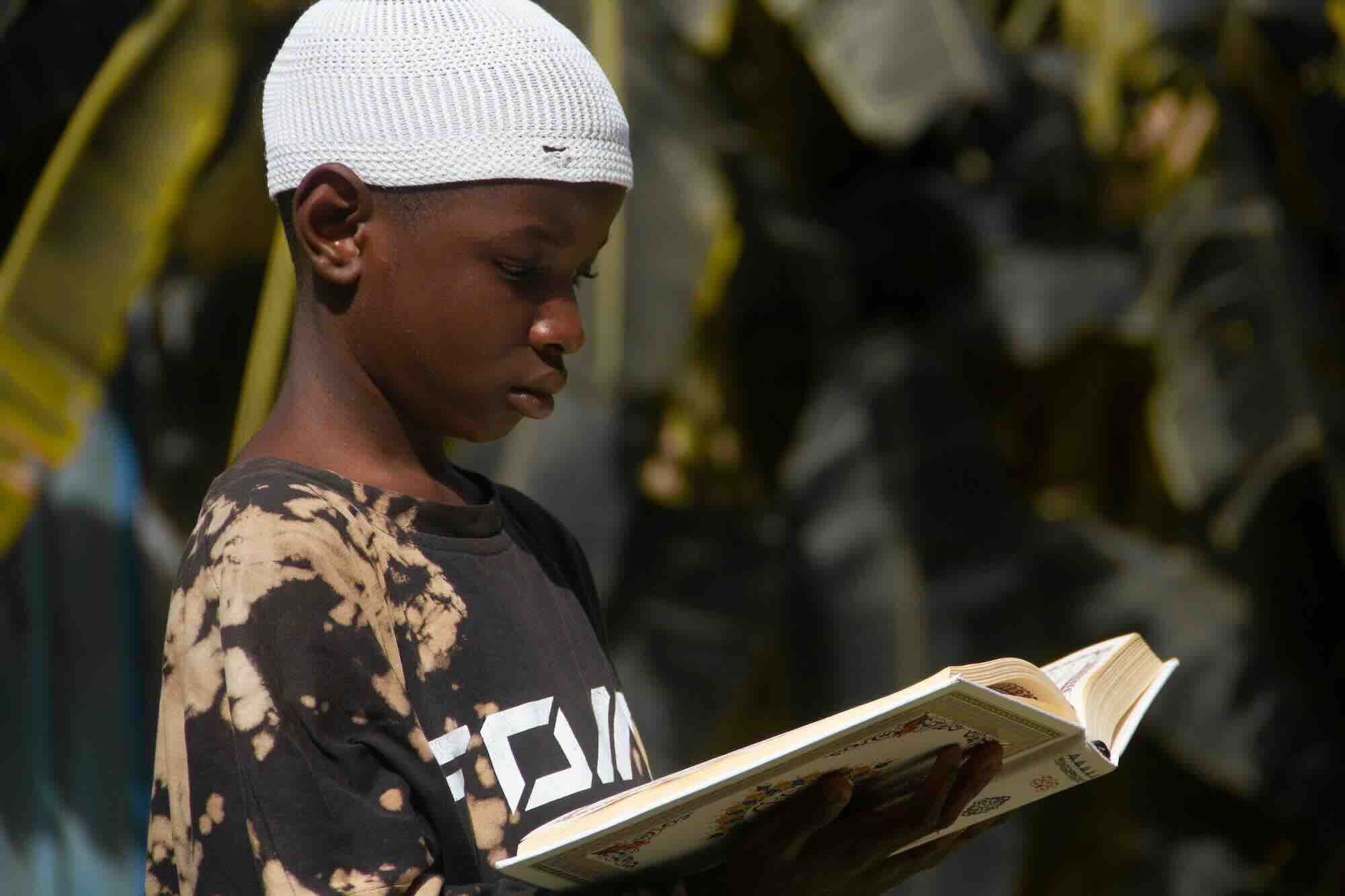
I am Yoruba, Muslim and a cultural researcher. These identities shape how I encounter the traditions around me, sometimes in agreement and sometimes in ways that require me to pause and reconsider what I think I know. My interest in Yoruba culture draws me towards the histories, symbols and everyday practices through which people preserve collective memory. Yet my religious convictions also influence how I relate to some of those practices. There are moments when I find myself looking at the same cultural expression through two different positions, trying to understand where one ends and the other begins.
The difficulty, I have realised, is not necessarily that they contradict each other, but that I sometimes approach cultural practices with assumptions that leave little room for their more complicated meanings.
The kola nut is one such object. In Yoruba, obi is familiar enough to appear ordinary, yet its presence in social life carries a significance that extends beyond its physical form. It is presented during gatherings, offered to visitors and shared among people. It can accompany important family occasions and serve as a gesture of welcome and respect. In other settings, it occupies a ceremonial and spiritual position, presented alongside prayers and traditional invocations. It is an object through which people communicate, remember, bless and establish relationships.
In many Yoruba social settings, offering obi to a guest is an expression of hospitality. It communicates welcome, goodwill and recognition. To offer something to another person is to acknowledge their presence; to share it is to establish a small relationship between those gathered. The gesture may appear simple, but it carries an understanding of community in which receiving someone is more than allowing them into a physical space. It is about making room for them.
There is something deeply human about this exchange. Before conversations become familiar, before people establish their positions in a gathering, an object is offered and received. It becomes a way of saying: you are welcome here; you are recognised; you are part of this moment.
Yet, the kola nut is not simply a symbol of hospitality detached from spirituality. Its presentation and breaking can also form part of Yoruba traditional religious practices, where prayers and invocations give the act particular significance. These meanings should not be dismissed or reduced to make the practice more comfortable for those who approach it from a different religious position. What interests me is that the social and spiritual dimensions can exist within the life of the same object. The presence of one does not automatically erase the other.
The same can be observed in the objects exchanged during Yoruba traditional marriage ceremonies. Honey, salt, yam and other items appear on engagement lists, each carrying meanings associated with the life the couple is expected to build. Honey may represent sweetness in marriage; salt can signify flavour and fulfilment, yam evokes sustenance and provision. These objects are not simply groceries assembled for a ceremony. They become material expressions of hopes, expectations and family values. They may also accompany prayers and blessings, but their social meanings remain significant. They communicate what families wish for the couple and what marriage represents beyond the union of two individuals.
Even the calabash, igbá, deserves attention. As a familiar vessel used in everyday domestic and communal life, it can hold, serve and carry things between people. Its significance does not always depend on ceremonial or spiritual use. Sometimes, its cultural life is found in the ordinary acts of preparing, serving and sharing that sustain a household or gathering. It reminds me that material culture is not only found in objects displayed in museums or preserved as heritage. It is also present in the things people handle every day, often without considering them remarkable. They reveal a cultural vocabulary that is not always spoken but can be seen, touched, worn, offered and exchanged.
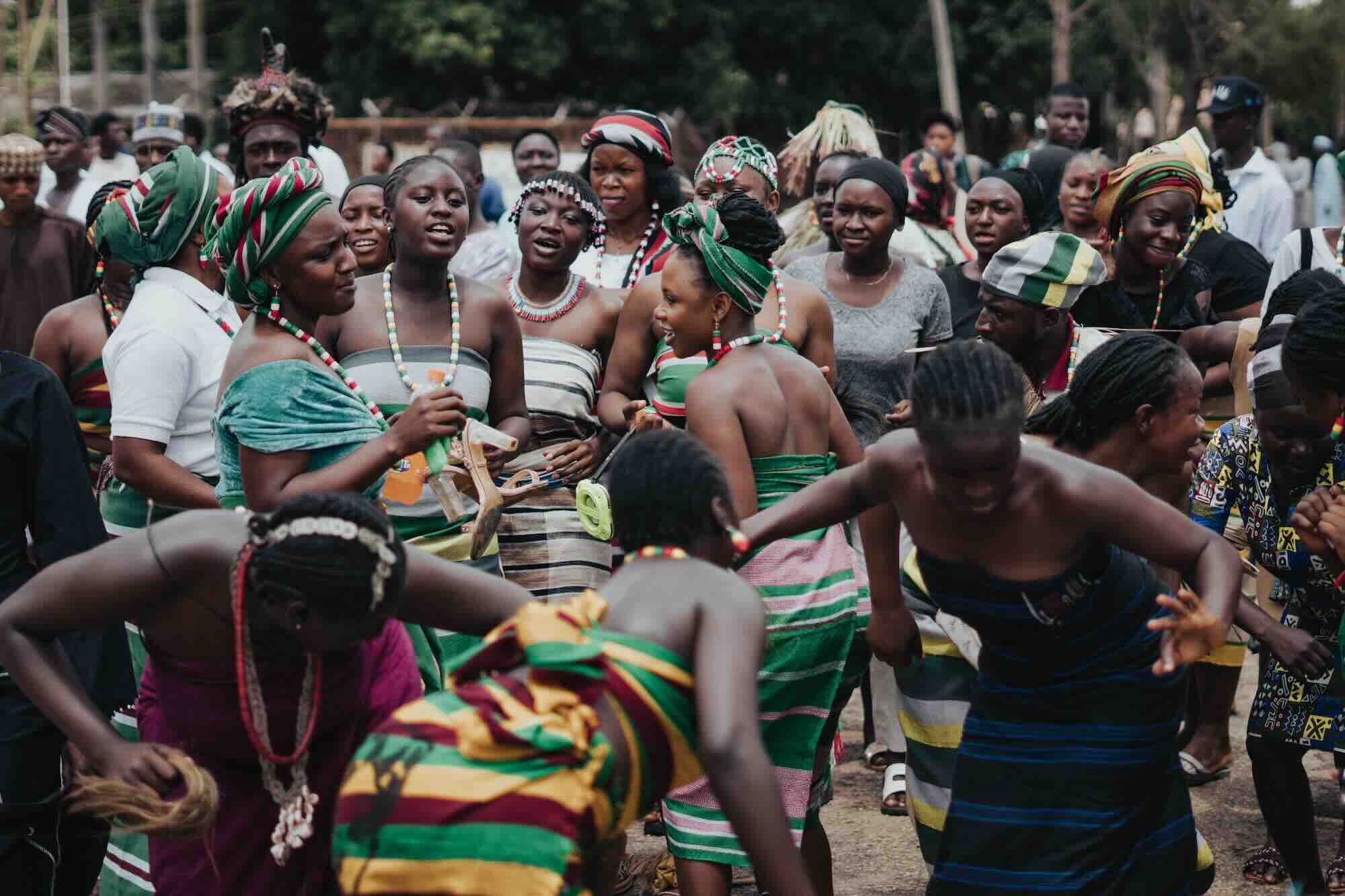
I began to think about how often we struggle with this complexity when discussing Yoruba culture, particularly in contemporary Nigeria, where religious identity plays such an important role in how people understand themselves and relate to inherited traditions.
For many Yoruba Muslims and Christians, cultural practices can become difficult questions of religious acceptability. A family gathering, a traditional ceremony or even an ordinary social gesture may require someone to consider whether participating would conflict with their personal convictions. I understand this tension. As a Muslim, there are aspects of traditional religious practice that I may choose not to participate in because they do not align with my faith. But I have also become increasingly conscious of the difference between choosing not to practise something and refusing to understand it.
My religious convictions do not have to prevent me from learning about the cultural histories of the people to whom I belong. Equally, my interest in understanding and preserving Yoruba traditions does not require me to participate in every practice I encounter. There is a difference between recognising the spiritual significance of an object, participating in a religious observance and understanding the social history that has made the object meaningful to a community.
Culture is not a fixed collection of practices waiting to be accepted or rejected. It is a living body of knowledge, continually interpreted by the people who inherit it. Religious convictions, education, migration and changing social values all influence how traditions are practised and understood. What one generation accepts without hesitation may become a subject of debate for another.
But I worry about what is lost when our engagement with inherited traditions becomes limited to deciding whether they are acceptable or unacceptable. Before we can make informed decisions about what we practise, we should have the opportunity to understand what we are accepting or declining. Otherwise, we risk inheriting the objects and gestures of a culture while losing the knowledge that gives them meaning.
I return to the kola nut because it has made me think more carefully about this responsibility. Its place in Yoruba life cannot be defined by a single function. It can be food, a social offering, a ceremonial object or part of a spiritual observance. In Objects and Immortals: The Life of Obi in Ifa-Oriṣa Religion, Funlayo Easter Wood examines the multiple roles of obi within Yoruba cultural and religious contexts. Her research offers an important reminder that the object participates in relationships between people and spiritual beings, while also occupying spaces of everyday social life. Its meanings are not confined to one category.
Perhaps our difficulty lies in the categories we use to understand the world. We are often more comfortable placing things into separate compartments culture here, religion there, the sacred on one side and the ordinary on the other. Yet lived experience rarely respects these divisions so neatly. A practice can be cultural and spiritual; a gesture can communicate both reverence and hospitality. Its meaning may depend on who performs it, the intention behind it and the circumstances in which it takes place.
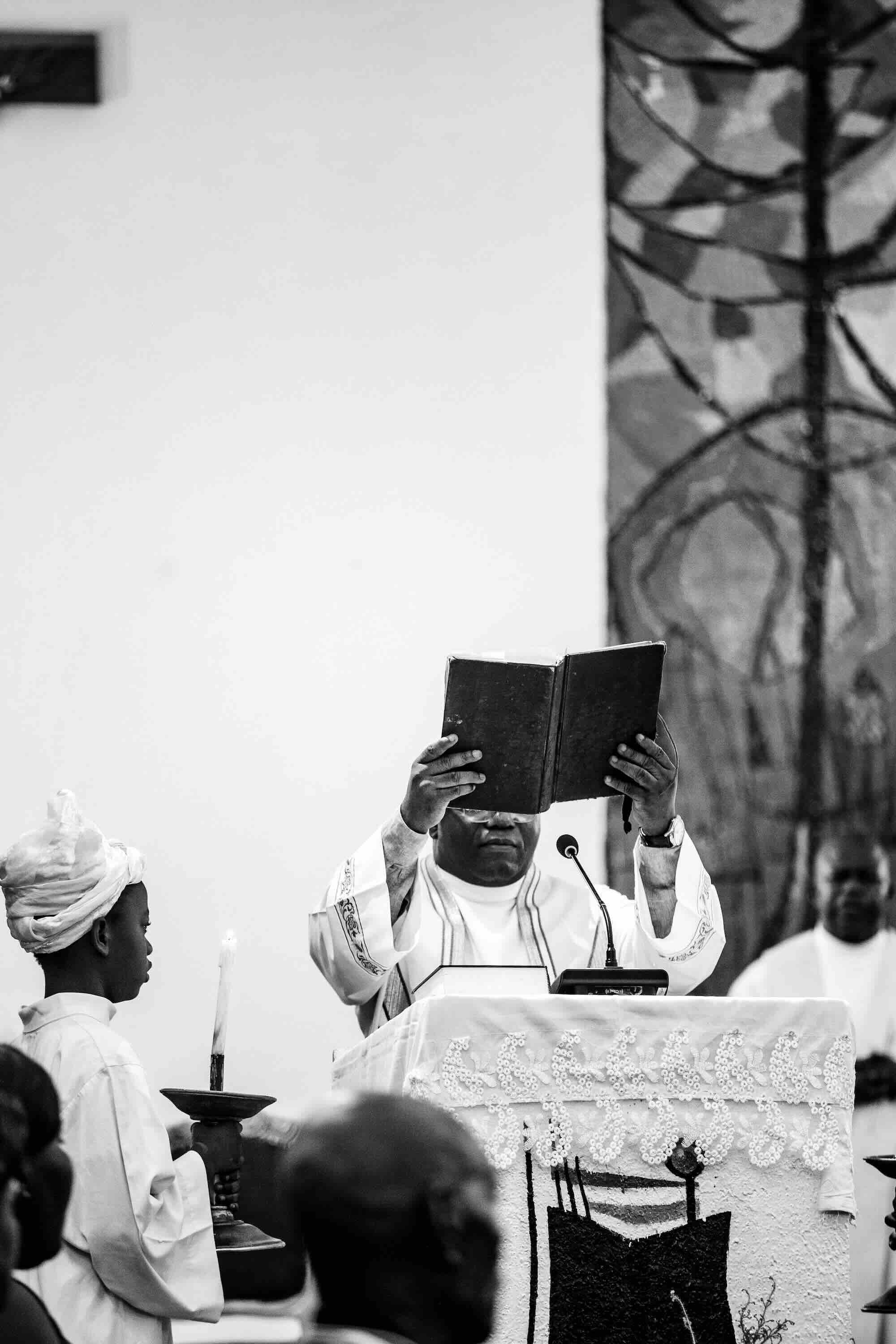
I remember the prayers and traditional words that preceded the breaking of the kola nut and how quickly my mind had settled on a spiritual interpretation. What I had initially understood through one framework gradually opened into another way of thinking. I began to recognise the social relationships contained in the gesture, the hospitality it could communicate and the sense of communal recognition that surrounded it.
The encounter did not ask me to reconsider my faith. It asked me to reconsider how much I was willing to understand.
Maybe this is what belonging to a culture requires of us, particularly when our identities are shaped by different histories and convictions. It asks that we remain curious about the things we inherit, even when we do not practise them in the same ways as those who came before us. It asks that we make a distinction between what we believe, what we choose to participate in and what we owe ourselves the responsibility of understanding.
I think about the kola nut now as more than an object brought out at a gathering. It carries the memory of relationships, the gestures through which people welcome one another and the traditions that allow a community to recognise itself. Its spiritual significance remains part of its history, just as its social significance remains part of its everyday life.
That day, I had been so concerned with what the kola nut might mean spiritually that I almost overlooked what it could mean between the people gathered around it.
The things we inherit are asking us to look more closely before we decide what they mean. And sometimes, the first step towards understanding a culture is learning to recognise the many ways it speaks.